Maya Bay Phi Phi Islands Scuba Diving Best Day Trip

Phi Phi National Park Fees

Written By
Darren Gaspari
Owner, CEO & PADI Course Director

Send us an Enquiry

National Park Fees for Scuba Diving at the Phi Phi Islands

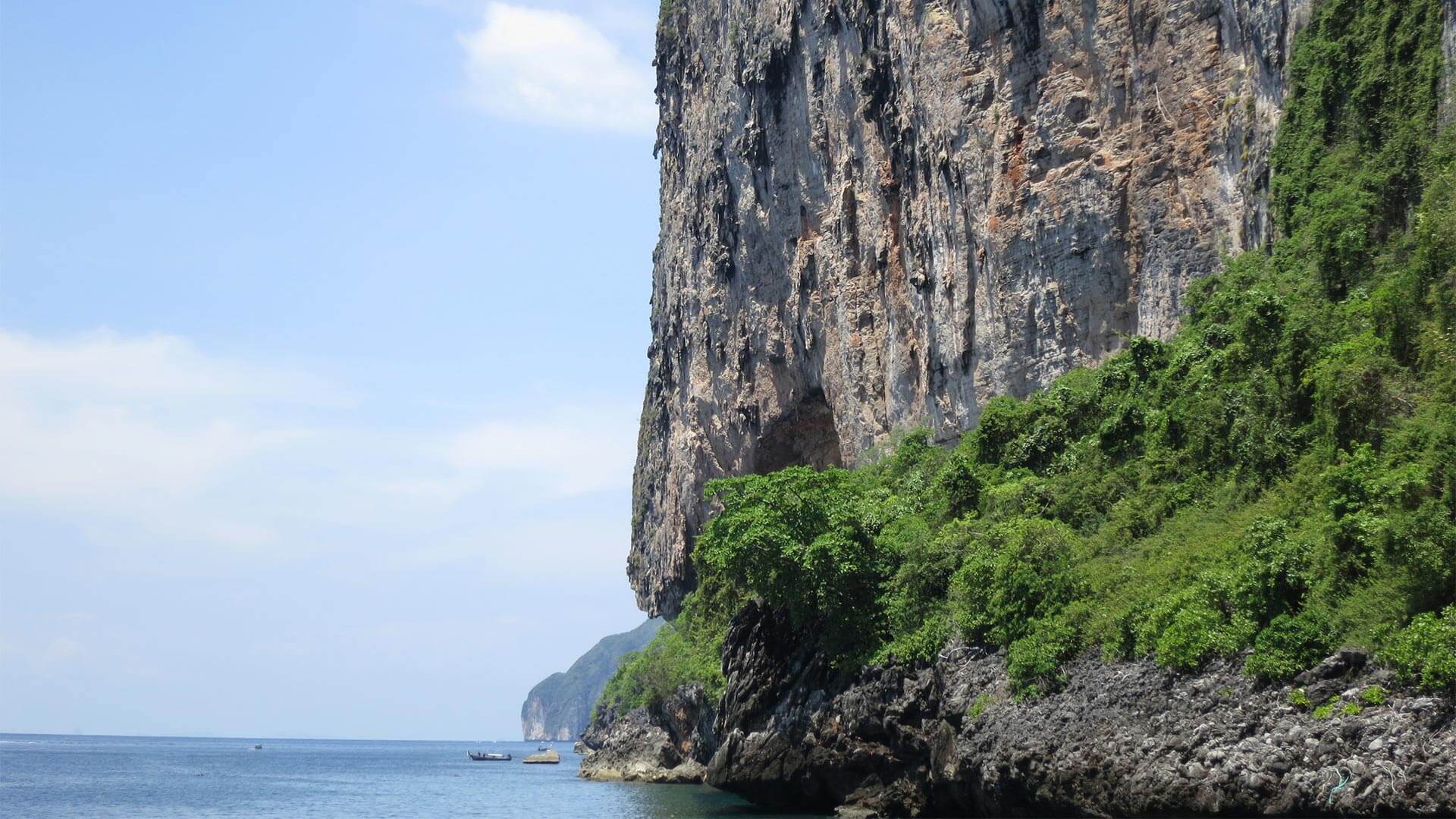
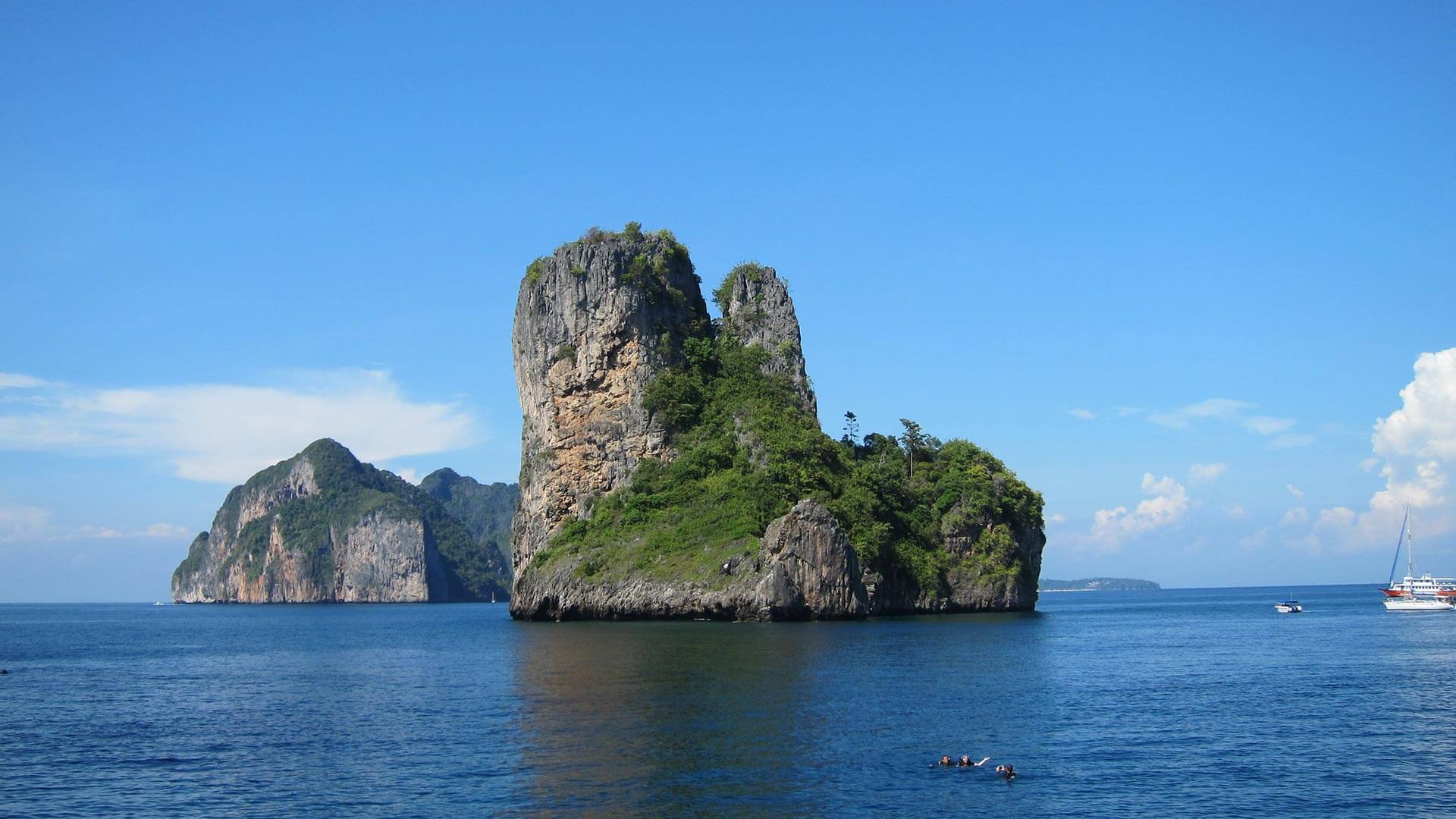
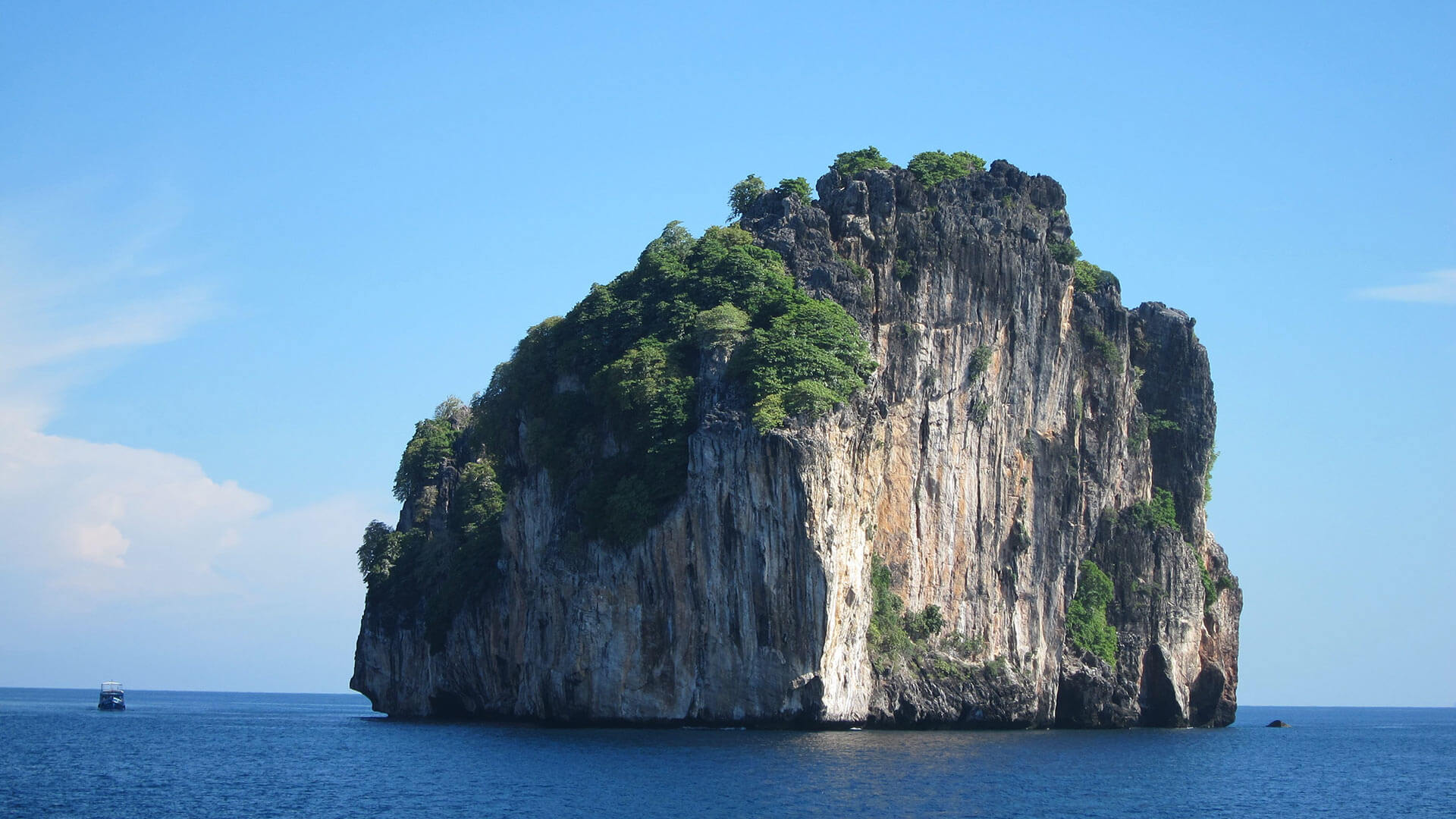
The Phi Phi Islands are part of one of Thailand’s most famous marine national parks and remain one of the most popular scuba diving destinations in Phuket. With dramatic limestone cliffs, vibrant coral reefs, and abundant marine life, the area attracts divers and snorkellers from around the world every year.

To help protect these fragile marine ecosystems, Thailand’s Department of National Parks introduced marine park entrance fees for visitors entering the Phi Phi National Marine Park area.

These fees apply to both scuba divers and non-divers visiting the islands and surrounding marine park zones.

Palong Wall North Phi Phi Ley Black Tip Reef Shark Day Trip Scuba Diving

Why Are National Park Fees Charged?

Thailand’s national park fees help fund the ongoing protection and management of some of the country’s most important natural environments.

This includes support for:

  • Marine conservation projects
  • National park staff and rangers
  • Environmental protection programs
  • Reef and marine ecosystem management
  • Visitor facilities and infrastructure
  • Marine patrols and monitoring
  • Conservation and recovery initiatives

The fees collected at destinations like Phi Phi, the Similan Islands, and Surin National Park are distributed across Thailand’s wider national park system to help protect both marine and land-based ecosystems throughout the country.

While nobody enjoys extra costs during their holiday, these fees play an important role in helping preserve Thailand’s reefs, beaches, marine life, and national parks for future generations.

Current Phi Phi National Park Fees

The current national park fees for foreigners visiting the Phi Phi Islands marine park area are:

  • THB 600 per scuba diver
  • THB 400 per non-diver or snorkeller

These fees are set by the Thai National Parks Department and may occasionally change without notice.

The scuba diving fee is typically divided into:

  • THB 400 Marine National Park entrance fee
  • THB 200 scuba diving activity fee

Thailand’s National Parks use a dual-pricing system similar to many countries around the world, with reduced entrance fees for Thai nationals and higher tourism-related conservation fees for foreign visitors.

  • Thai Nationals – THB 40 Marine National Park entrance fee
  • THB 200 scuba diving activity fee

How Are the Fees Collected?

One question we regularly receive is how the Phi Phi National Park fees are collected during scuba diving trips.

In most cases, park rangers collect the fees directly from dive boats on the day of travel.

Because dive boats are usually stationary while divers are underwater, park officials often board the vessel during dive intervals or while groups are diving. This process allows the rangers to safely and efficiently collect the fees from multiple boats operating within the marine park area.

For this reason, dive operators generally collect the park fees from guests during the morning check-in or while travelling to Phi Phi.

The boat staff then handle the payment process directly with the park rangers when they arrive alongside the vessel. Once the fees have been collected, divers should receive official national park tickets or receipts stamped with the current date.

Phi Phi National Park Entrance ticket
Thailand National Park Entrance ticket

Official National Park Tickets

When the fees are paid, official national park tickets are issued by the park rangers.

Typically, scuba divers receive two tickets:

  • One THB 400 national park entry ticket
  • One THB 200 scuba diving activity ticket

These tickets may be distributed during the day or after returning to Phuket depending on the dive operation and timing of collection.

If you would like your tickets, simply ask your dive staff or tour leader during the day.

Supporting Marine Conservation in Thailand

The introduction of marine park fees has also supported several positive environmental initiatives throughout Thailand over recent years.

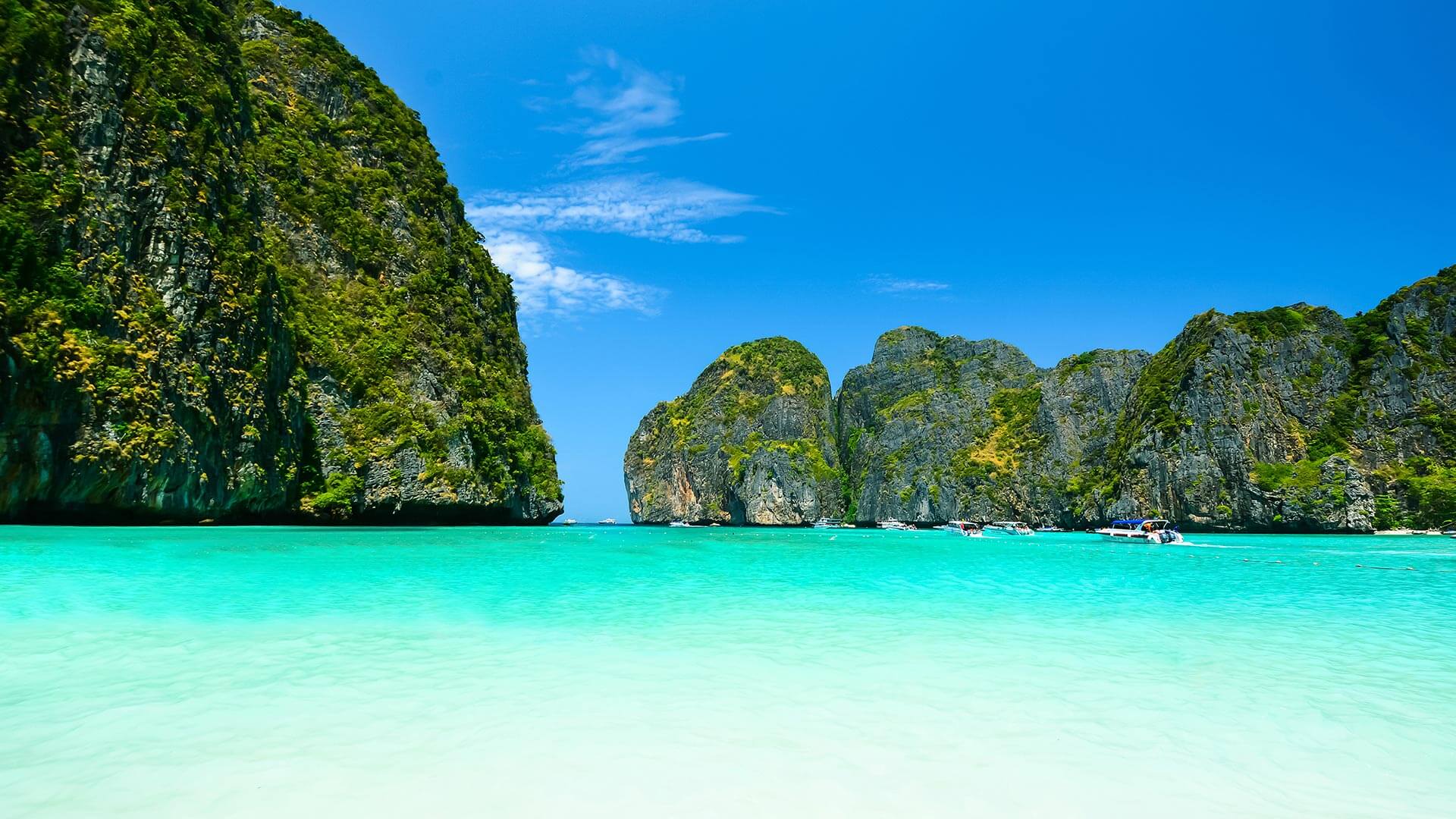
One of the most well-known examples is Maya Bay at Phi Phi Leh.

After years of environmental pressure from tourism, authorities temporarily closed Maya Bay to boats and swimming to allow the ecosystem to recover. Since then, marine life has returned in significant numbers, including the highly publicised return of Blacktip Reef Sharks using the shallow bay as a nursery area.

This recovery has become a positive example of how conservation efforts, environmental management, and controlled tourism can help marine ecosystems regenerate.

Thailand has also increased efforts around:

  • Coral reef protection
  • Marine conservation zones
  • Reef rehabilitation projects
  • National park enforcement
  • Sustainable tourism management

While challenges still exist, the national park system continues to play an important role in protecting many of Thailand’s most valuable marine environments.

Diving the Phi Phi Islands

The Phi Phi Islands continue to offer some of the best local diving accessible from Phuket.

Popular dive sites include:

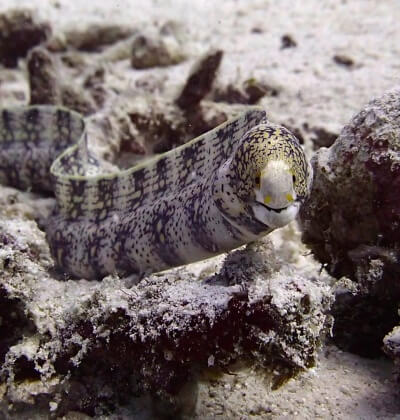
Divers regularly encounter:

  • Blacktip Reef Sharks
  • Leopard Sharks
  • Turtles
  • Barracuda
  • Cuttlefish
  • Octopus
  • Large schools of tropical reef fish

The area also features beautiful limestone walls, colourful soft corals, and excellent underwater visibility during much of the year.

Final Thoughts

The Phi Phi National Park fees are now a normal part of diving and tourism operations in the region.

Although the collection process may sometimes feel unusual to first-time visitors, the fees are official government charges collected by national park authorities to support environmental protection and marine conservation efforts throughout Thailand.

Most importantly, these contributions help support the long-term protection of destinations like Phi Phi, Maya Bay, the Similan Islands, and many other incredible natural areas that divers and travellers come to Thailand to experience.

Send us an Enquiry

Dates for Aussie Divers Phuket IDC and PADI IE

Here is a list of the Aussie Divers Phuket PADI IDCs dates for 2026, including the PADI IE dates for Phuket.

Month
Early Preparation
IDC Course
PADI IE Phuket
Specialty Dates
January ’26
1st – 4th
5th – 16th
17th – 18th
19th – 23rd
February ’26
28th Jan – 1st Feb
2nd – 13th
14th – 15th
16th – 20th
March ’26
25th Feb – 1st Mar
2nd – 13th
14th – 15th
16th – 20th
April ’26
1st – 5th
6th – 17th
18th – 19th
20th – 24th
May ’26
29th Apr – 3rd May
4th – 15th
16th – 17th
18th – 22nd
June ’26
3rd – 7th
8th – 19th
20th – 21st
22nd – 26th
July ’26
1st – 5th
6th – 17th
18th – 19th
20st – 24th
August ’26
29th Jul – 2nd Aug
3rd – 14th
15th – 16th
17th – 21st
September ’26
2nd – 6th
7th – 18th
19th – 20th
21st – 25th
October ’26
30th Sept – 4th Oct
5th – 16th
17th – 18th
19th- 23rd
November ’26
4th – 8th
9th – 20th
21st – 22nd
23rd – 27th
December ’26
Contact Us
Contact Us
12th – 13th
Contact Us