PADI Discover Scuba Diving Avoid the Risks
Some years ago PADI introduced the PADI Discover Scuba Diving into their system. They did so to give divers a taste of scuba diving prior to signing up for the full PADI Open Water Course. Here is how to avoid unnecessary risks when doing the PADI Discover Scuba Diving.
Experience The Underwater World
PADI intended the Discover Scuba Diving to be a brief introduction into the underwater realm. They intended it to be a short 10 – 15 minute experience and thus designed the activity as such.
Somewhere over time the PADI Discover Scuba Diving has turned into a full days diving, with multiple dives and to dive sites the same as certified dives. The structure of the theory and practical skills for the activity were designed for a very short period under the water. The full days diving to experienced dive sites can leave PADI Discover Scuba Divers underprepared for what lays ahead.
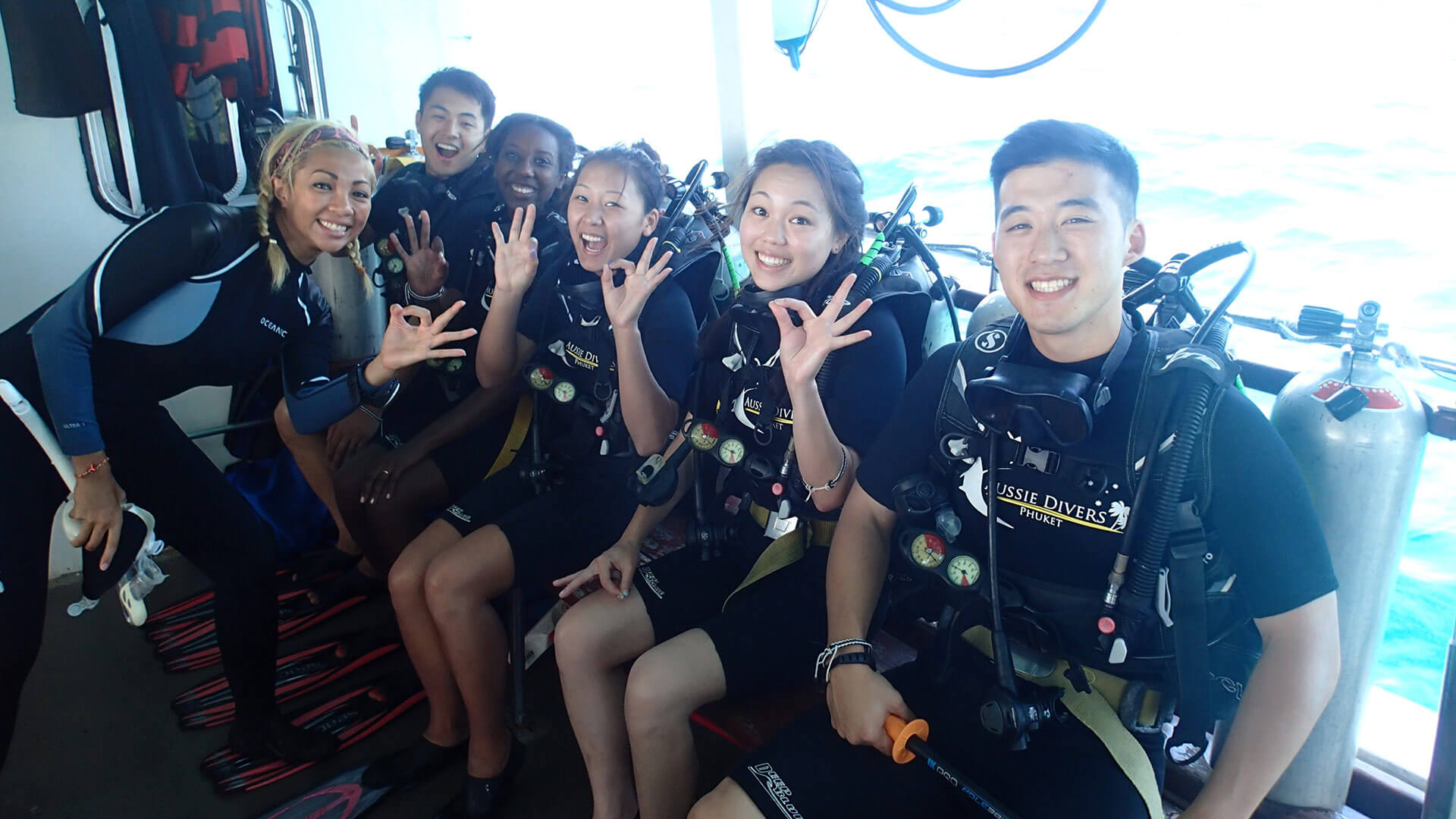
Day Trip Emily Aussie Divers Phuket
Book a Safe Dive With Aussie Divers Phuket
Basic Skills
For the Discover Scuba Diving, PADI introduced a few basic skills (4) to make the instructor lead dive safe and enjoyable. The PADI Open Water Course has some 34 skills. For this reason the PADI Discover Scuba Diving is only a scuba diving experience and not a certification or licensed course.
One of PADI’s roles in the scuba diving world is to prepare safety standards for their dive centres, instructors and student divers. These rules and regulations are based on more than 50 years of experience and more than 24 million certified divers (10’s millions more doing the PADI Discover Scuba Diving) with 100’s millions logged dives.
PADI has set strict rules for their Discover Scuba Diving. These rules are for your safety and well being. Although they are rare, accidents do happen in scuba diving, even rarer people do die scuba diving. PADI do their best to make rules to keep you safe. However, those rules are not always adhered to by some dive centres.
As a professional PADI 5 Star Instructor Development Dive Centre, Aussie Divers Phuket adhere to these rules. We do this for your safety and enjoyment.
When customers enquire about the PADI Discover Scuba Diving, we are often asked two questions. Both are a request that breaches PADI Safety Standards, both place you at an unnecessary safety risk.
Q. 1. I would like to do the dives at Phi Phi / Shark Point
It’s your professional responsibility to conduct a risk assessment by evaluating variables such as water conditions, temperature, visibility, water movement, entries and exits, the ability of participants.
PADI 2016 Instructor Manual: Page 127
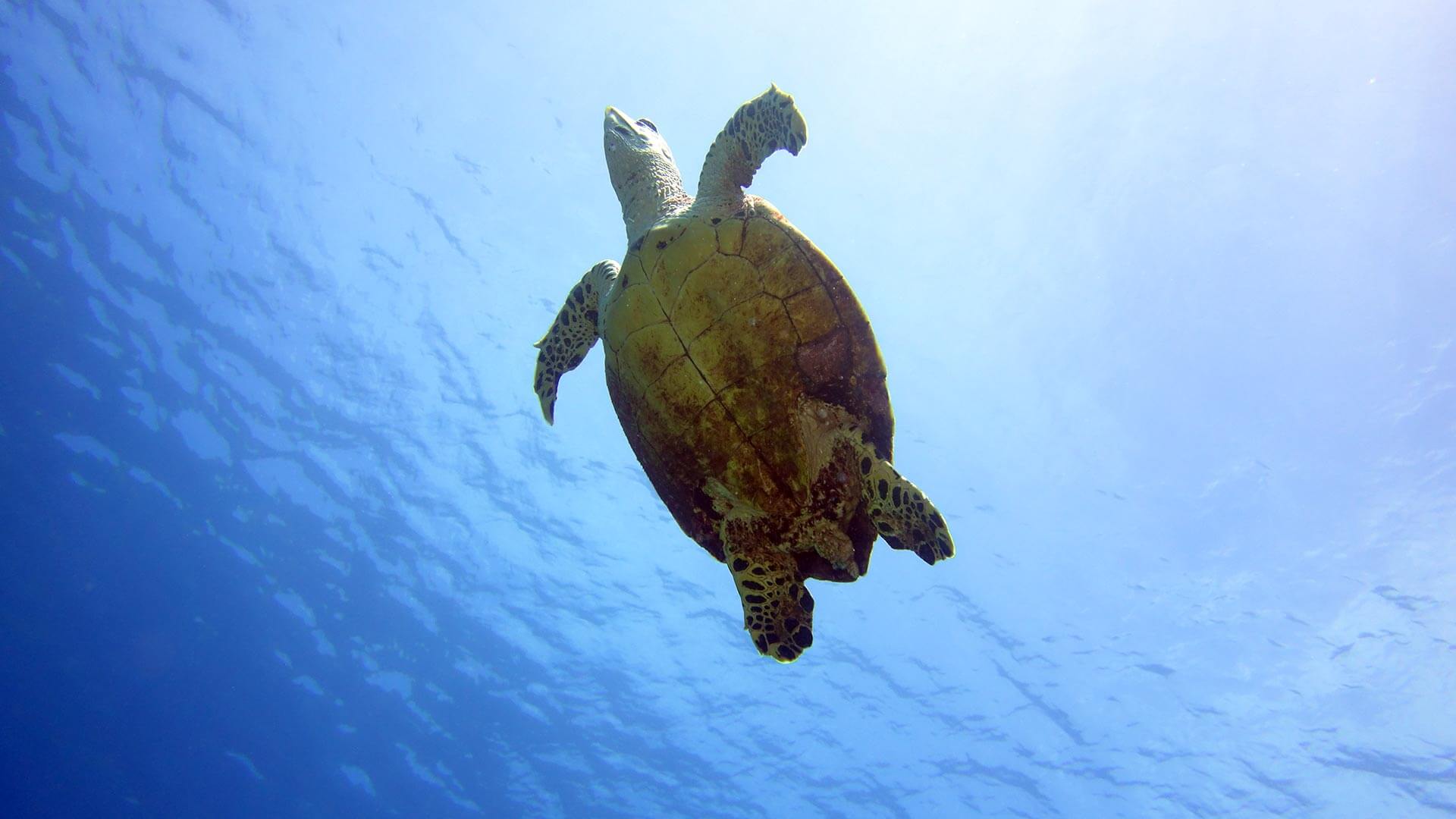
Hawksbill Sea Turtle photographed at Three Tree’s in the Similan Islands Thailand
Considerations
What PADI is asking is that the dive centers and instructor take into serious considerations of the dive site for the novice/beginner diver. Poor visibility, strong underwater currents or surge and waves.
Think of it like learning to drive a car. When you learn to drive you will learn in a small easy to drive vehicle. You don’t learn to drive in a Ferrari. This goes with any sport and activity, you don’t learn to play tennis by playing Roger Federer or learn to play golf by competing against Tiger Woods.
The same with scuba diving – you need to learn to crawl before you walk and walk before you run.
In early 2016 there were a couple of scuba diving deaths in the region (neither Aussie Divers Phuket). Both occurred at inappropriate dive sites around the Phi Phi area. As a result PADI held an extraordinary meeting. During that discussed the suitability of some of the dive sites at Phi Phi. The recommended that all discover scuba diving be done in water compliant to the standards. They recommended Koh Racha Yai and Koh Racha Noi.
The issue with the boats operating out of Phuket are large specifically built boats and can hold between 30 – 50 divers. They need to cater for all divers of all experience levels and not just a few beginners on the boat. This means that they need to go to the best dive site and that will most likely be Koh Bida Nok. Although this is a fantastic dive site it simply does not fit the safety requirements of the PADI Discover Scuba Diving. Shark Point is simply a difficult dive site that should never be attempted by inexperienced divers or PADI Discover Scuba Divers.
Further to this, your first dive is not an easy task. If you dive into difficult waters then you will not enjoy the dive as much. For instance, if the whole dive you are struggling with the conditions you will not enjoy the dive. Even if there is more to see you will see less.
Do an easier dive site, you will relax more, see more and enjoy the dive more. The only real appropriate dive sites to do this at in the local area is Racha Yai and Racha Noi. This is the only place that a professional dive centre will take you. If the dive centre you are enquiring with are willing to take you to Phi Phi then they are not taking you safety into consideration and are a reckless operation.
Q. 2. Will my instructor take photographs?
• Do not engage in any other activities, such as taking photographs or video, while supervising participants.
PADI 2016 Instructor Manual: Page 128
This is a simple one. If your dive instructor is taking photographs then they are not in control or able to assist you the diver.
Accidents can happen in milliseconds and given that it is difficult to move quickly underwater a few metres could be mean the difference between life and death in the event of an underwater accident.
By taking photographs or videos during a PADI Discover Scuba Diving the instructor and dive centre are clearly breaching PADI Scuba Diving standards. Thus by doing so void most insurance covers.
Would you really want to do your first ever scuba dive uninsured?
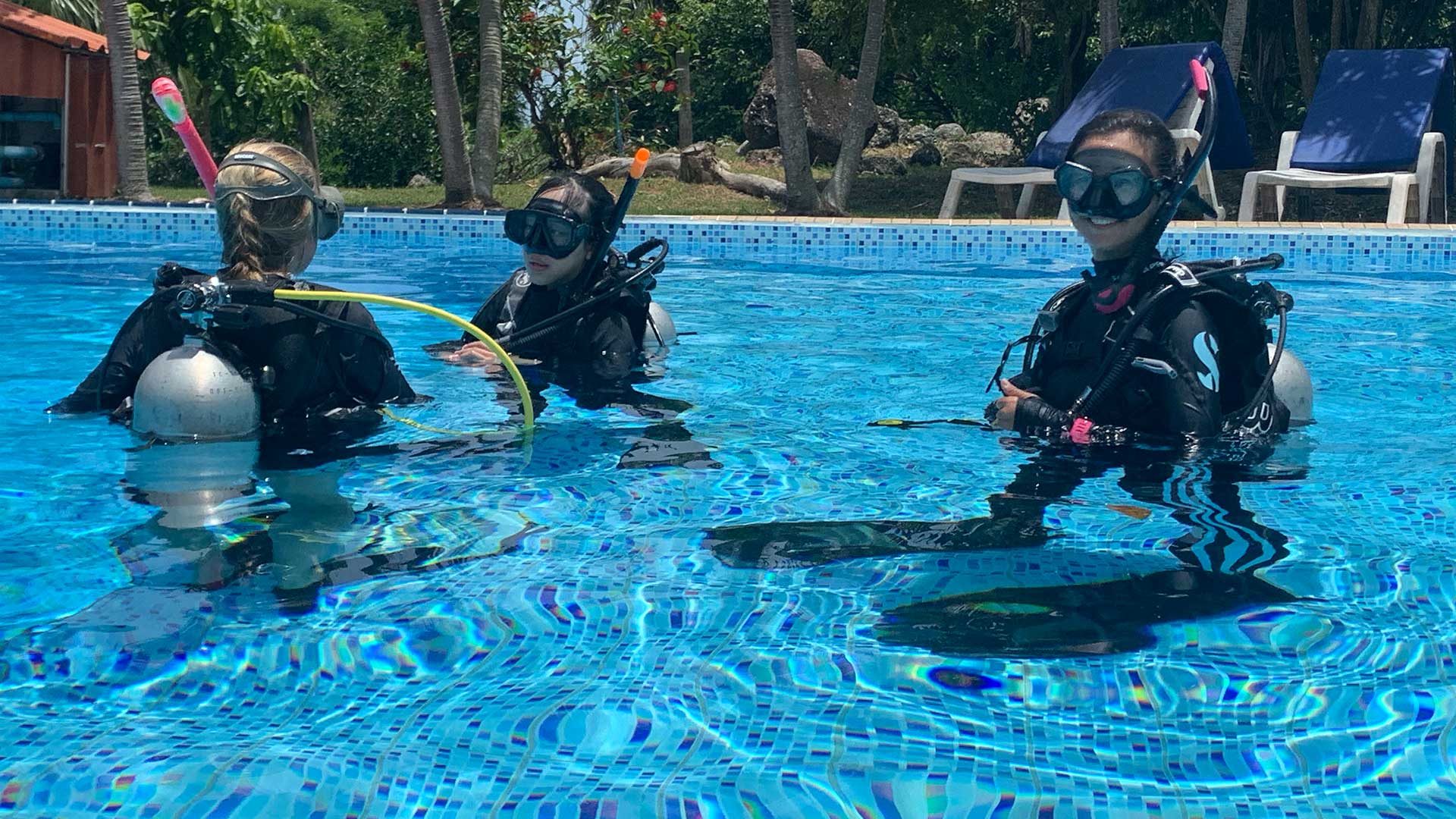
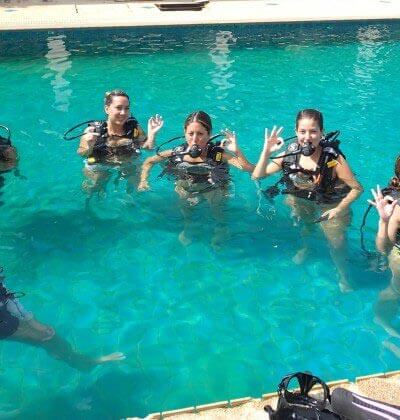
Aussie Divers Girls Pool Session
Pool Session
Lastly, PADI recommends that a Discover Scuba Diver do a pool session prior to going into the sea. This is the only true and safe way to start you PADI Discover Scuba.
Aussie Divers Phuket do this obligation free of charge. This is the best way of making sure first that you enjoy diving, it is the easiest way to do the required skills and it makes your day safer and more enjoyable. Thus giving you better value for money.
Maybe you need to ask yourself this question:
If the dive centre is not willing to take you into the pool first, is prepared to take you to Phi Phi despite the risks and is willing to breach PADI standards and void your insurance, is that someone I am willing to trust my first scuba diving experience to?
I think the answer is obvious.
Book a Safe Dive With Aussie Divers Phuket

Posted in Helpful Diving Info on .