
Tips on How to Prevent Seasickness
For scuba divers, boat travel is often an essential part of reaching dive sites, but it can also bring the unwelcome challenge of seasickness. Unfortunately, motion sickness affects approximately 70% of the population, turning what should be a thrilling adventure into a queasy ordeal for many. The rocking motion of boats can cause nausea and discomfort, especially for those who are prone to motion sickness.
However, there are several strategies to help prevent or alleviate seasickness, ranging from scientifically-backed methods to popular remedies that may border on myth. In this guide, we’ll explore various tips and techniques to help you stay comfortable and enjoy your time on the water, ensuring that seasickness doesn’t overshadow your diving experience.
What is Seasickness/Motion Sickness
Seasickness and motion sickness occur when the brain receives conflicting signals from different parts of the nervous system that sense motion, such as the inner ear, eyes, and skin. Our bodies have several motion sensory systems, located in the inner ear and eyes, along with skin pressure receptors and muscle and joint sensory receptors.
When you intentionally move your body, like when walking, the brain coordinates the input from all these pathways. However, motion sickness can occur when the eyes and inner ear send mixed signals to the brain. For instance, if your body feels movement that your eyes don’t see, or if your eyes see movement that your body doesn’t feel, you will likely experience some form of motion sickness.
The ability to overcome seasickness often improves with time and experience on the water. When I began my PADI Open Water and Advanced Open Water courses, I was chronically seasick. However, by the time I reached PADI Pro levels, I was able to handle the roughest seas we dived in. So keep your chin up—it should get better with practice and patience.

1. Keep the Horizon in Sight
You want to continually glance at the horizon, keeping it in sight, but not staring at it. As your body adjusts to the new movements, use the horizon as your point of reference. It is suggested that facing forward on the boat is better than facing to the side. Facing forward should help people manage their seasickness a little better. Looking at the horizon or fixed point gives your brain a fixed reference point & helps counteract the confusing signals from the balance centres in our ears
If you can’t look at the horizon, lie down and keep your eyes closed. This will reduce the conflicting signals between your eyes and inner ear.
2. Fresh Air
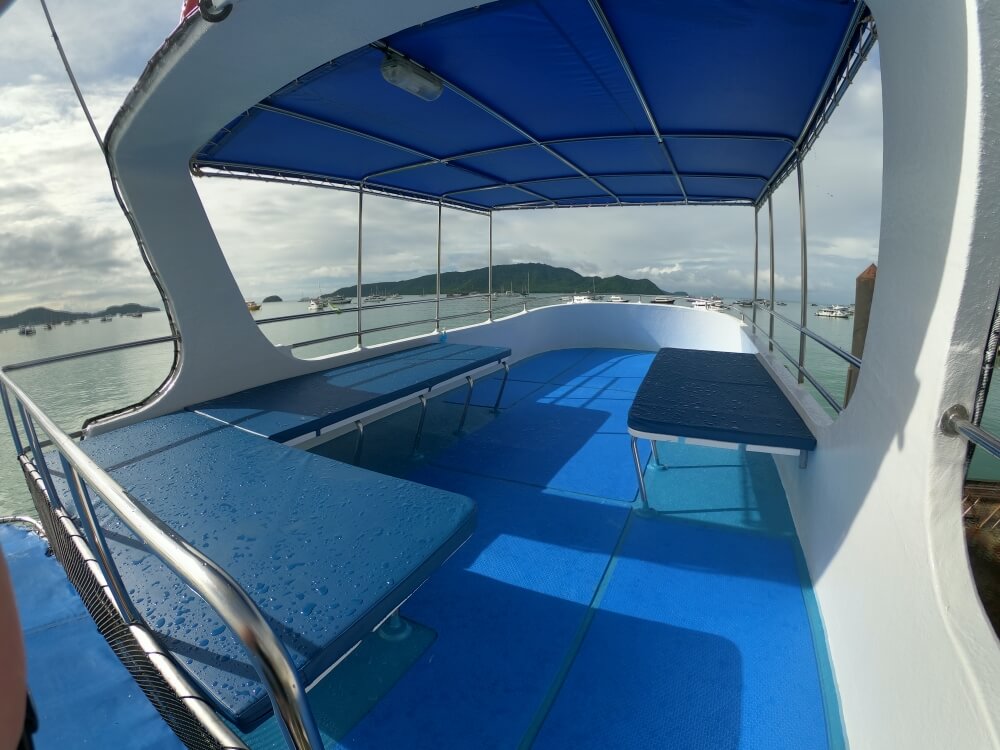
Having a breeze of fresh air and avoiding enclosed spaces, can help with seasickness. Lay down, close your eyes and listen to some music on the deck. You want to get your mind off being sick and let the music calm you down. Since anxiety contributes to seasickness, you are more likely to get sick if you board your dive boat expecting to feel sick.
3. Medication
If you are in the 70% of those who are prone to seasickness, you can try taking Dramamine (Travel Calm) before the trip. Dramamine is an antihistamine that can make you sleepy (if you have a long boat ride this may not be a such bad thing). There is also a non-drowsy version. Dramamine is easily available over the counter in pharmacies/drug stores here in Thailand.
It is recommended that you take medicine at least one to two hours before travelling. However, a wise man suggested to me that you take one tablet at night before sleeping and one as soon as you rise. That method has worked with a few chronic motion sickness divers I know. Some doctors will recommend starting to take medications days in advance for more severe cases.
If you get chronic motion sickness then it may be worth trying Scopolamine patches (Transderm Scop). Scopolamine patches require a prescription from a physician. However according to studies, they are more effective than the motion sickness antihistamine meclizine (Antivert or Bonine)

4. Don’t read, use phones or use cameras
Divers who develop motion sickness may have trouble reading books or texts on phones or tablets. This again has a sensory disconnect between the inner ear and eyes. Reading will most likely make your symptoms worse. Consider using audiobooks, listening to music, or even a nap to pass the time.
6. Ginger Extract
During research, Ginger continually came up as a remedy
There are quite several different forms of ginger that you could try. There is ginger syrup, ginger capsules, ginger candy, or ginger ale (make sure it is made from real ginger).
However, probably the easiest form of ginger is brewed in a tea. It is inexpensive, delicious and can easily made on a boat. Ginger has been used to treat seasickness for centuries and is believed to have first been used by the ancient Chinese. It is not known exactly why ginger is so good at treating seasickness, but multiple studies around the world have found it can reduce or prevent seasickness altogether.
6. PSI Bands/Pressure to wrists
There have been a lot of studies that have shown that by simply applying pressure to your inner wrists, you can reduce seasickness.
An acupressure point along your wrist called the nei-kuan (P6) may give you quick relief. Place the index, middle, and ring fingers of your right hand on the inside of your left wrist, starting under the crease. Your nei-kuan point is underneath your index finger, between the wrist tendons. By applying firm pressure on one or both wrists for around four to five seconds you may be able to alleviate some motion sickness symptoms.
There are even products you can purchase designed to apply the pressure for you. These date back to ancient practices such as acupuncture. These are elastic bracelets with a plastic stud attached to the inside of the band. This study places pressure on an acupressure point that is believed to relieve nausea and vomiting. They are inexpensive and a natural option. Some divers swear by them, and some experience no change in symptoms.
7. Good smells and bad smells
Personally, this is the one that sets me off. A strong smell whether it be If you happen to be strong perfume, food, the exhaust from the engine or other sick people can make my nausea worse. It has been recommended to avoid all strong smells. This is where the fresh air can help clear.
Certain scents, like pure ginger and lavender essential oils, may also aid. Here in Thailand, there are many oils available at most convenience stores. Peppermint essential oil has been used to reduce nausea in patients in hospital. There are many ways to use oils. My preference is to place a few drops over a tissue and breathe from it when required

8. Stay Hydrated
As always with scuba diving, it is always important to stay hydrated. Dehydration can cause symptoms of seasickness to start or make them worse if you are already feeling poorly. Avoid alcohol.
You Dont Know If You Dont Try
Some other suggested remedies from the World Wide Web.
Green Apples
Eating green apples or artificial orange and citrus candy to combat seasickness is a trick that cruise crew members and seasoned scuba divers swear by.
Licorice root lozenges
Licorice root is used to soothe stomach ulcer pain, and stomach acid irritation, and help digestion. It may also help ward off nausea and vomiting. They are considered herbal supplements so please take them as directed.
Coke
An article in Sports Diver suggests having a Coke. It contains phosphoric acid and sugars, the same ingredients you’ll find in Emetrol, an over-the-counter anti-nausea drug.

What to do if you are already sick.
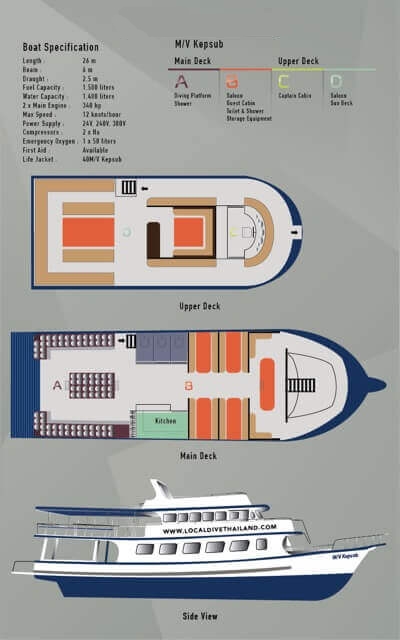
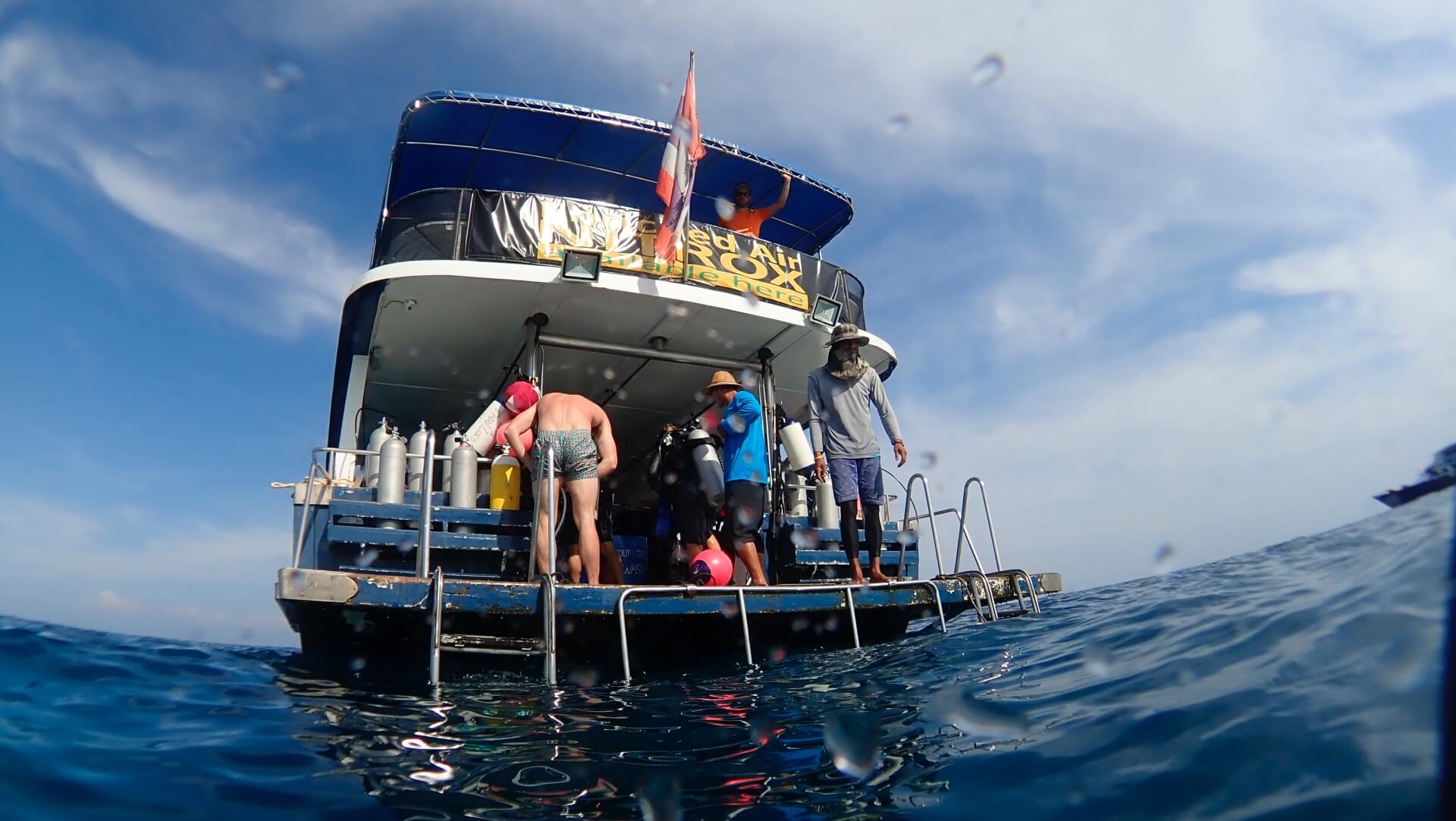
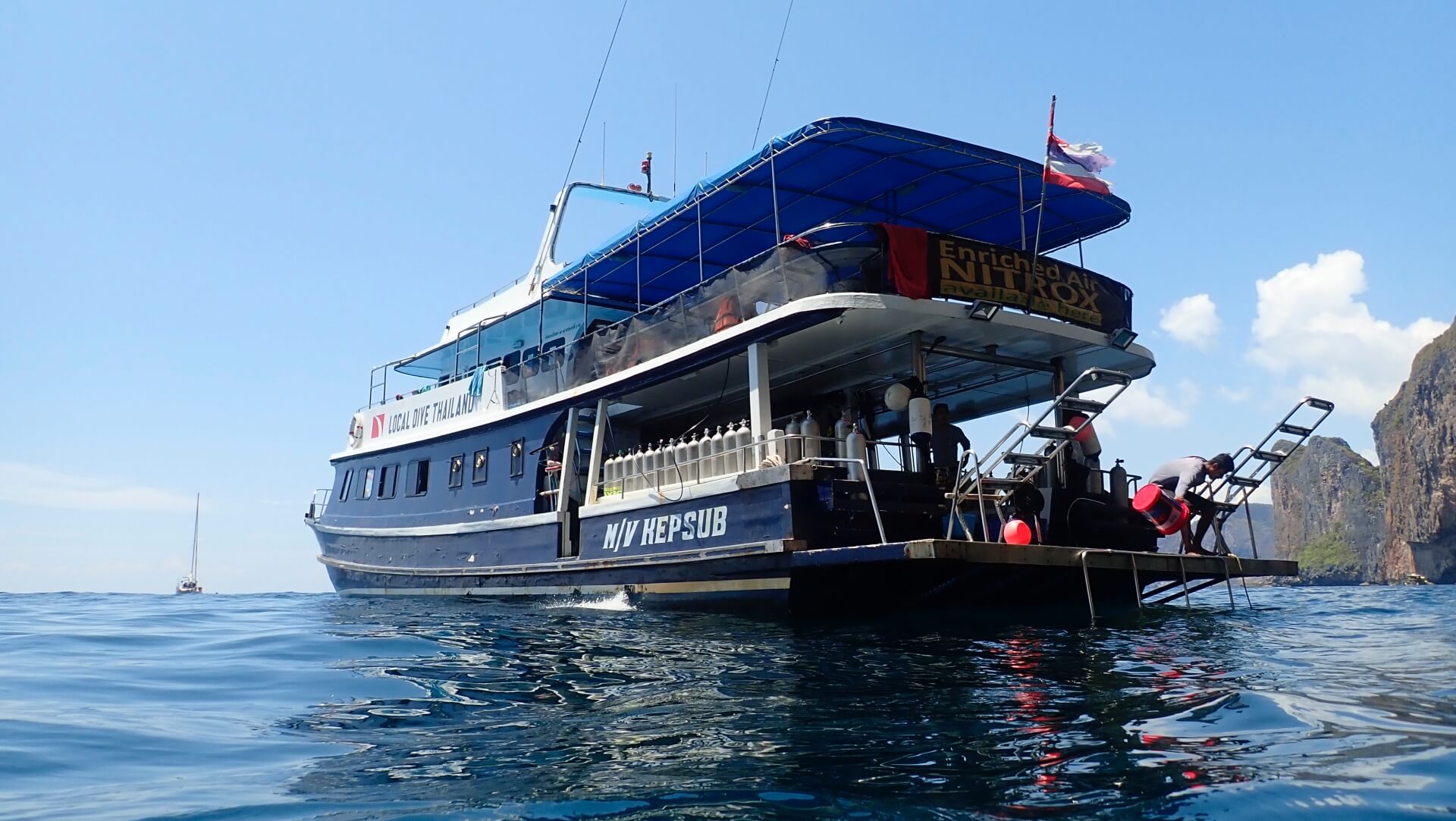
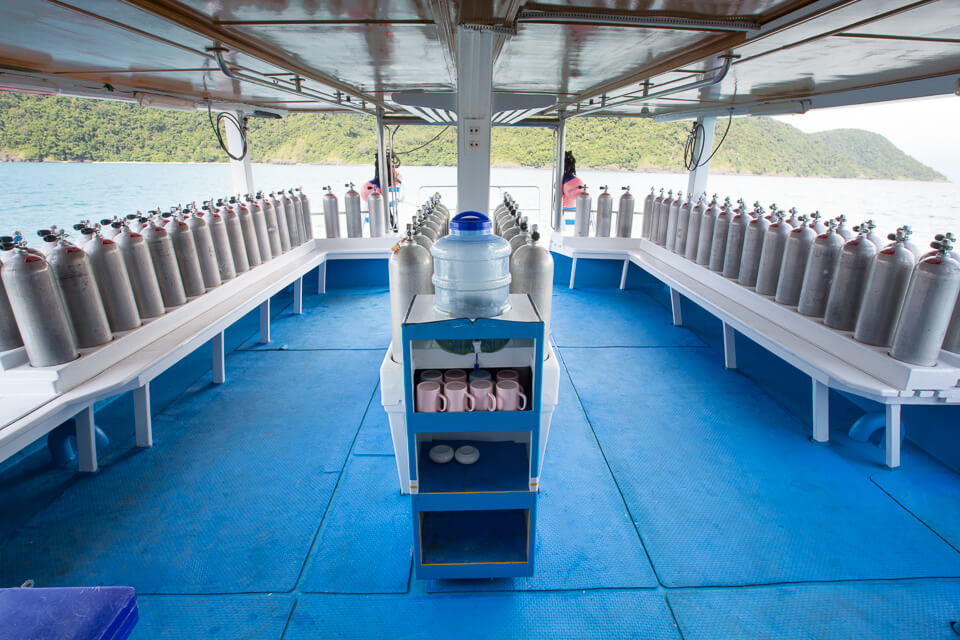
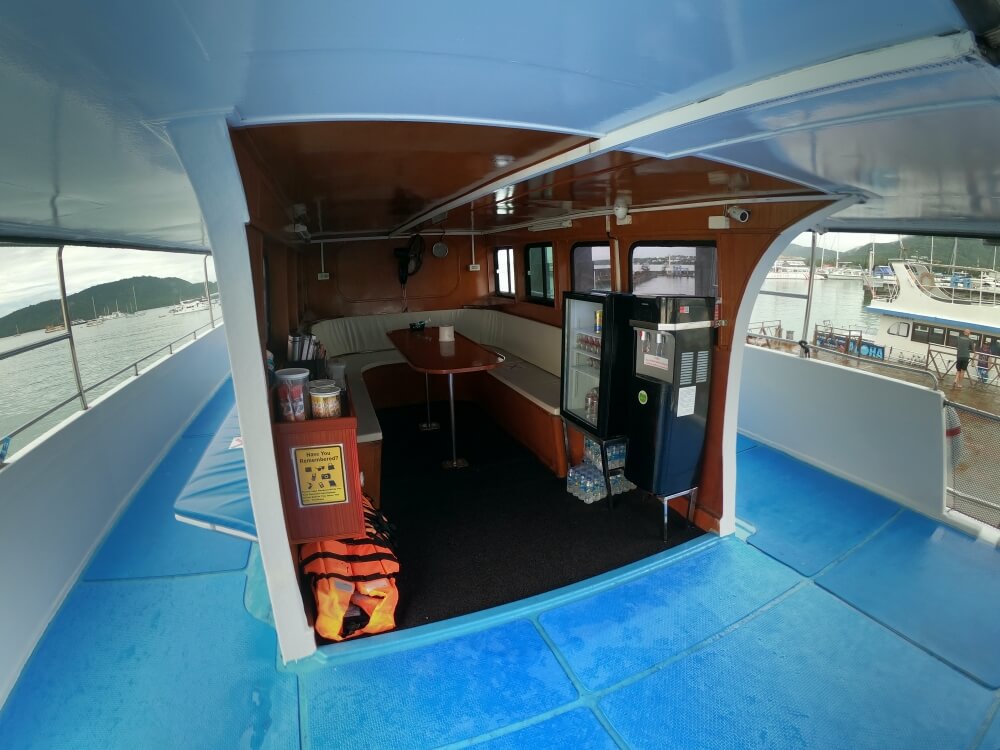
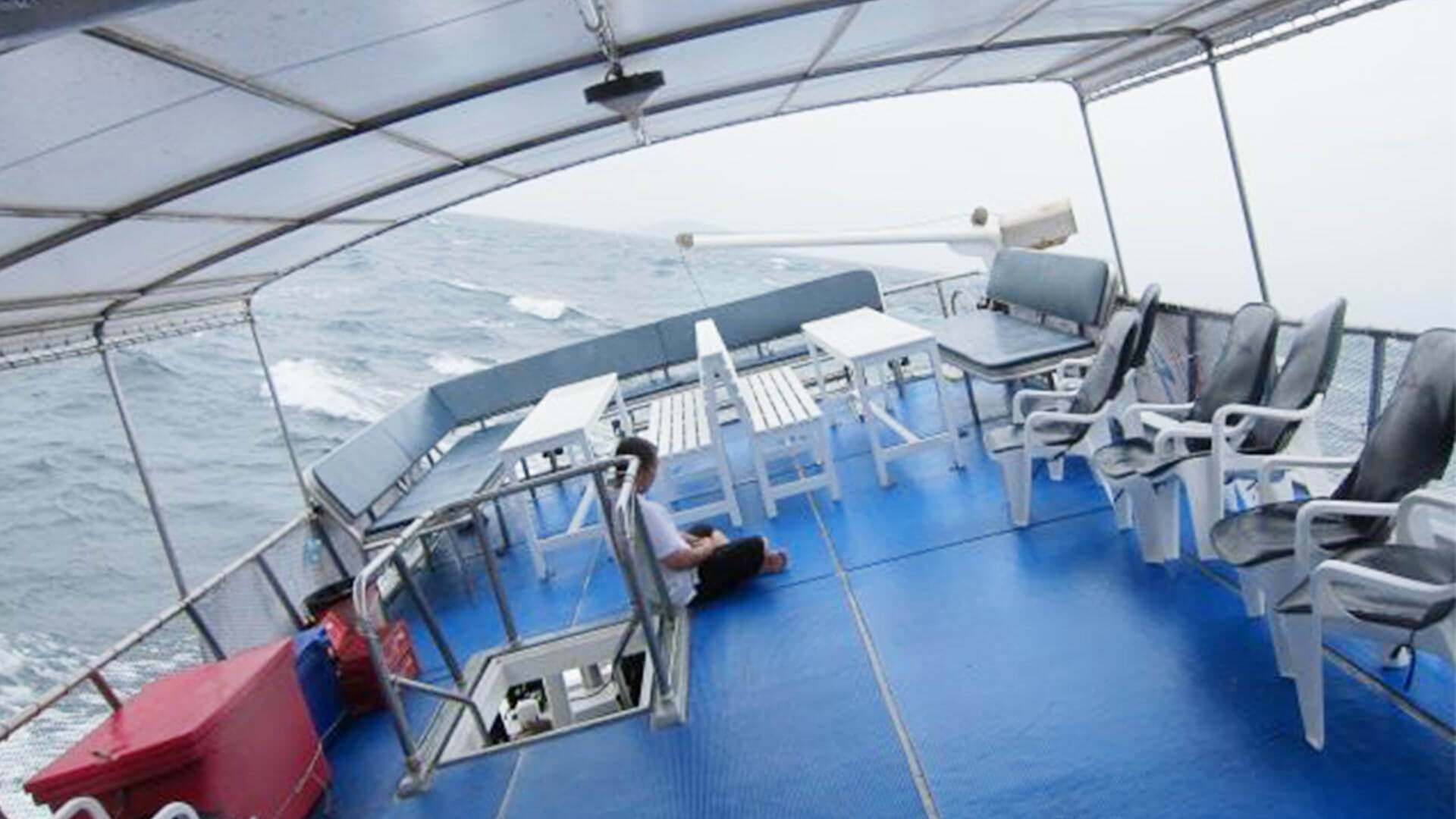
If you need to be sick find the leeward side (wind at your back) of the boat. Please remember, do not go to the toilet to do this or in a trash can. Try to be considerate of others. After being sick stay in fresh air, avoid going below deck or into confined spaces. The stern (back) of the boat moves less than the bow (front) and can be a good place to position yourself if you can still have fresh air. Also being on the deck that is level with the water will mean less movement than being on the upper decks.
Rest afterwards.
The Ultimate And Most Effective Seasickness Cure.
This one is simple, sit under a tree.
There is a humorous adage among sailors and divers alike: “The only sure cure for seasickness is to sit under a tree.” This tongue-in-cheek advice highlights the fact that seasickness is inherently linked to being at sea, and the simplest way to avoid it is to remain on solid ground. Sitting under a tree symbolizes stability and calm, contrasting with the unpredictable motion of the ocean. While this might not be practical advice for those already on a dive boat, it underscores the idea that our bodies are naturally more comfortable on land, where the sensory inputs of motion and balance align seamlessly.
For divers, who often find themselves far from the comfort of trees, this saying serves as a reminder that seasickness is a common and temporary challenge. While you can’t bring a tree aboard the boat, you can take other steps to alleviate motion sickness, such as focusing on the horizon, staying hydrated, and using seasickness remedies. However, if the thought of sitting under a tree makes you smile, it might also remind you that a day on the water ends with a return to land, where you can find your balance again and reflect on the incredible adventures you had beneath the waves.