Why whale sharks are NOT the coolest creatures in the sea…
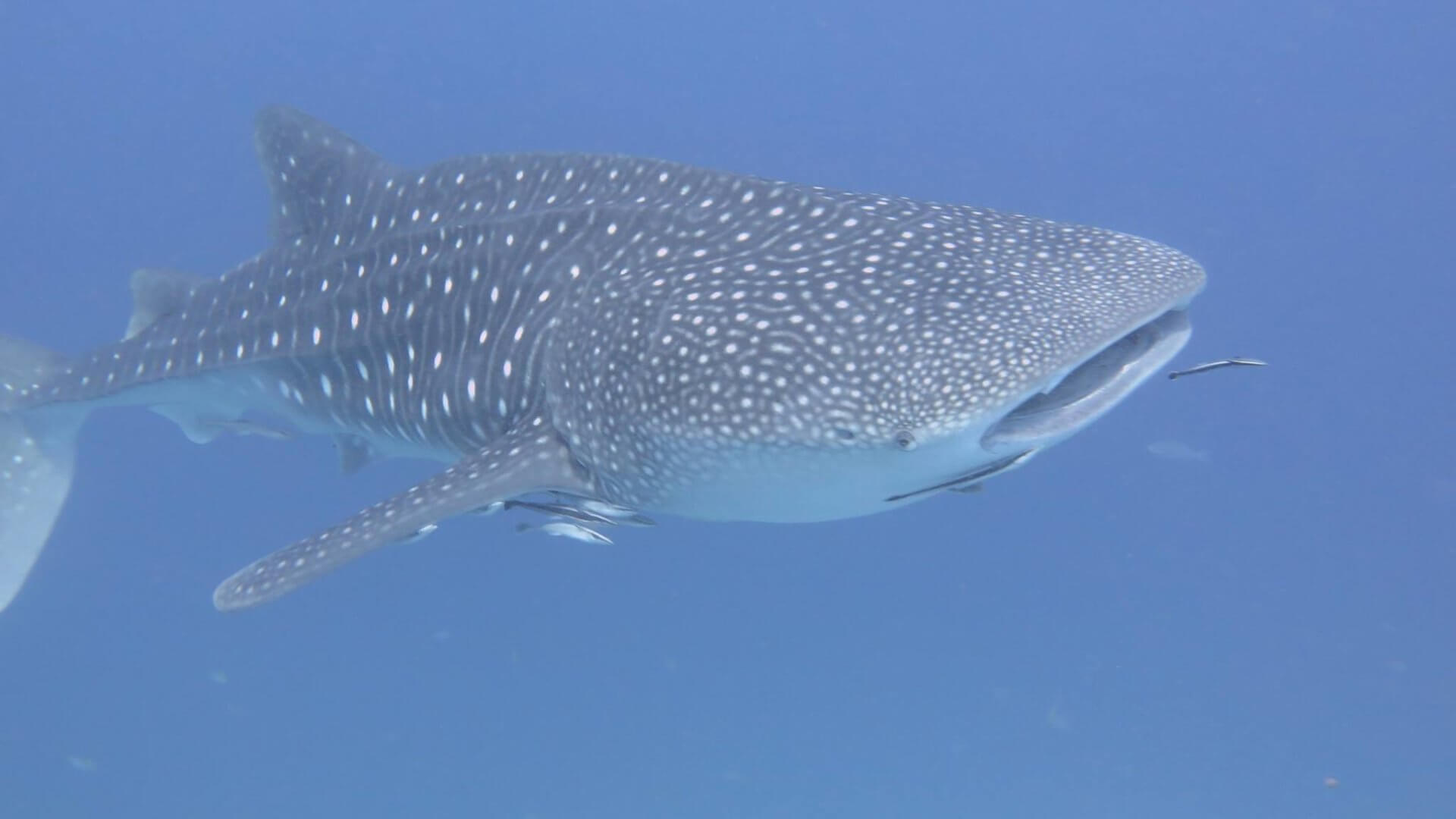
One of the most popular creatures some say the coolest, in the sea is the whale shark. Look at most websites in Phuket and around the world and they will feature pics of these massive creatures. Travel to some locations in the world and you could not help but think they are the only creatures in the sea.
We we are about to debunk that theory and prove that they are not as cool as what divers think.
We rate the whale shark on four key areas, make you own mind up.
They are never there when they need them to be
Divers have spent many millions of dollars chasing that elusive glimpse of a whale shark and have failed. They have travel to remote locations, spent money on liveaboards and days trips and come up donuts.
We have had divers on their birthdays, wedding anniversary and milestone dives 100, 1000 etc all wishing to see a whale shark to make that day extra special and what happens, nada, zip, zilch.
Some use the word “elusive” to describe whale sharks, we like to think of them as unreliable. The Loch Ness Monster was elusive, whale sharks not so.
Reliability 1/10
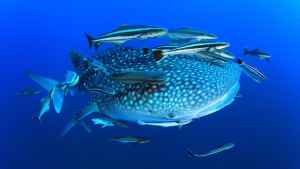
Whale Shark Suckerfish Aussie Divers Phuket
They just keep swimming
Whale sharks have been recorded swimming over 12,000km in a three year period and at just 4km per hour they just keep doing that.
The average scuba dive swims at about 0.5 km an hour, maybe a bit faster using Scubapro Seawing Novas, slower if you still manage to own a pair of split fins.
This makes it virtually impossible to keep up with the alleged, coolest whale shark and extremely difficult to get the required “if there is not pic, it didn’t happen” or selfie shot.
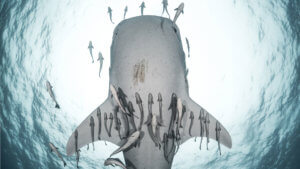
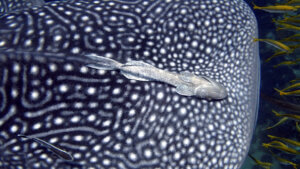
Whale shark could learn a lot from the behaviour of the Ramora who are more than happy to pay close attention to divers and fellow marine creatures.
Social Skills – 2/10
Ramora Whale Shark Phuket
All they think about is food
Whale sharks migrate thousands of miles just for food. In fact they only migrate to eat. Whales sharks could have a trips destined for Phuket Thailand and find out there is food in Okinawa, Japan and they head there. Very little thought is given to the divers waiting in Phuket.
They are also lazy eaters neither biting or chewing their food and they mostly sieve plankton through their gills for nourishment. They process nutrients from about 6,000 liters of water a minute and and don’t chew any of it. I mean, what is the point of having almost 3,000 teeth (some on their eyes) if you are not going to chew your food.
Food etiquette 2/10
The Similan Island is a hot bed for Whale Shark Activity, see them with Aussie DIvers Phuket
They only come in one color
A first, the unique blue and white spotty patten can pretty impressive, however, stare at it long enough and it does become hypnotic …..
Ok, so scientist say that they all have a unique spotty patten that is akin to a humans fingerprint. However, who really knows what their best friends fingerprint looks like. I don’t think too many people know the difference between a radial loop, ulnar loop, double loop or central pocket loop nor do the different spots on a whale shark.
On the other hand, the humble Butterflyfish wear intricate patterns with striking backgrounds of blue, red, orange, or yellow. Many have dark bands across their eyes and round, eye-like dots on their flanks to confuse predators.
The saying is, a Leopard never changes it’s spots, not a whale shark….
Color Rating 3/10
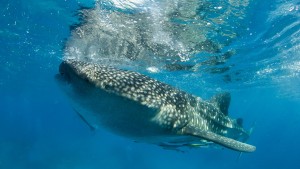
Scuba Diving Whale Shark Richelieu Rock Liveaboard Phuket Thailand

Posted in Marine Life on .