
The King Cruiser Wreck, Phuket, Thailand
This blog is about the most famous scuba diving wreck in Phuket, Thailand, the King Cruiser Wreck. This is the story of the King Cruiser wreck, a dive site that has become an attraction for divers and a haven for marine life. Let’s explore the history, dive experience, and incredible marine biodiversity surrounding this popular wreck.
The Wreck’s History:
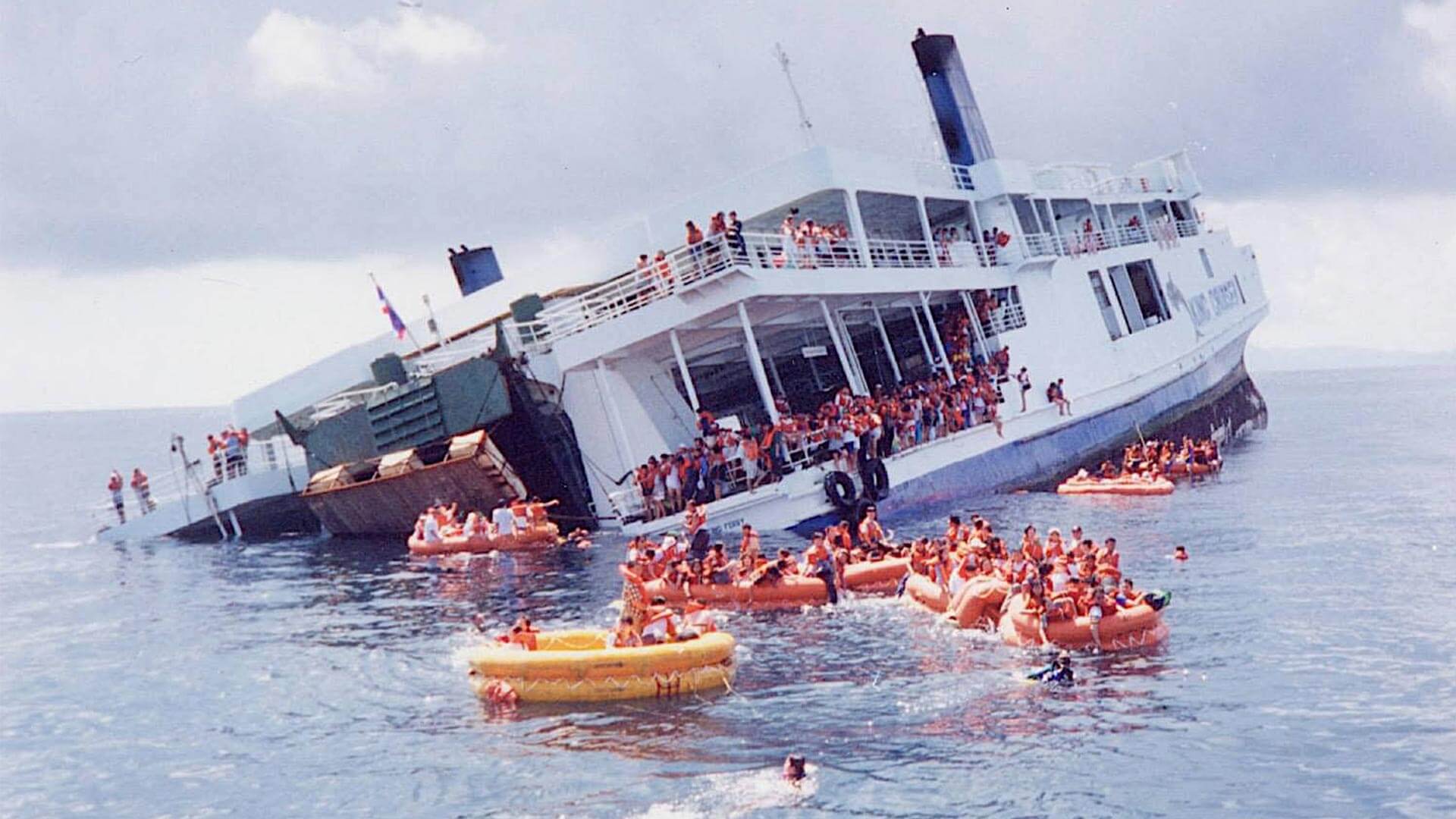
The story of the King Cruiser wreck begins on May 4, 1997, at the time the vessel was carrying approximately 561 passengers, including Thai locals and tourists. It was on its regular route from Phuket to the Phi Phi Islands. The ship, originally named the MS Rhein, was a Japanese car ferry that had been in service since 1968. It measured around 85 meters in length and had a capacity of 800 passengers and four cars.
On that fateful day, the King Cruiser struck the submerged Anemone Reef pinnacle which is also a popular scuba diving site, located about 12 kilometers southeast of Phuket. The impact caused significant damage to the hull of the vessel, leading it to sink within just a few hours. Fortunately, there were no casualties, and all passengers were safely evacuated by local fishermen. However, the incident marked the end of the ship’s active service and the beginning of its new life as an artificial reef and popular scuba diving site.

Rumors of the Sinking:
There have been rumors circulating regarding the King Cruiser wreck and its captain being drunk at the time of the incident, as well as speculation about insurance-related aspects. However, it’s important to note that these claims are unverified and lack substantial evidence.
Regarding the captain’s alleged intoxication, it is crucial to approach such rumors with skepticism. The official investigation into the sinking of the King Cruiser identified the submerged Anemone Reef as the cause of the accident, but it did not attribute the incident to the captain’s intoxication. Reports on the incident do not mention any conclusive evidence or findings suggesting that the captain was under the influence of alcohol.
In terms of insurance, it is common for vessels like the King Cruiser to have insurance coverage to protect against accidents and damages. However, any specific details about the insurance coverage for the King Cruiser and its role in the incident are not widely known or publicly documented.

The Wreck Now:
The sinking of the King Cruiser created a unique opportunity for scuba divers to explore an underwater wreck. Over the years, the wreckage has gradually transformed into a captivating ecosystem, attracting a wide variety of marine life. The vessel now rests on the sandy seabed at a depth ranging from 18 the top of the vessel to 32 meters on bottom. Because of the depth, the dive is limited to experienced advanced recreational divers.

The Marine Biodiversity:
The King Cruiser wreck has transformed into a thriving ecosystem, attracting an abundance of marine species with large schools of snappers and barracudas, plenty of scorpion fish and it is never difficult to find white-eyed moral eels hiding in the crevasses. She has colorful coral formations and swaying sea fans and the occasional sighting of larger marine species and is no stranger to seeing a whale shark swim by from time to time.
The transformation of the King Cruiser from a ferry to an artificial reef has not only provided scuba divers with a unique experience but also contributed to the conservation of marine ecosystems. The wreck acts as a refuge for a wide range of species, creating a self-sustaining ecosystem and helping to alleviate pressure on nearby natural reefs. It serves as a reminder of the intricate relationship between man-made structures and the marine environment, showcasing how nature can adapt and thrive even in unexpected circumstances.
Conclusion:
The King Cruiser wreck in Phuket offers a unique experience for advance level divers and a chance to explore the rich marine biodiversity surrounding this extraordinary wreck.