
In-Water IDC/IE Presentations: Tips for Success
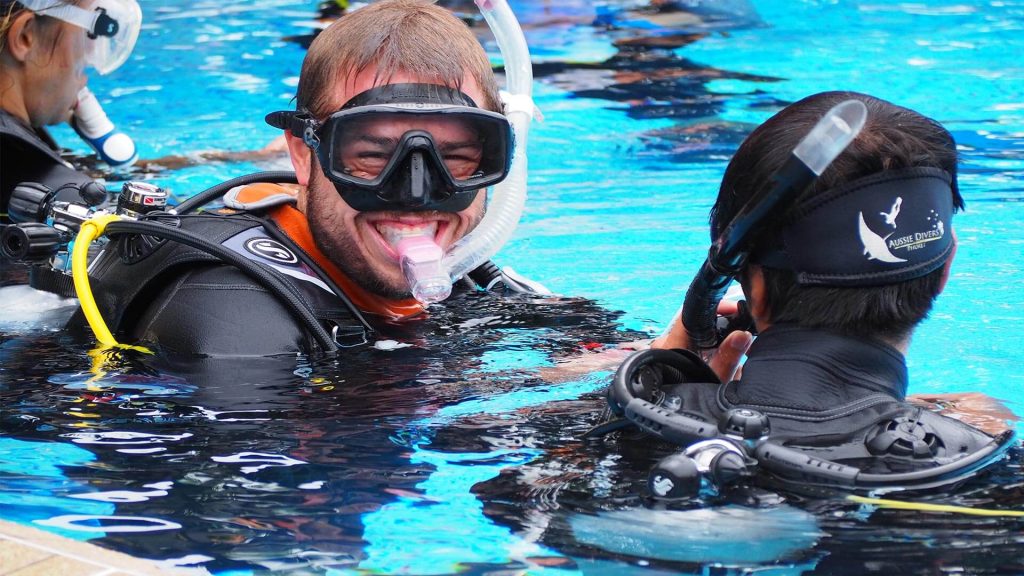
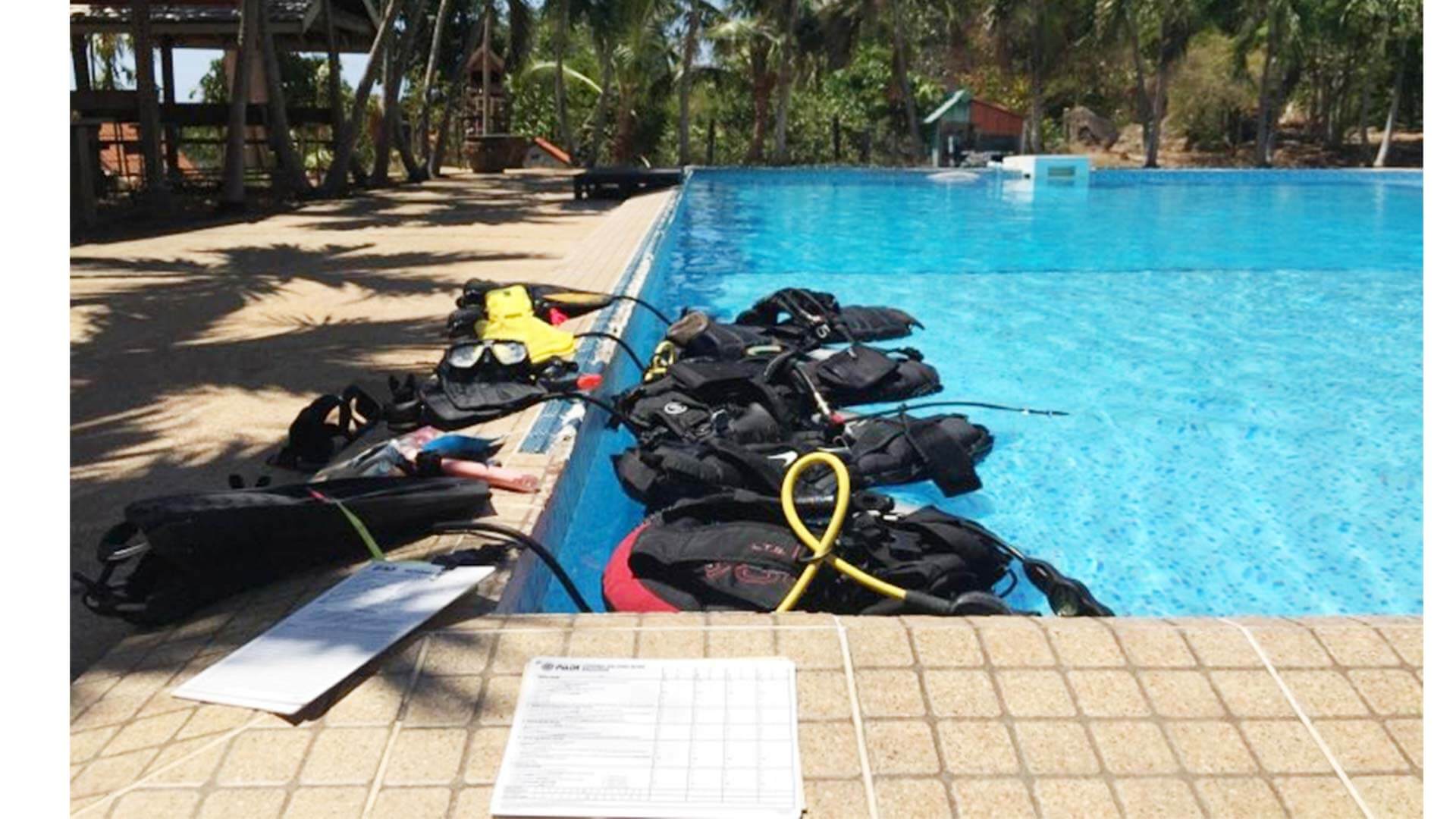
During your PADI Instructor Examination (IE), you’ll be required to complete two in-water presentations. The first is a single-skill confined water presentation, typically conducted in a swimming pool, and the second is an open water presentation involving two different skills, which will be carried out in an open water environment.
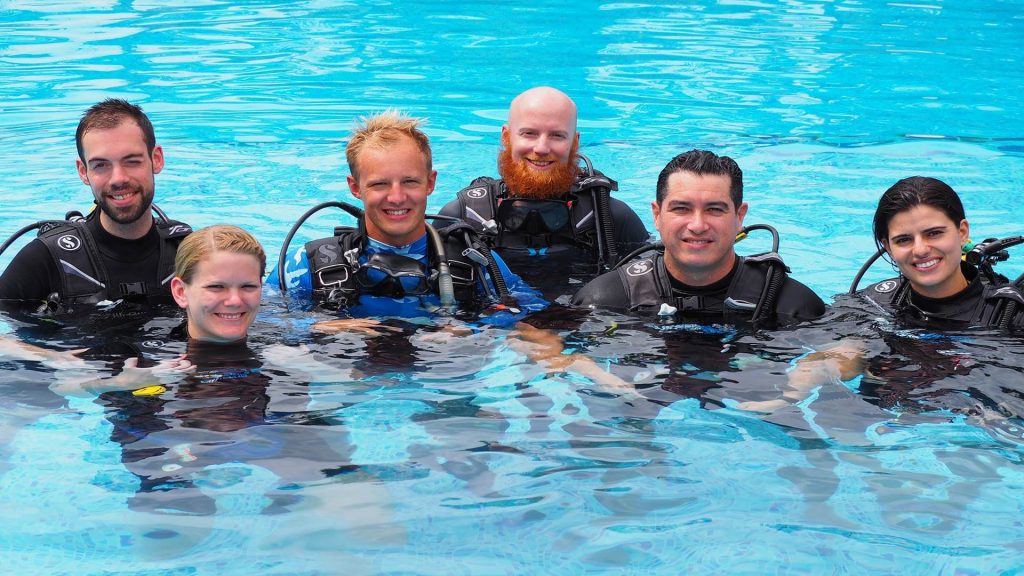
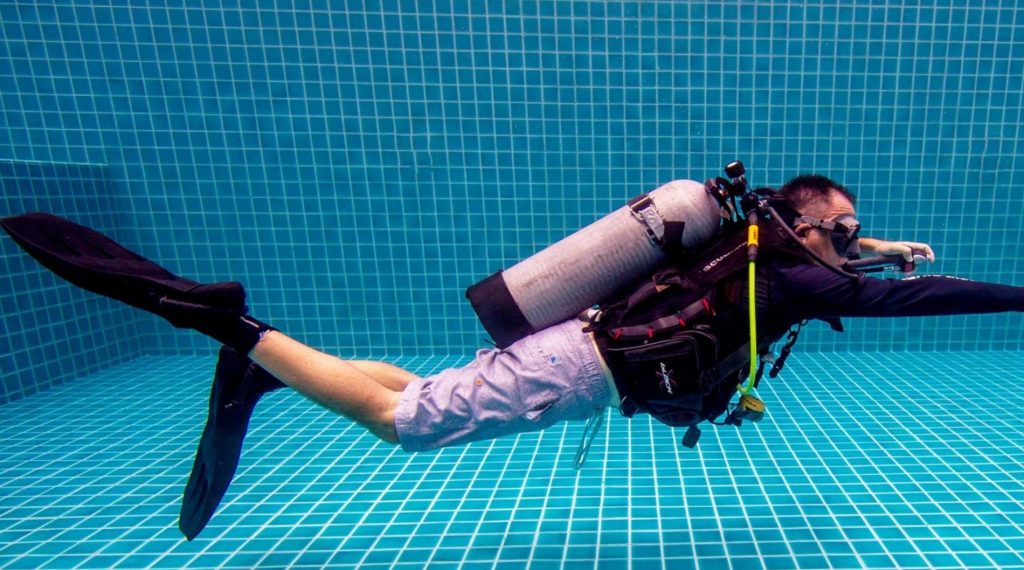
In the confined water presentation, you’ll be tasked with teaching a group—usually consisting of other IE candidates—how to perform a specific skill from the confined water section of the PADI Open Water Course.

IDC Presentation Slates
PADI makes these presentations more manageable by providing you with preparation slates, which are included in your PADI IDC slate pack. You’ll hear this advice often during your IDC in Phuket: follow the slate and read from it. It’s a simple but crucial tip.
The most important piece of advice for the IDC Confined Water Presentation is:
“READ FROM YOUR SLATE!!”
There’s no need to try and memorize the presentations. PADI provides these plastic slates so that you can take them into the water with you—so make use of them. You won’t earn extra marks for not using the slate, and if you try to go off memory, you’re more likely to forget something important.
It’s also worth noting that, in my experience, it’s not necessary to include a formal introduction, such as “Hello, my name is… I’m your PADI Instructor, and today I’m going to teach you….” By the time you’re teaching a skill like hovering from Confined Water 4, your students should already know who you are. Instead, simply start by saying, “The next skill is…”. However, this may vary depending on your PADI Course Director’s preferences.
Starting with the 2020 version of the PADI Instructor Examinations, you may or may not be assigned an assistant for the skill. In the past, instructors always had an assistant, but this is no longer guaranteed.

Additional Tips for the PADI IDC Confined Water Presentation
There’s no need to discuss dive site details, water conditions, temperature, visibility, or entry and exit techniques during your presentation. While these are important in real-life scenarios, they are not necessary for the PADI IE.
Technically, demonstrations aren’t required in open water for the PADI Open Water Course. However, in the 2020 version of the IE, you might be asked to demonstrate skills underwater from continuing education courses. You can also choose to do a demonstration during the briefing, such as knot tying, compass use, or even a dry mask demonstration.
Breaking Down the PADI Slates
- Skill: Clearly state the skill you are about to teach.
- Performance Requirement/Objective: Locate the relevant skill on your PADI Confined Water slates. The description and performance requirement will be listed on the back of the corresponding slate.
- Tip: Read this description verbatim. PADI has carefully crafted these instructions, so it’s essential to follow them exactly as written.
- Value: Provide a brief explanation of why this skill is valuable. My general rule is to keep it short and simple. For example, if it’s a buoyancy skill, the value could be that it helps prevent damage to coral. For mask or regulator skills, the value might be that it allows you to continue the dive safely without surfacing.
- Tip: Keep the value statement concise, and it’s always good to include the word “safely” in your explanation.
- Description of the Skill: Be methodical and thorough in your description, but remember that this is a briefing, not a full lesson.
- Consider where the skill fits into the overall course. For instance, if you’re teaching a partial mask clear in Confined Water 1, you’ll need to be very detailed in explaining how to clear water from the mask. However, if you’re teaching a no-mask swim in Confined Water 4, after students have already completed full mask flood, mask removal and replacement, and no-mask breathing, you can assume they know how to clear their mask by this stage. You might simply say, “Replace and clear your mask.”
- A dry run demonstration during the briefing is also helpful, as it allows you to incorporate signals into your explanation. Later, when you get to the signal section, you may only need to add, “additional signals are…”
Signals
- Priority Signal #1: Start by saying, “My signal for this skill is…”, and then demonstrate the signal.
- Follow up with any signals that are relevant to the skill being taught.
- Tip: Remember the context of the skill. If you’re teaching a skill in Confined Water 4 or 5, there’s no need to repeat basic signals like “OK,” “Go up,” “Go down,” or “Slow down.” Focus on signals specific to the skill. However, if you’re teaching a skill from Confined Water 1, you might want to review some of those basic signals.
- Priority Signal #2: Have signals ready for anticipated and perceived faults. Often, when students make mistakes, the instructor doesn’t have a signal to correct it. Be prepared with signals for common errors.
Organization
Describe the logistics of where the skill will be performed in the pool, where the students will be positioned, where the divemaster (or assistant) will be if you have one, and where you will be located.
Demonstration Reminders
These are brief reminders to help students remember key points during the skill. For example, it could be a time reminder, such as 30 or 60 seconds, a one-breath reminder for a Controlled Emergency Swimming Ascent (CESA), or a reminder not to scull during a hover.
Problem-Solving
- Anticipated Problems: It’s essential to anticipate potential problems when teaching a skill. This is what separates a good instructor from a great one. You’ll find a list of common issues in your PADI Guide to Teaching. Make sure to have a list of anticipated problems on your teaching slate and use appropriate correction signals.
- Occurred Problems: Write down any problems that occur during the presentation. This will help you address them effectively during the debriefing.
Don’t Forget the Key Tip: “READ FROM YOUR SLATE!!”
Debriefing
Learn these lines by heart for your debriefing:
- “I really liked the way you/both/all remembered to [insert positive aspect]…” This must be related to the skill, not something generic like “I liked how you sat quietly.”
- “However, I did notice that one of you [mention observed problem]…” and “One of you did [mention another observed problem]…”
- “I recommend that next time you [suggest improvement]…” and “You [suggest another improvement]…”
- “So now you know how to perform [restate the performance requirement]…” and “The value of this skill is [restate the value]…”
Summary
The key to success in your IDC Confined Water Presentation is preparation and attention to detail. By following your slate closely and anticipating potential issues, you can confidently guide your students through the skill and ensure a smooth and successful presentation.