Why is it Important to Stay Hydrated While Scuba Diving?
Staying hydrated when scuba diving is important to your health. Here we look at the reason why and the consequences if we do not.
Drink Plenty and Enjoy the Dives
I may sound a little odd given that scuba divers spend most of their active time surrounded by water, however staying well hydrated is very important when scuba diving.
There are a number of different reasons why a scuba diver may dehydrate, particularly here in Phuket, Thailand. Scuba Diving can also have its own issues if a diver does not keep hydrated.
What contributes to dehydration when scuba diving?
There are a number of factors that contribute the dehydration. Here is a list of a few that occur when scuba diving in warm climates like Phuket.
The Air that we are Breathing
When we breath on land, the air that we breath will most likely have some humidity. Humidity is basically the water vapor in the air.
The water we breath from a scuba cylinder is pure dry air. The air in the scuba cylinder has had the water vapor removed. This is for two important reasons. Firstly there are concerns that the inside of the tank would rust and as water cannot be compressed then it would b more difficult to compress the air for scuba diving.
By breathing such dry air we do start to use the stored water in our bodies.
Natural exertion
Natural exertion also contributed to dehydration. Although it often does not feel like as we are normally surrounded by cooler water, it we are still exerting our bodies when we dive. This increases our metabolic process and which in turn uses our stored liquid.
Drink Water Dehydration Aussie Divers
High Humidity
Most of the diving around the world is done in warmer climates. A high percentage of these are in humid zones with high air humidity. With high humidity you get dehydrated more quickly because your body temperature is higher. Things dry out better when humidity is low, that’s the problem. When water evaporates, it has a cooling effect, that’s the whole reason we sweat, your body is moving water to your skin so it can evaporate and cool you down.
Sunburn
Sunburn is also a contributor to dehydration and normal precaution should be adhered to. Try to stay out of the and undercover when scuba diving.
Illness
Vomiting due to illness or sea sickness causes a high rate of dehydration and extra water should be taken in if this is the case. If you have had diarrhea, this also contributed and try to drink some extra water if this is the case.
Alcohol
Lastly, a lot of divers are holiday divers. We all like to enjoy ourselves when on holiday and alcohol can feature in that. Alcohol is a diuretic. It causes your body to remove fluids from your blood through your renal system, which includes the kidneys, ureters, and bladder, at a much quicker rate than other liquids. If you don’t drink enough water with alcohol, you can become dehydrated quickly.
Fish View Aussie Divers Phuket
Symptoms
There are quite a number of symptoms that are associated with dehydration and they can include the following:
Increased thirst along with a dry or sticky mouth
Signs of fatigue, confusion or anger
Dry eyes or blurred vision
Headaches or disorientation
Muscle Cramps
Lack of sweat
Dark Urine
Fever
Dark urine is usually the easiest way to recognize dehydration and anything darker than straw colored urine and you should be rehydrating yourself.
Consequences of Scuba Diving Dehydrated
Dehydration is that it is a major risk factor for decompression sickness (DCS). Dehydration reduces the circulating blood volume, the blood flow of tissues, and therefore it is more difficult to eliminate inert gas.
If the elimination of inert gas is reduced, the diver will surface with more inert gas in the body and thus have an increased risk of developing decompression sickness. Dehydration also increases the thickness/stickiness of blood, thereby reducing elimination more.
Ironically the symptoms of dehydration and decompression can be similar and often the two can get confused.
It has been suggested that here in Phuket, possibly as high as 90% of the decompression sickness cases here can be related to dehydration.

Phuket Beach Aussie Divers
How to stay hydrated
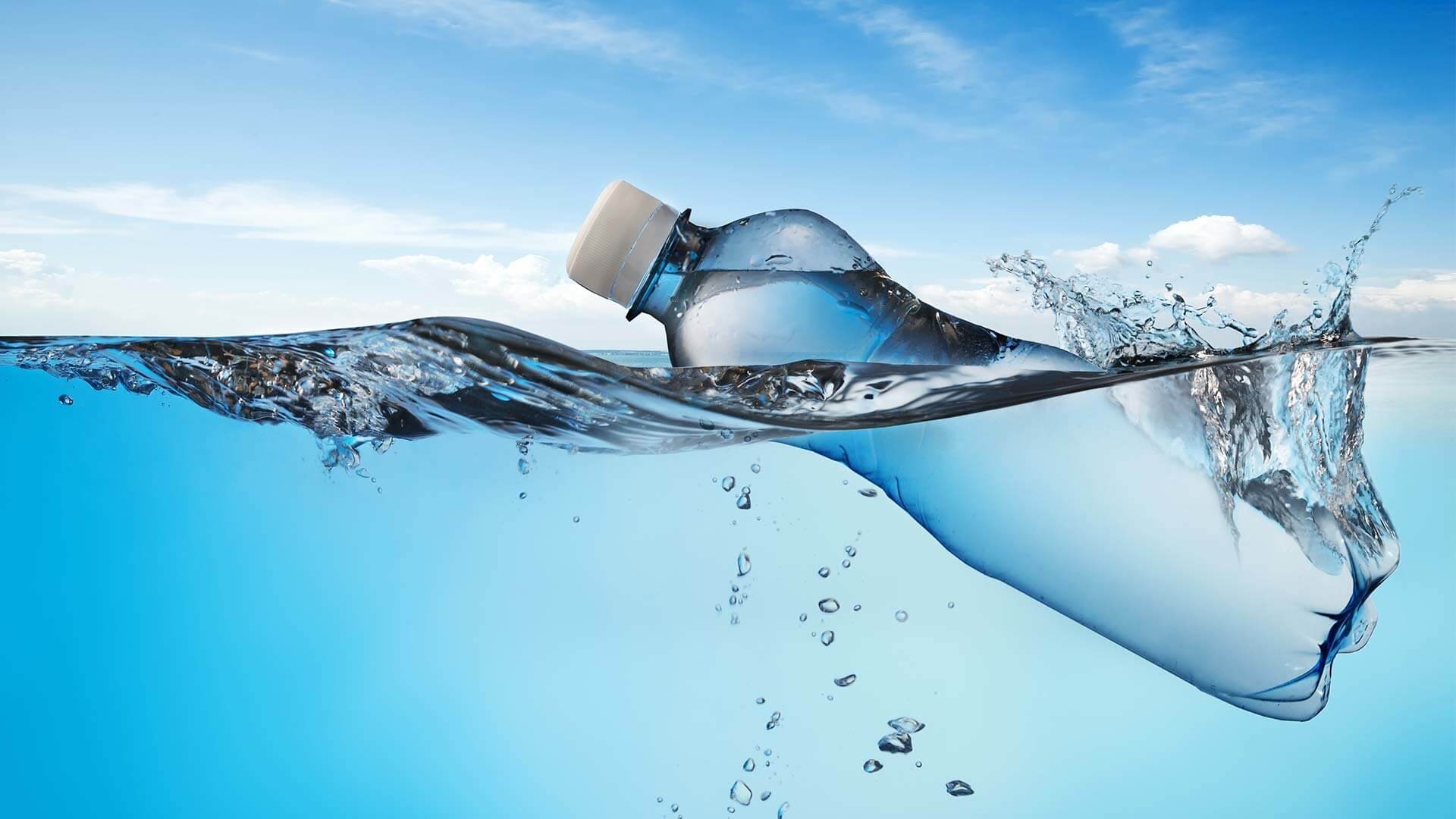
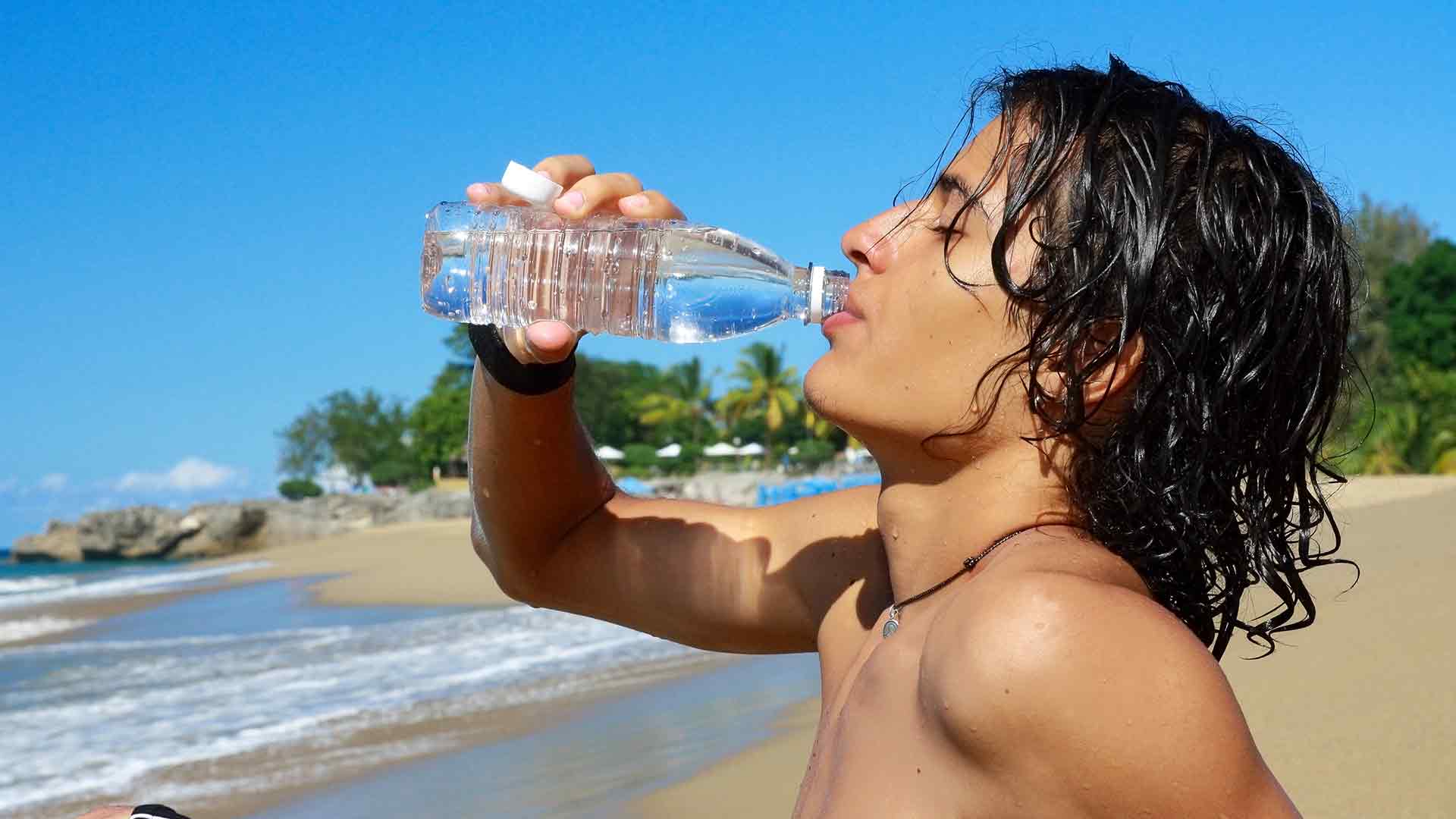
Keeping hydrated can be as simple as drinking enough water.
Divers Alert Network (DAN) recommend the following: Drink a glass of water every 15-20 minutes instead of drinking a litre of water just before or after the dive. This will allow the tissues to be hydrated and consequently avoid the decreased gas exchange which can lead to bubble formation and DCS. How much you actually need to drink depends on many factors, but drinking at least 2 litres extra (in addition to what you normally drink a day) will help you to keep hydrated.
Eating fruit between dives also assists with keeping you hydrated as well.
Try to avoid diuretics such as alcohol, tea, coffee or caffeinated drinks such as cola soft drinks.
Make sure that the water you are drinking is a mineral water. Here in Thailand we have a lot of poor quality water and does not contain many nutrients. It will be a little more expensive however better for you in the long run.
Staying hydrated is not a difficult task. Dehydration is a preventable problem so long as you take the time to drink when you are diving.

Posted in Diving Health on .