Scuba Diving Equipment To Rent or to Buy
You have now fallen in love with scuba diving and you are now looking at getting some of your own equipment. Do you always need to buy or can you rent your scuba diving equipment.
There some things to consider when purchasing you own scuba diving equipment and one of the main questions is if you need to purchase it at all.
Why buy if I can rent – Why rent if I can buy?
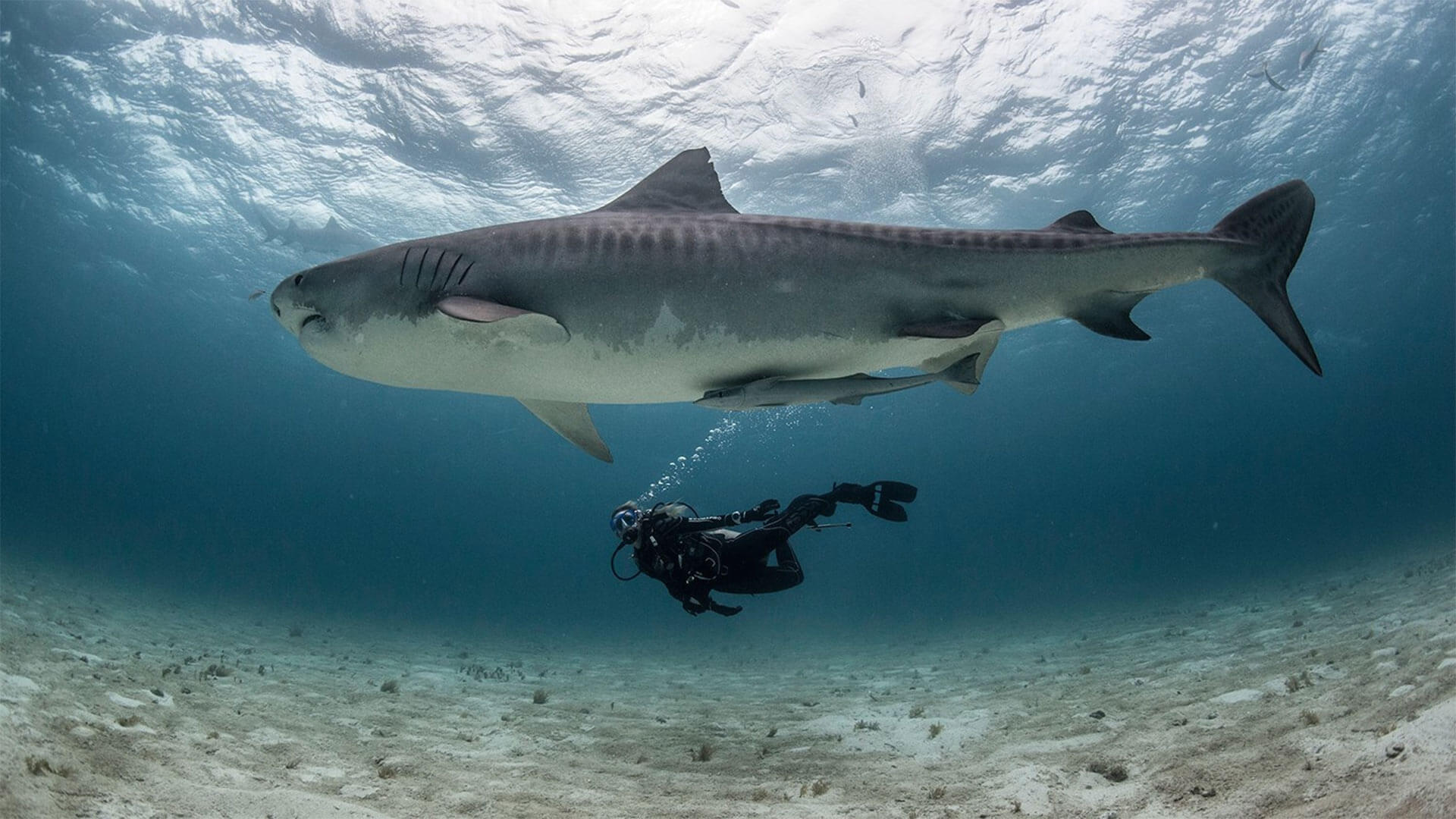 We are Scubapro Video
Should I Buy?
To answer this question you will need to take a look at what type of diver you are or will be.
First you would need to look at the frequency that you will be diving. Will you be diving with you local dive club or just when you travel on you yearly holiday?
As a local diver there are two very good reasons to buy. First is that you will be diving more regularly and second the water temperature / conditions are most likely going to similar each time.
As a traveling diver you will tend to dive less and the conditions may vary significantly depending on your destination.
Regardless of what type of diver you are I personally believe that is nothing else you should consider purchase mask, computer and fins.
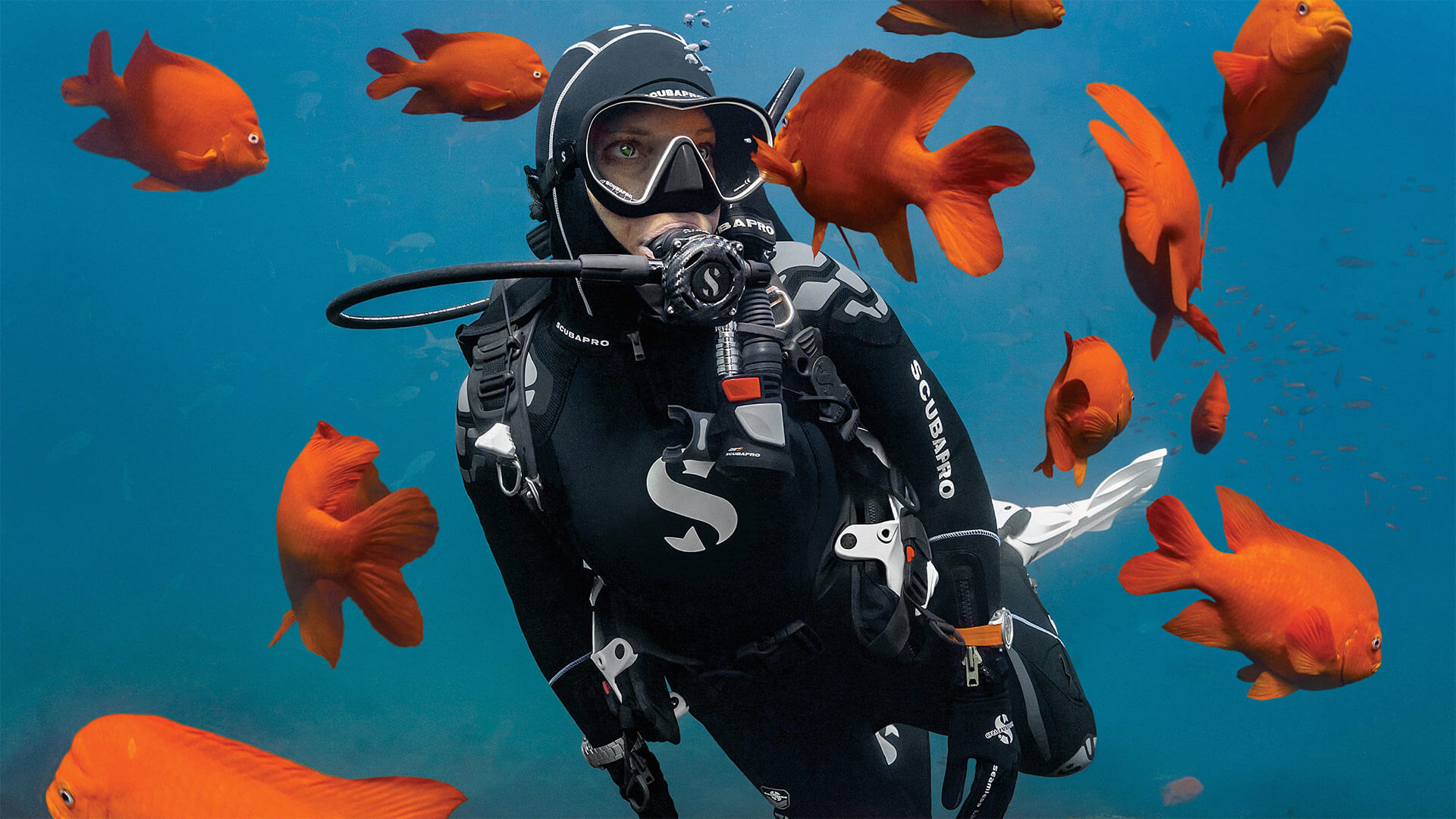 A cool Scubapro Video
Considerations
Cost v Use:
Particularly for the more expensive items you will need to consider if the investment is worth the cost. If you are only diving once or twice a year spending a few thousand dollars may not feasible to purchase those items.
Weight:
Components like, BCDs, Regulators and wetsuits add weight to you luggage if travelling. If these items are going to cost you in excess luggage, that in itself may be more expensive than the rental price. Particularly if you cannot dry them before you return this can add significant weight and cost.
Essential Purchases
Mask:

Scubapro Synergy 2 Mirror Lens Trufit Mask Phuket
If you wear glasses or contact lenses then you can buy a mask fitted with corrective lenses meaning that you can always dive with perfect vision. Prescription mask are quite affordably and are produced by most of the large manufacturers.
Prices: $30 – $200
Fins:
Not only can a good pair of fins give you more comfort and prevent blisters then can also with increased thrust they can improve dive enjoyment and improve air consumption. Often rental fins are of a poorer quality, having less thrust which means you have to work harder to travel the same distance. By working harder you breath more, consuming air faster and shortening your dive.
Although you can purchase fins in both closed and open heal, if you are diving in different locations then the recommendation is to go with open heel fins with boots. They will give you more flexibility as they can be worn in both warm and cold waters.
Prices: $50 – $300
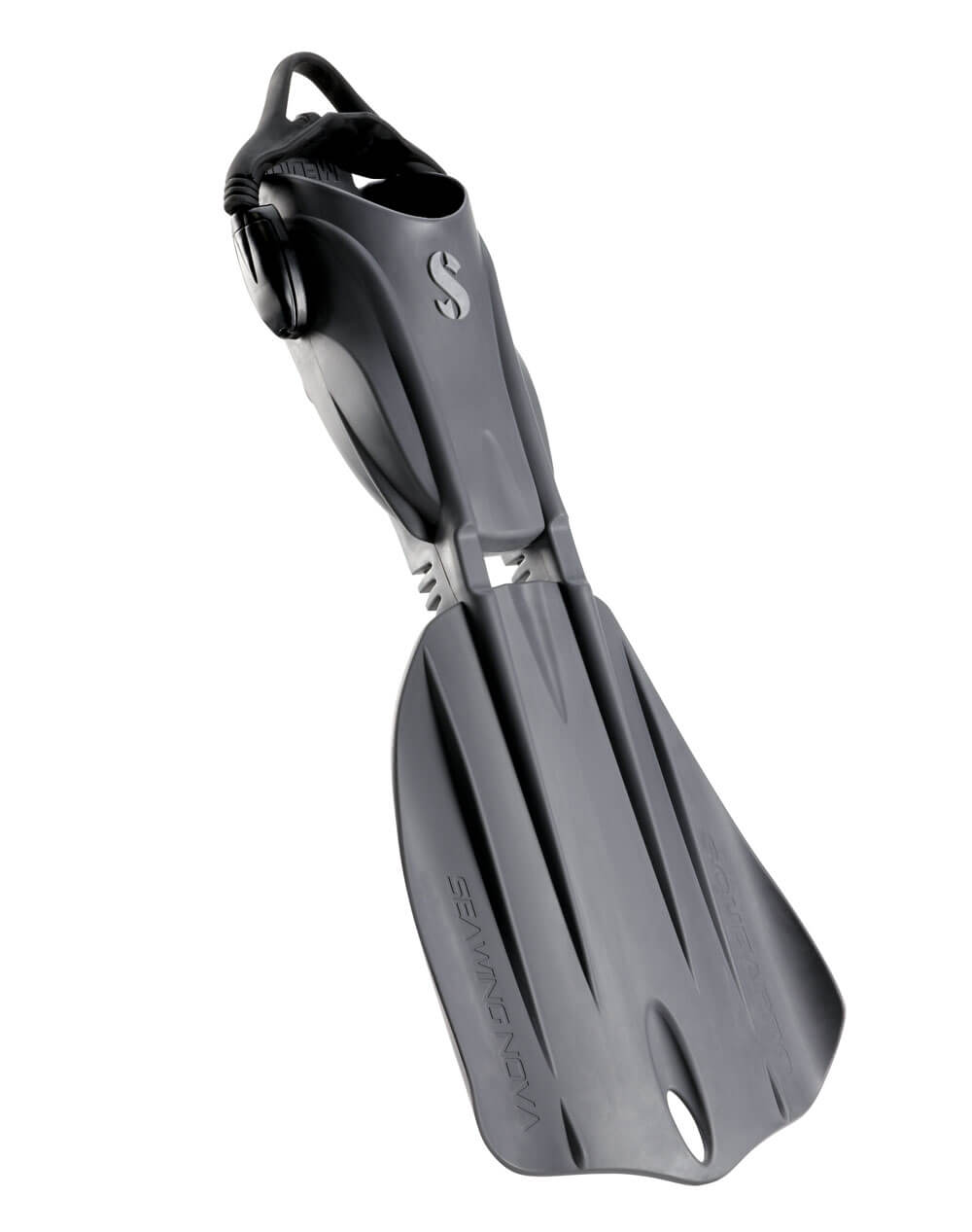
Scubapro Seawing Gorilla Aussie Divers Phuket Display Centre
Dive Computer:
If you want to be a safe and best diver that you can be a dive computer is an essential part of any scuba divers kit.
Prices: $400 – 3,000
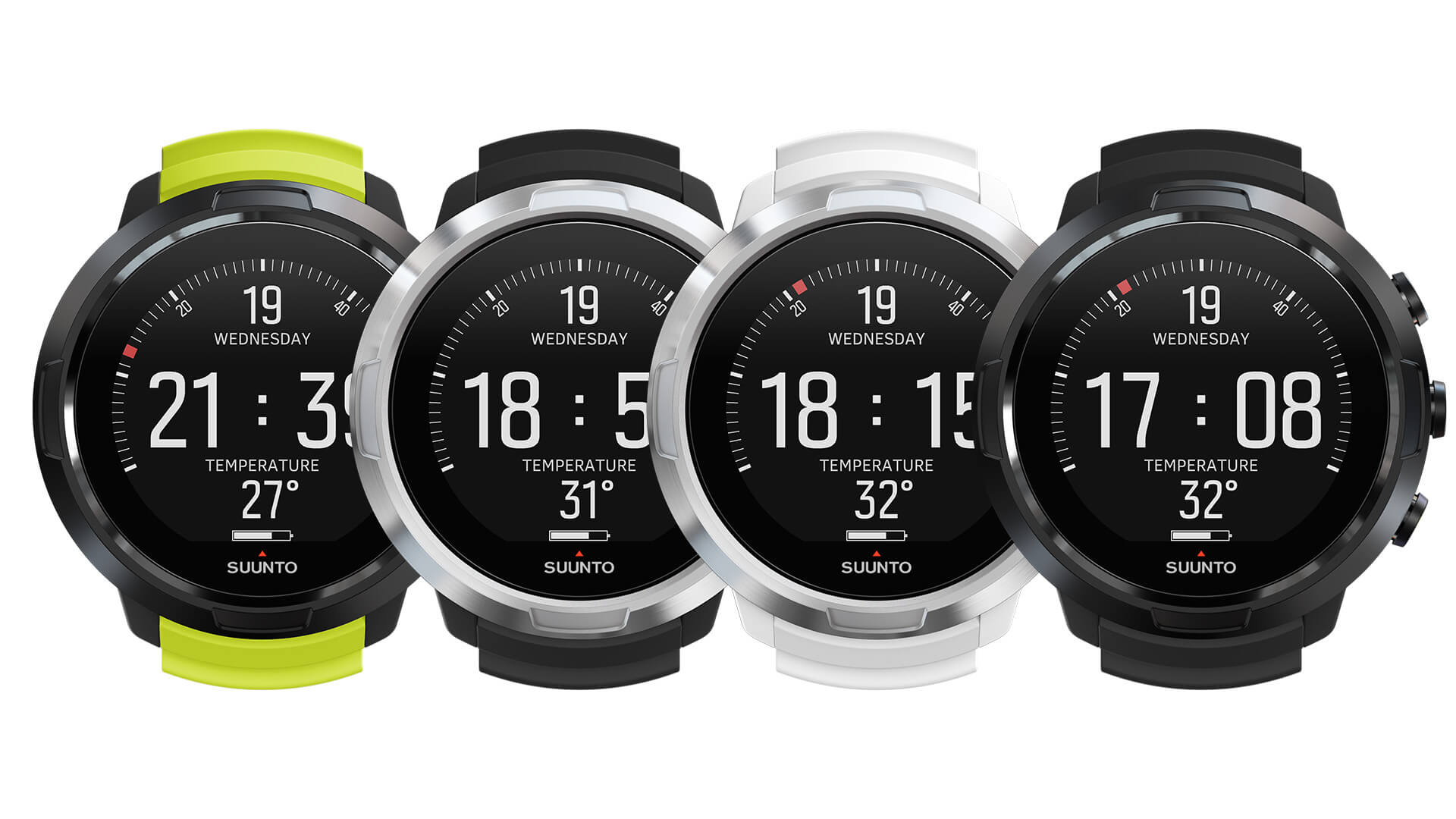
New Suunto D5 Aussie_Divers Phuket
The Next Step:
Wetsuit:
Wet suits are a tough recommendation. There are many styles of wetsuits, semi dry suits and dry suits. This is to match the many different water temperatures around the world. Here in Phuket our water is quite warm at a nice 29 degree Celsius. A lot of regular divers do not wear a wetsuit at all opting for shorts and a rash guard. The rental kit in Phuket is generally a 3mm short wetsuit.
Thermal Protection for Scuba Divers
| WATER TEMPERATURE (C) | FOR NORMAL DIVERS | FOR DIVERS PRONE TO COLD |
|---|---|---|
| 29 Degrees & Above | Possibly not thermal protection required | 3 mm to 1 mm shorty |
| 27 to 29 Degrees | “2 mm shorty to dive skin” | 3 mm to 1 mm fullsuit |
| 22 to 26 Degrees | 3 mm fullsuit to 2 mm shorty | 5 mm to 3 mm fullsuit |
| 18 to 22 Degrees/td> | “5 mm to 3 mm fullsuit” | 5 mm to 3 mm fullsuit |
| 10-18 Degrees | 8/7 mm semi-dry to 7 mm wetsuit | Drysuit |
| 10 Degrees and Below | Drysuit | Stay at home |
As you can see there are many different wet suit options and no right one to suit all conditions.
If you are a local diver and travelling to the same dive areas or water temperatures regularly then it is a no brainier and you should get thermal protection that suits you and water temperature that you will be scuba diving in.
If you will be travelling around to different areas and different water temperatures then it just may be better to rent. Particularly if you are diving in Asian countries where the price of renting a wetsuit is relatively cheap. Dive centres will provide the most appropriate wetsuit for their waters.
Prices $ 50 – $3000 (dry suit)
Regulator:
Regulator are a piece of scuba scuba diving equipment that does have performance improvement from the rental level to the top end level. However this improvement is minimal and often not noticeable and/or will not effect the dive so much.
A few things to consider prior to purchasing a regulator are:
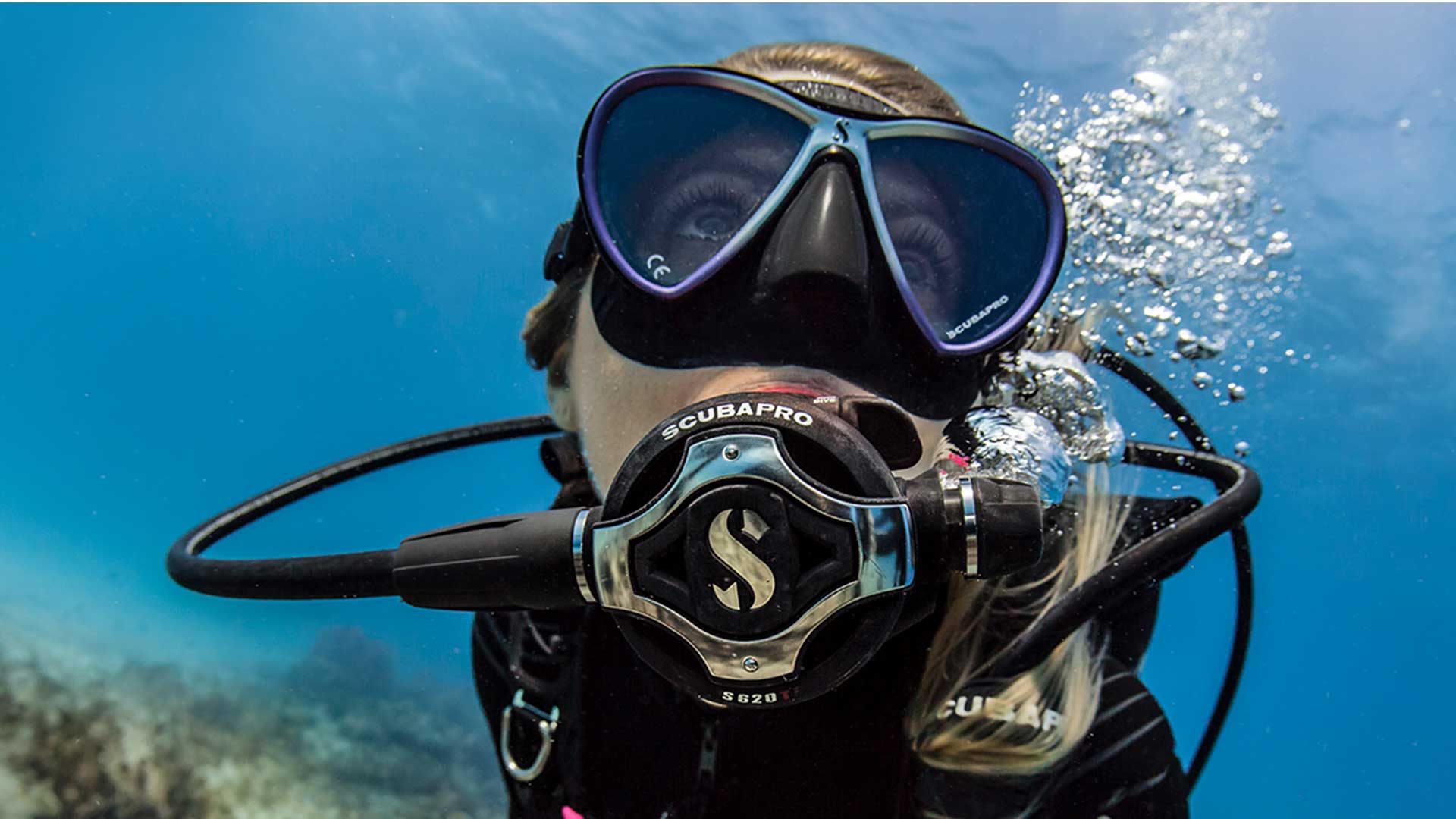
Scubapro Regulator Aussie Divers Phuket
Price v Use. Regulators are not cheap items both to purchase and to maintain. Although it is great to have a regulator if you are not diving often the it may be cost efficient to rent. Professional dive centres should be keeping their regulators well maintained and if you stick to quality dive centres you should have to many problems using rental regulators.
Weight: Regulators will ad considerable weight and room to your luggage. The can add to the cost of luggage as well.
Prices: $500 – $3,000
Lastly:
BCD:
Although there are slight advantages to having a perfectly fitting BCD often you will not feel much change between the different levels.
If you are diving regularly then a own BCD will have some features that may be important to you such as integrated weight systems, extra pockets, d-rings and extra padding.
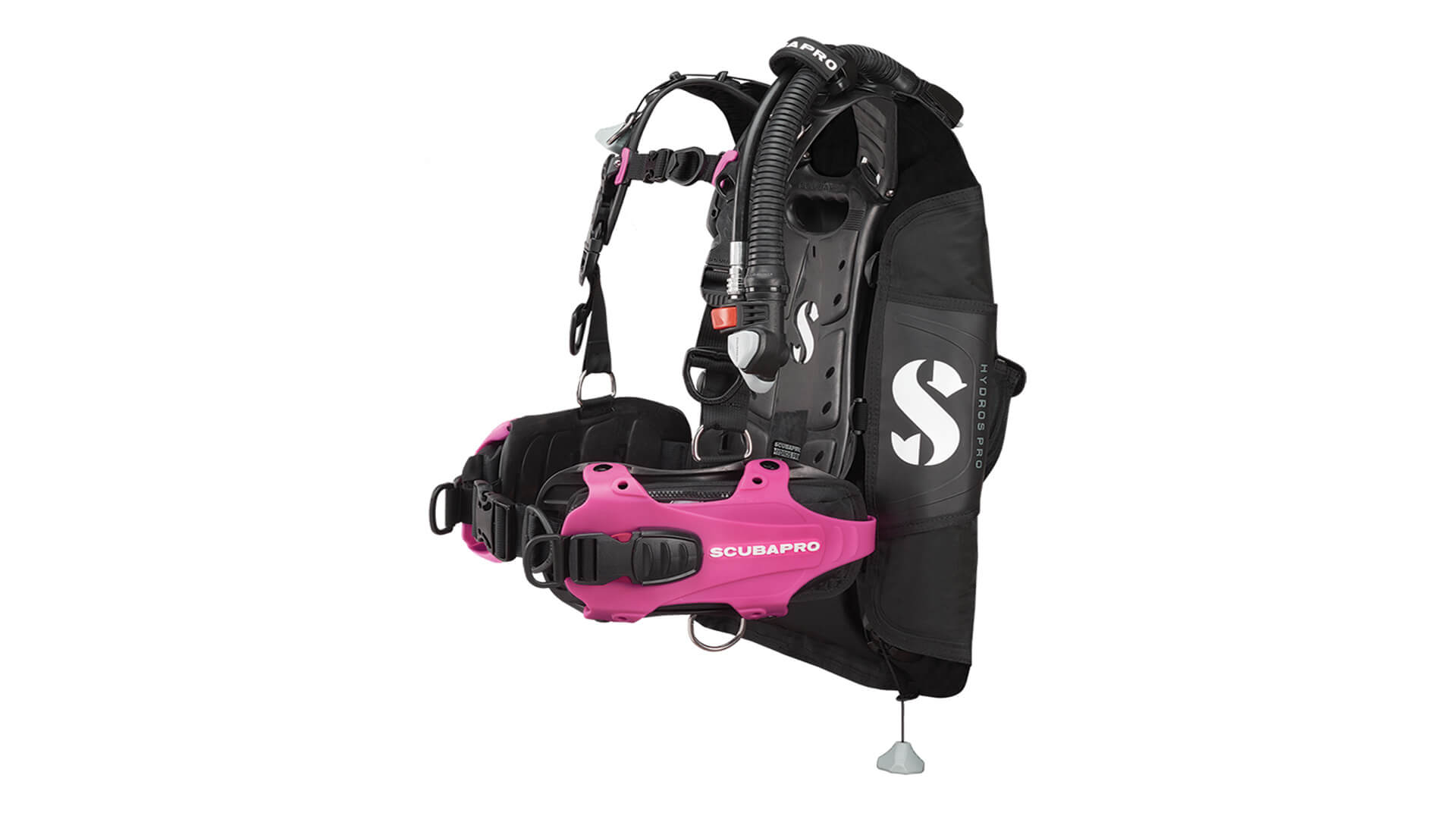
Scubapro Lady Hydros Pink Aussie Divers Phuket
Again it comes down to price v use. BCDs are an expensive item if they are not getting much use.
The BCD is definitely the last piece of scuba diving equipment you should be looking at purchasing.
Prices: $400 – 2,500
Tanks and Weights:
Unless diving locally with friends or on none charted excursions it is rare that a diving centre would not supply tanks and weights. I would not consider buying these items unless you are diving privately off your own boat.

Posted in Everything Else on .