
Dealing with Coral Cuts and Scrapes
Dealing with coral cuts and scrapes can unfortunately be a common part of scuba diving and here is some tips on how to treat them.
Although scuba divers do their best not to touch coral, accident contact does occur. This can cause itching, burning sensations, pain and sometimes rashes. These injuries can take days, weeks, or even months to heal.
Learning good buoyancy control in your PADI Open Water course or by taking the PADI Peak Performancy Buoyancy speciality is a good preventative method for minimising or avoiding coral cuts and scrapes.
If however coral cuts and scrapes do occur here is what we can do to treat these injuries..
What is Happening in the Injury
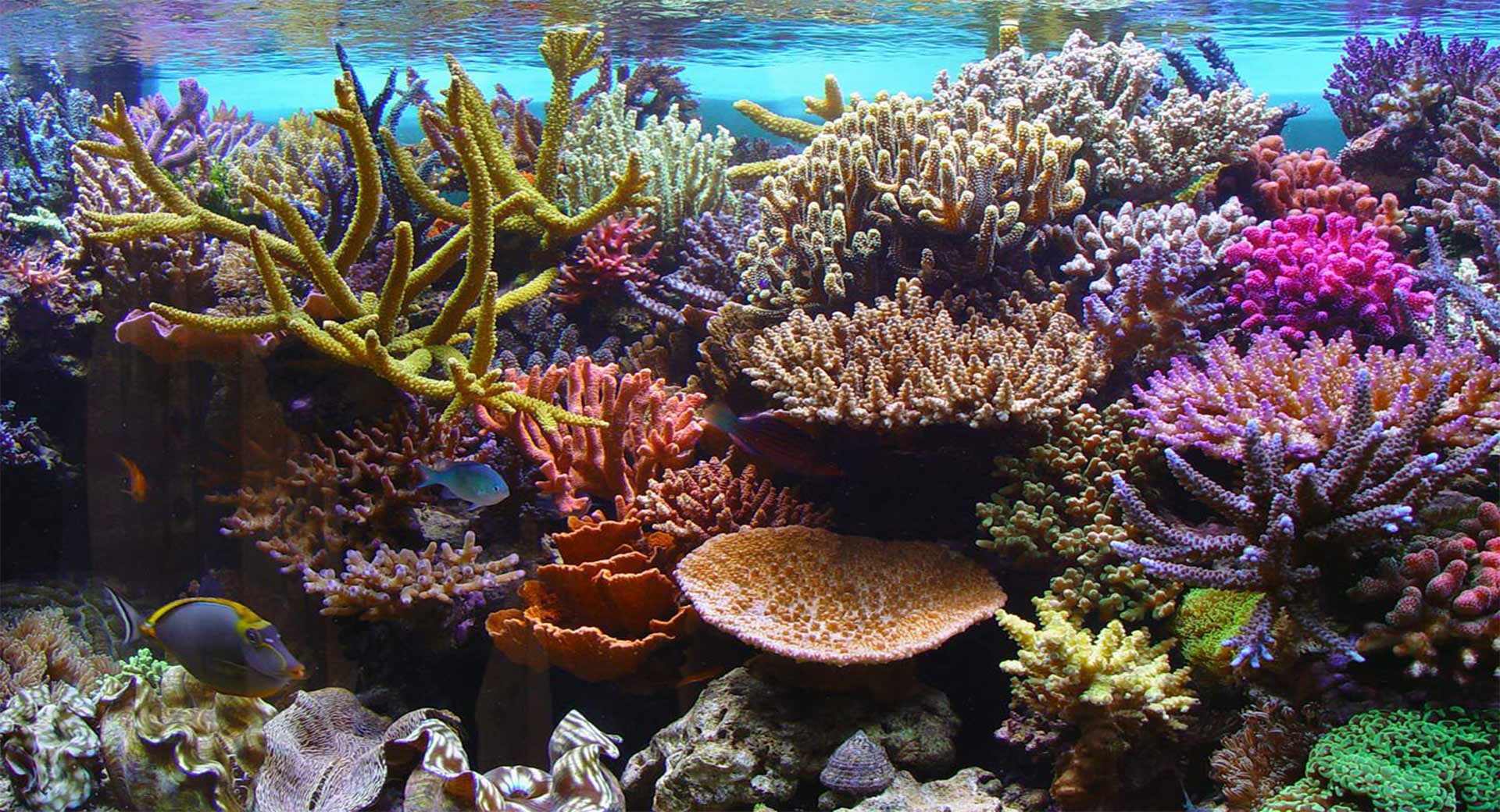
Corals are covered by a soft layer of living tissues, soft coral polyps and algae. The soft layer is situated on top of the hard layer of coral. When you cut yourself on some, the underlying hard layer does the cutting and the soft top layer matter (coral polyps and algae) remains in the cut itself. This is what ends up causing inflammation of the wound and can delay the healing process.
So long as that organic material remains in the wound it will have difficulty in healing. As your body is trying to remove the marine organisms you can get itchy rashes and small red bumps. These are uniquely different to land-based injuries and are often more difficult to treat.

How to Prevent Coral Injuries
Obviously, the best method is prevention, try to avoid coral contact with good buoyancy control. If you are having regular issues then you should be increasing the distance between you and the coral. Wetsuits do assist as a barrier between you and the coral. Ultimately, regular injuries may be due to poor diving techniques and it may be that you should have a professional look at your diving technique or look at a speciality course like the PADI Peak Performance Buoyancy course.
Are some corals more harmful?
The amount that your body reacts to the coral has to do with the amount of toxins in the coral, the size of the abrasion and where it is located. Also, pre-existing sensitivity may contribute.
Corals such as Fire corals are cnidarians (soft-bodied stinging animals such as corals, sea anemones, and jellyfish), so they contain nematocysts. Contacting them with a simple rub can cause mechanical activation and envenomation. The manifestation is usually blistering, which typically appears a few hours after contact.
How to Treat a Coral Injury
- Clean and scrub the cut with soap and water.
- Continue to flush the wound with lots of water. You may need to repeat this a couple of times to ensure the wound is clean.
- If the wound stings, rinse it with acetic acid (vinegar) or isopropyl alcohol to help neutralize any irritating toxins, such as those from fire coral.
- Wash the wound with a 50% hydrogen peroxide/water solution and then flush with fresh water.
- Rinse the area daily and apply an antibiotic ointment, such as bacitracin (Baci-IM), three to four times a day.
- Oral antibiotics may be recommended to prevent infection. Consult with your doctor regarding antibiotics.
If the wound develops a crusty outer, use wet-to-dry dressing changes. Put a dry sterile gauze pad over the wound and soak it with saline or a diluted antiseptic solution (such as 1% to 5% povidone-iodine in disinfected water). Allow it to dry then rip the bandage off the wound. The dead and dying tissue should adhere to the gauze and lift free. The tissue underneath should be pink and may bleed slightly but should be healing. Change the dressings once or twice a day. Use wet-to-dry dressings for a few days or until they become non-adherent. Then resume the regular wound dressing described above.
When to Seek Medical Care for Coral Cuts
When dealing with coral cuts, it is important to know when to seek medical attention. If you experience severe cuts or notice signs of infection, such as increased redness, swelling, or pus, it is crucial to consult a healthcare professional. Additionally, if a wound is not healing or is getting larger, medical treatment is necessary to prevent further complications. In some cases, long-term infections like fish handler’s disease can develop, requiring specialized care and medication.
Particular attention should be given to rapidly progressing infections that produce red blisters. This is especially critical for individuals with certain risk factors, such as alcoholism, as they may be more susceptible to severe infections. Such cases are considered medical emergencies and require immediate attention from healthcare providers to prevent potentially serious outcomes. Always consult a doctor for appropriate treatment options and medication to address any concerns related to coral cuts.

Continuing to dive
Always treat wounds seriously no matter how small they are. Even small wounds can get seriously infected and be detrimental to our health.
It is recommended that you let the wounds heal before continuing to dive.
As always, if you have continued issues or you are not sure please contact your medical practitioner. The cuts and scrapes should be taken seriously.
Read the full article here on the Divers Alert Network website.