
If you’re planning a dive trip to Thailand, one of the most common questions people ask is:
What should I know before booking a diving trip in Phuket?
Whether you’re looking to try scuba diving for the first time, complete a PADI course, or explore Thailand’s famous reefs and liveaboards, there are a few important things worth knowing before booking your trip.
Phuket is one of the world’s most popular dive destinations, but it’s also a large, busy tropical island with very different diving conditions depending on the season, your experience level, and where you stay.
At Aussie Divers Phuket, we’ve helped thousands of divers and students over the years, and these are some of the biggest things we think visitors should know before arriving.
Phuket Is One of the Easiest Places in Asia to Dive
One of Phuket’s biggest advantages is accessibility.
Unlike remote diving destinations that can require multiple domestic flights, overnight ferries, or long transfers, Phuket is incredibly easy to reach. Phuket International Airport has direct international and domestic connections from across Asia, Australia, the Middle East, and Europe.
As Thailand’s second most popular tourist destination, Phuket is extremely well set up for tourism and scuba diving.
That means:
- Large choice of hotels and accommodation
- Easy airport transfers and transport options
- Modern shopping center’s and medical facilities
- International restaurants and nightlife
- Experienced dive professionals and instructors
- Daily diving and training operations year-round
For many people, this convenience is what makes Phuket such a great diving destination.

Phuket Diving Is About Accessibility & Variety
When people think of “world-class diving,” they often picture extremely remote destinations like the Great Barrier Reef, Raja Ampat, the Maldives, or remote Pacific islands.
Phuket is a little different.
While Phuket absolutely offers access to some exceptional diving, including the Similan Islands and Richelieu Rock, what really sets Phuket apart is the ease and variety of diving available.
You can:
- Learn to dive in calm tropical conditions
- Complete professional PADI training
- Join day trips to multiple local dive sites
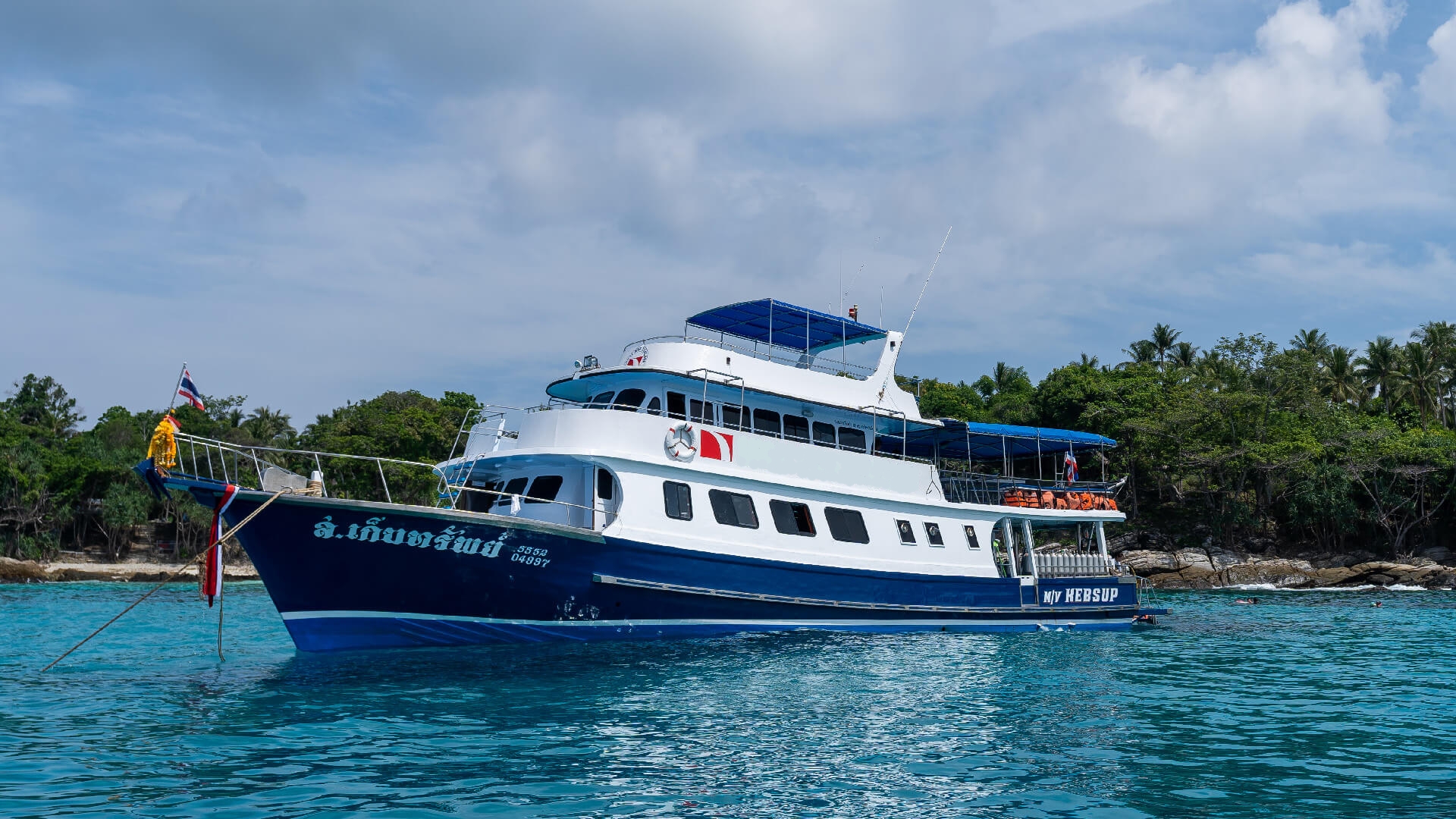
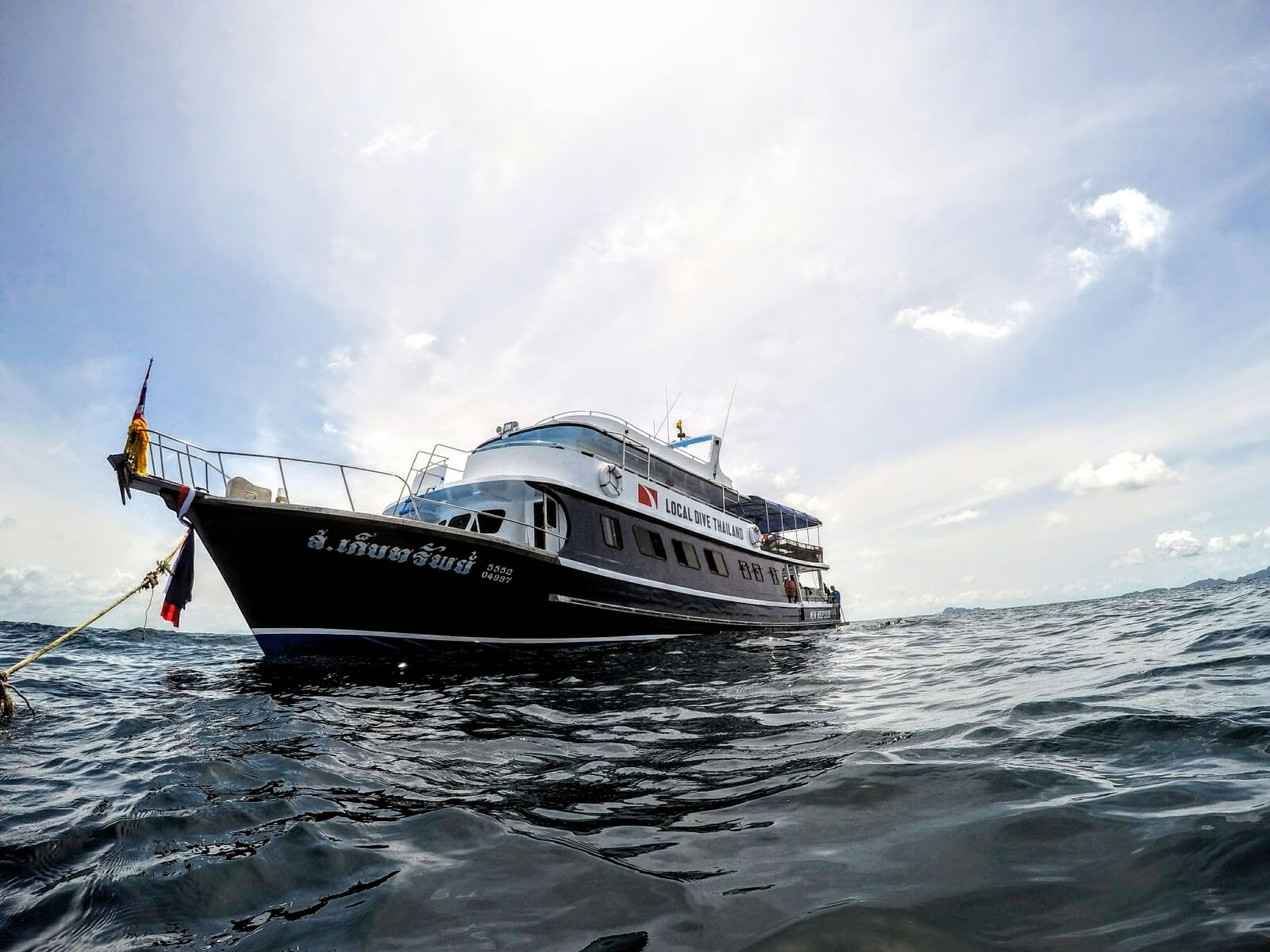
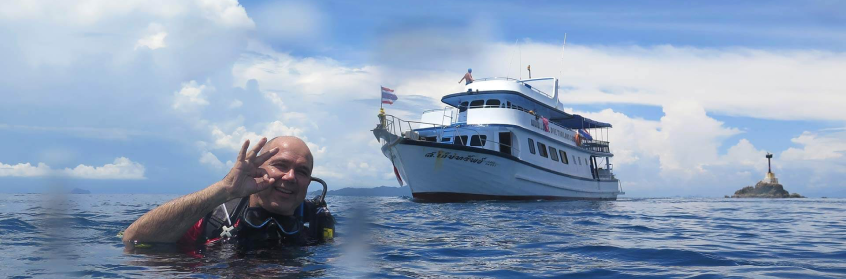
- Experience liveaboard diving
- Dive almost year-round
- Combine diving with a normal holiday
That balance of accessibility, tourism infrastructure, and good diving conditions is what keeps many divers returning to Phuket year after year.
Phuket Is Bigger Than Most Visitors Expect
One thing many visitors underestimate is the size of Phuket.
The island is much larger than people often realise, and traffic can become very busy, especially during high season.
If you are planning:
- A PADI Open Water course
- Multiple days of diving
- Professional dive training
- Early morning dive boat departures
…it is usually best to stay in the southern areas of Phuket.
Areas such as:
- Chalong
- Rawai
- Nai Harn
- Kata
- Karon
are generally far more convenient for diving operations compared to staying in the northern parts of the island.
Ideally, staying close to Chalong Pier can make early morning pickups, transfers, and multi-day training significantly easier and less tiring.
Some visitors choose Patong for nightlife and entertainment, which is completely fine, but it’s worth understanding that daily travel times to dive boats can be much longer from central or northern Phuket.
The Best Time of Year for Diving in Phuket
The best diving conditions in Phuket are typically during the dry season, from around November through to early May.
During this period, divers usually experience:
- Calmer seas
- Better visibility
- More reliable weather
- Greater access to offshore dive sites
- Similan Islands liveaboard season
This is considered Phuket’s peak diving season and generally offers the best overall conditions.
Visibility can regularly range from 15–30 metres depending on the dive site and conditions.
Can You Dive During the Monsoon Season?
Whether you are completing a diving course or visiting Phuket as a certified diver, diving operates year-round in Phuket, including throughout the monsoon season. Rain alone rarely affects the diving itself, and sheltered local dive sites such as the Racha Islands remain accessible and diveable on most days of the year
One of the biggest misconceptions about Phuket is that diving completely stops during the monsoon season. In reality, diving operates almost every day of the year.
However, conditions during the monsoon season (roughly May to October) can be more variable.
This may include:
- Rougher surface conditions
- Reduced visibility
- Stronger currents
- Weather-related dive site changes
- Limited access to some open ocean dive sites
During this time, diving often focuses more heavily on sheltered local sites such as the Racha Islands.
While conditions may not always be as calm or clear as peak season, many divers still enjoy excellent diving throughout the green season, often with fewer tourists and quieter boats.
Phuket Is Busy — Very Busy
For divers considering a career in the dive industry, Phuket is one of the best places in Thailand to Another important thing to understand before booking a dive trip is that Phuket is not a remote tropical island.
It’s one of the busiest tourism destinations in Southeast Asia.
Phuket has a resident population estimated around 400,000–500,000 people, while welcoming approximately 15–17 million domestic and international visitors each year.
That level of tourism brings positives:
- Huge range of accommodation
- Great restaurants and nightlife
- Excellent tourism infrastructure
- Easy travel connections
- Competitive pricing and choice
But it also means:
- Traffic can be heavy
- Popular tourist areas can feel crowded
- Some boats and operators can become very busy during peak season
This is one reason many divers choose smaller or premium dive operators that focus on reduced numbers, better service, and less crowded experiences.
Choosing the Right Dive Experience
Not all diving in Phuket is the same.
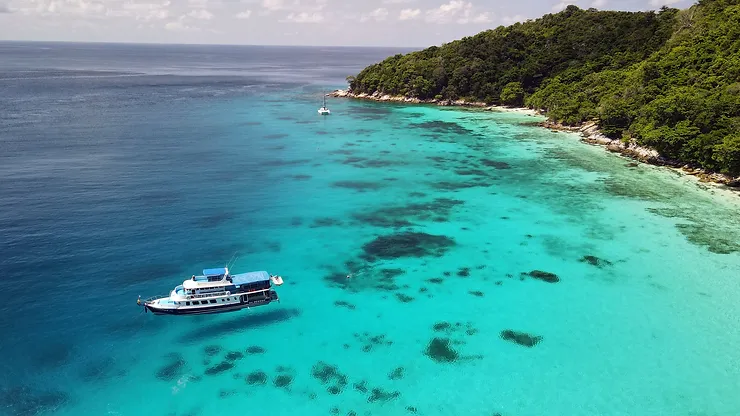
Some visitors are looking for relaxed beginner-friendly diving with clear water and easy conditions at the Racha Islands. Others want marine life-focused diving at Shark Point and Phi Phi, while experienced divers may prefer a Similan Islands liveaboard adventure.
Before booking, it’s worth considering:
- Your certification and experience level
- How long you are staying in Phuket
- Whether you want training or fun diving
- Your comfort in currents and open ocean conditions
- The type of marine life you hope to see
- Your budget and preferred boat style
The best dive experience is usually the one that matches your expectations and comfort level.
Phuket Offers More Than Just Diving
One reason Phuket remains so popular with divers is because it combines diving with a complete holiday destination.
On non-diving days, visitors can enjoy:
- Beaches and island tours
- Thai food and local markets
- Beach clubs and nightlife
- Cultural attractions and temples
- Spas and wellness retreats
- Snorkelling and boat trips
- Shopping and cafés
For couples, families, and groups with mixed interests, Phuket works extremely well because there is plenty to do both above and below the water.
Final Thoughts
Phuket may not be the most remote dive destination in the world, but that’s also part of its appeal.
It offers easy access, year-round diving, excellent tourism infrastructure, professional dive training, and a huge variety of underwater experiences suitable for almost every level of diver.
Whether you want to try scuba diving for the first time, complete your PADI certification, improve your skills, or explore Thailand’s famous reefs and liveaboards, Phuket remains one of the most accessible and versatile scuba diving destinations in Asia.