
Why We Should Help Save All Sharks
Sharks are an essential part of our marine ecosystems, yet today, 32% of shark species are endangered or threatened with extinction. Often misunderstood and feared, these magnificent creatures play a crucial role in maintaining the health and balance of our oceans.
In this blog, we will explore the reasons why it is vital to help save all sharks, highlighting their ecological importance, the threats they face, and the actions we can take to ensure their survival. By understanding the true value of sharks, we can work together to protect them and preserve the rich biodiversity of our planet’s oceans for future generations.
Phuket’s Shark Population and the Importance of Conservation
Phuket and its surrounding areas are home to a variety of fascinating sharks that divers can encounter. The most commonly seen species include Blacktip Reef sharks and Leopard sharks.
Blacktip Reef Sharks
The Phi Phi Islands are one of the best places to observe Blacktip Reef sharks, especially along Palong Wall on Phi Phi Ley. On a good day, divers might see up to 20 or 30 sharks, creating an unforgettable experience. These sharks often swim in shallow waters, making them easily visible to both novice divers and snorkelers.

Leopard Sharks
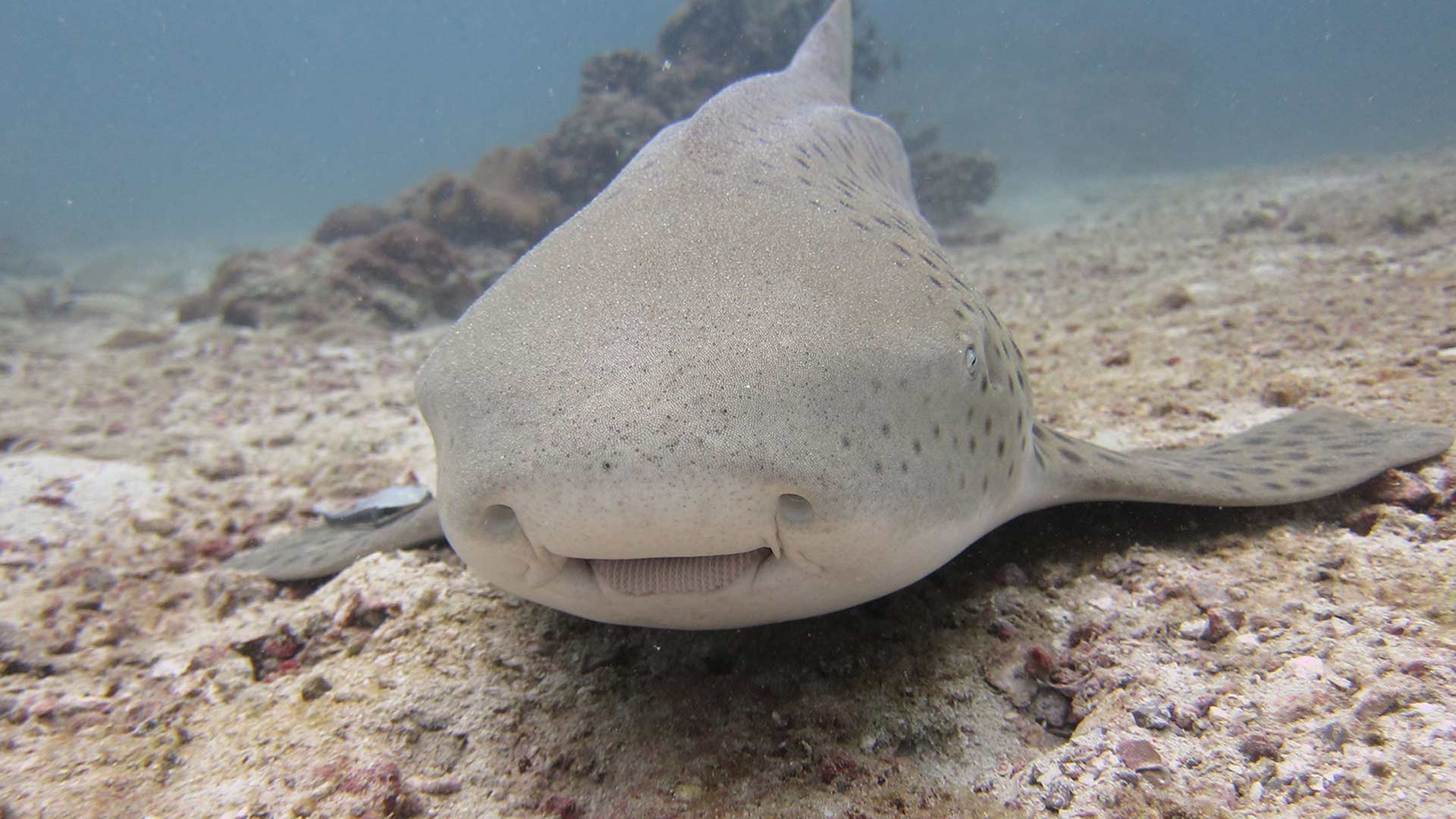
Leopard sharks are among the most popular species in the region. They are often found resting on the seabed at around 20 meters and are known for their docile nature, making them ideal subjects for underwater photography. If approached calmly, divers can get within a few meters of these sharks without disturbing them. The best spots to see Leopard sharks are around Koh Bida Nok and Koh Bida Nai near Phi Phi. Shark Point was once a renowned location for Leopard sharks, although their numbers have decreased there recently. Leopard sharks also frequently appear at Anemone Reef and can be found in the Similan Islands. Recently, sightings have been reported at Koh Racha Noi and Koh Racha Yai.
Bamboo Sharks
The small, gray Bamboo sharks are found throughout the area, with a significant population at Koh Doc Mai. They typically hide under rocks and in crevices in deeper waters, around 20 meters. Bamboo sharks are skilled at hiding, so spotting them can be a challenge. They are usually found alone, but occasionally gather in groups of five or six.
Other Sharks
White Tip Reef sharks are not common in the region but can sometimes be spotted in the Similan Islands, especially around Koh Bon.
Whale Sharks
The elusive Whale Shark, often considered the “holy grail” of shark sightings, makes occasional appearances in the area. Although not regular visitors, they are more frequently seen at day trip sites between July and September. Richelieu Rock in the north and Hin Daeng and Hin Muang in the south are hotspots for Whale Shark sightings.

Conservation Challenges
Unfortunately, shark populations in Phuket and throughout Thailand have been declining, largely due to overfishing. The exact reasons are not entirely clear, but it is assumed that human activities, such as overfishing, play a significant role. Education and conservation efforts, like those taught in the Project AWARE Shark Conservation Distinctive Specialty Course, are crucial in understanding and addressing these issues.
Sharks: An Ancient and Diverse Group
Sharks first appeared in the world’s oceans over 400 million years ago, long before the dinosaurs roamed the Earth. Modern sharks emerged around 100 million years ago. Today, there are approximately 500 species of sharks, ranging from the tiny dwarf lantern shark, which measures about 7 cm, to the Whale Shark, the world’s largest fish, which can grow up to 12 meters.

Threats to Sharks
According to the Red List Review, 30% of sharks, rays, and chimaeras are threatened or near threatened with extinction. Several traits make sharks particularly vulnerable to overfishing:
- Sharks take a long time to reach sexual maturity.
- They have long gestation periods, often one to two years.
- Sharks produce a small number of offspring (pups) and breed only every second or third year.
Compared to other vertebrates, sharks have a slow reproductive cycle, similar to that of whales, elephants, and birds. This slow strategy works well under natural conditions but becomes problematic when shark populations need to recover from overfishing or other significant losses.
Vulnerability to Overfishing
Another factor contributing to sharks’ vulnerability is their tendency to form groups based on age, sex, and maturity. Older females produce more and stronger pups than younger ones, so their removal through fishing can severely impact population numbers.
Sharks play a critical role in maintaining marine ecosystems by keeping prey species balanced and removing sick, injured, and diseased animals. Overfishing is the primary cause of the rapid decline in shark populations. It is estimated that between 26 and 73 million sharks are killed each year for the global shark fin trade.

The Shark Fin Trade
Shark fin soup is a status symbol in Chinese culture, historically reserved for emperors. Today, it signifies wealth and honor when served to guests. The demand for shark fins is increasing due to rising incomes, outpacing supply and driving the global depletion of shark populations.
Shark fins are among the world’s most valuable fisheries products, with processed fins fetching hundreds of dollars per kilogram. Shark finning, the practice of removing fins and discarding the body at sea, continues despite bans in many countries, due to poor monitoring and regulations.
Economic Benefits of Shark Conservation
Sharks also provide significant economic benefits as tourist attractions. When managed sustainably, they can contribute to local economies and ecosystems for the long term. For example:
- In Palau, sharks contribute $18 million annually to the economy through dive tourism. A single reef shark can generate an estimated $1.9 million over its lifetime compared to a one-off value of $108 when fished.
- In the Maldives, each grey reef shark is worth $3,300 per year to tourism, compared to $32 when fished.
- In the Bahamas, sharks have brought $800 million into the economy over 20 years, with a single reef shark valued at $250,000 over its lifetime, compared to $50-60 if fished.
Tourism can increase appreciation for sharks and promote conservation efforts, leading to better protection for shark species worldwide.

Dispelling Myths: Sharks Are Not Mindless Killers
Sharks have long been misunderstood as dangerous predators. Movies like “Jaws” have perpetuated this fear, leading to widespread retaliation against sharks. However, most shark species are not a threat to humans. Only about ten of the 500 species are known to attack humans, with incidents often resulting from mistaken identity or exploratory behaviour.
Sharks rarely attack humans and even less frequently consume them. Most attacks consist of a single bite, after which the shark realizes we are not their typical prey. When we swim in the ocean, we enter the shark’s natural habitat. Understanding this can help shift perceptions and reduce unwarranted fear.

Taking Action to Protect Sharks
We can all play a role in shark conservation by:
- Getting involved with organizations like Project AWARE.
- Supporting campaigns and marine protected areas.
- Educating others about the importance of sharks.
- Choosing not to eat shark fin soup.
- Avoiding products containing shark derivatives.
- Signing petitions to protect sharks and their habitats.
By working together, we can help ensure the survival of these magnificent creatures and maintain the health of our oceans.