
Low Season Diving in Phuket
Scuba diving in Phuket is a year-round adventure, and the low season, often referred to as the monsoon or wet season, is no exception. At Aussie Divers Phuket, we dive almost 365 days a year, taking advantage of the unique experiences each season offers. Contrary to popular belief, the rain during the low season does not significantly impact the quality of diving.
In fact, this time of year can offer some of the most rewarding and serene underwater experiences, with fewer crowds and vibrant marine life. In this blog, we explore the benefits and highlights of scuba diving in Phuket during the low season, and why it might just be the perfect time for your next dive trip.
Dont let the forecasts fool you
When planning a trip to Phuket, don’t always rely on online weather forecasts. Due to the high humidity of our tropical climate, many weather websites and apps predict thunderstorms and rain year-round. These forecasts are often inaccurate, with predictions being correct only about 40% of the time.
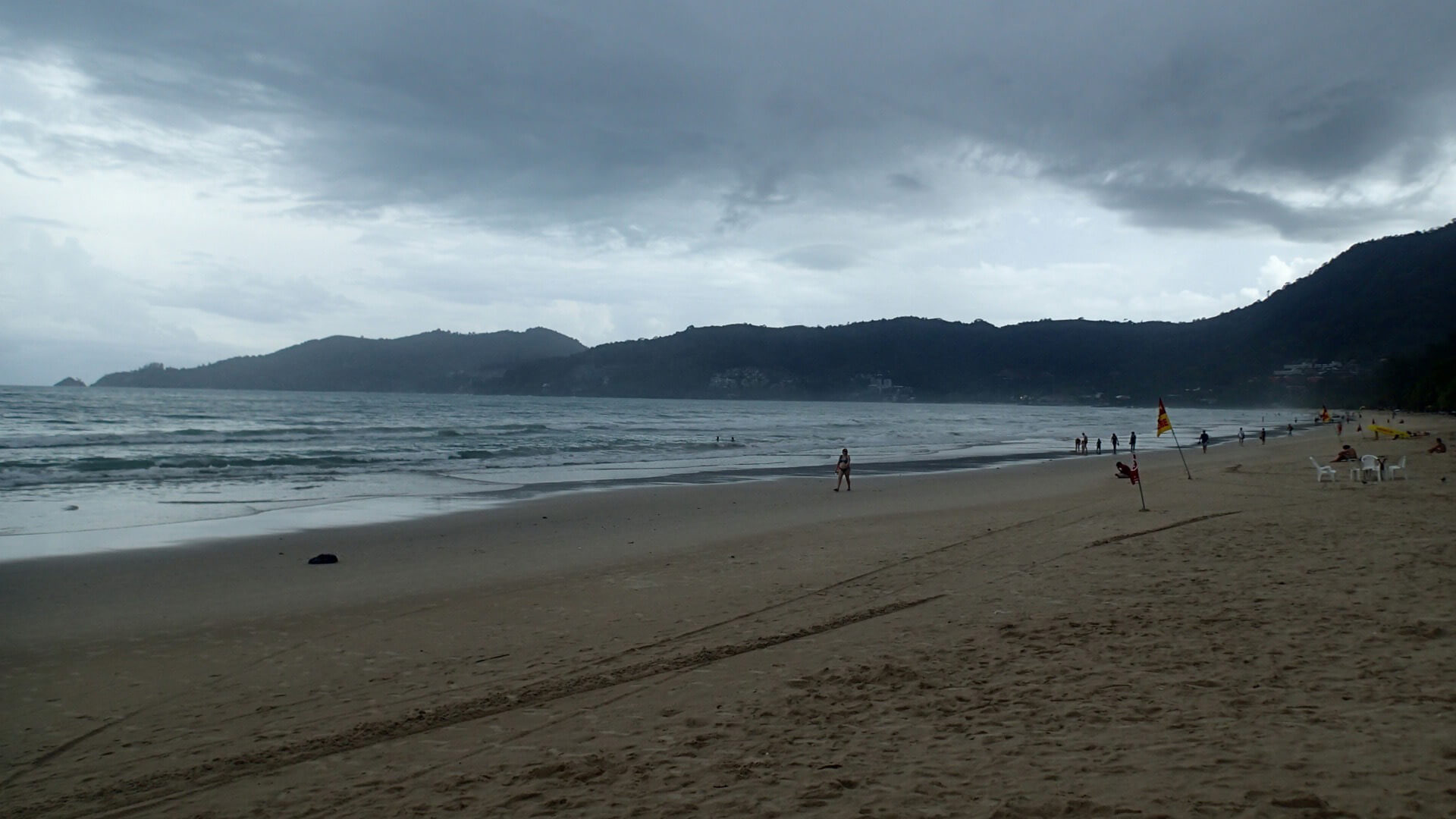
Despite what the forecasts say, we often enjoy plenty of sunny days during the monsoon season. The diving conditions can remain excellent, with clear waters and vibrant marine life. Additionally, the beaches are less crowded, and you can take advantage of lower airfares and accommodation rates. It’s truly a win-win situation for those willing to explore Phuket in the off-peak season!
For more reliable weather information, we recommend using the site Windguru, which provides detailed marine forecasts, including wind and wave conditions. Understanding how to interpret these forecasts can help you plan your diving activities more effectively. We’ve written a helpful blog to guide you through using Windguru, which you may find beneficial. With the right information, you can make the most of your diving experience in Phuket, no matter the season.
A Quick Video On Understanding Windguru
Diving in Low Season
In Phuket, diving is a year-round activity, and we are in the water almost every single day. The only exceptions are New Year’s Day and Songkran (Thai New Year), when our operations are closed for business.
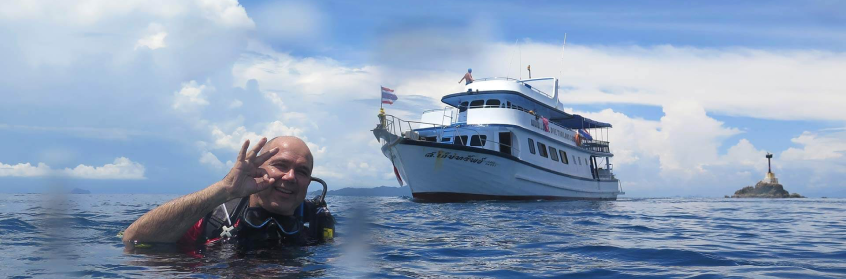
From May to October, Phuket experiences its wet or monsoonal season. Despite the rain, this period still offers excellent local diving opportunities. One of the perks of diving during the low season is the reduced number of people on the boats and at dive sites, allowing for a more serene and personal diving experience.
While the weather can be unpredictable, with some days bringing heavy rain and wind, the majority of days during the “wet season” are sunny and pleasant. Many of our storms occur overnight or in the early morning when temperatures cool, leaving the days perfect for diving. Additionally, because our dive sites are located a considerable distance from Phuket, it’s not uncommon for it to be raining on the mainland while the dive sites enjoy clear skies. The Racha Islands are about 20-30 km south of Phuket, and Phi Phi is more than 40 km to the southeast, often enjoying different weather patterns.
The low season offers not only great diving conditions but also the chance to explore these beautiful sites without the hustle and bustle of peak season crowds. So, even during the monsoon season, you can still experience the best of Phuket’s underwater world.
Diving Options for Wet Season in Phuket
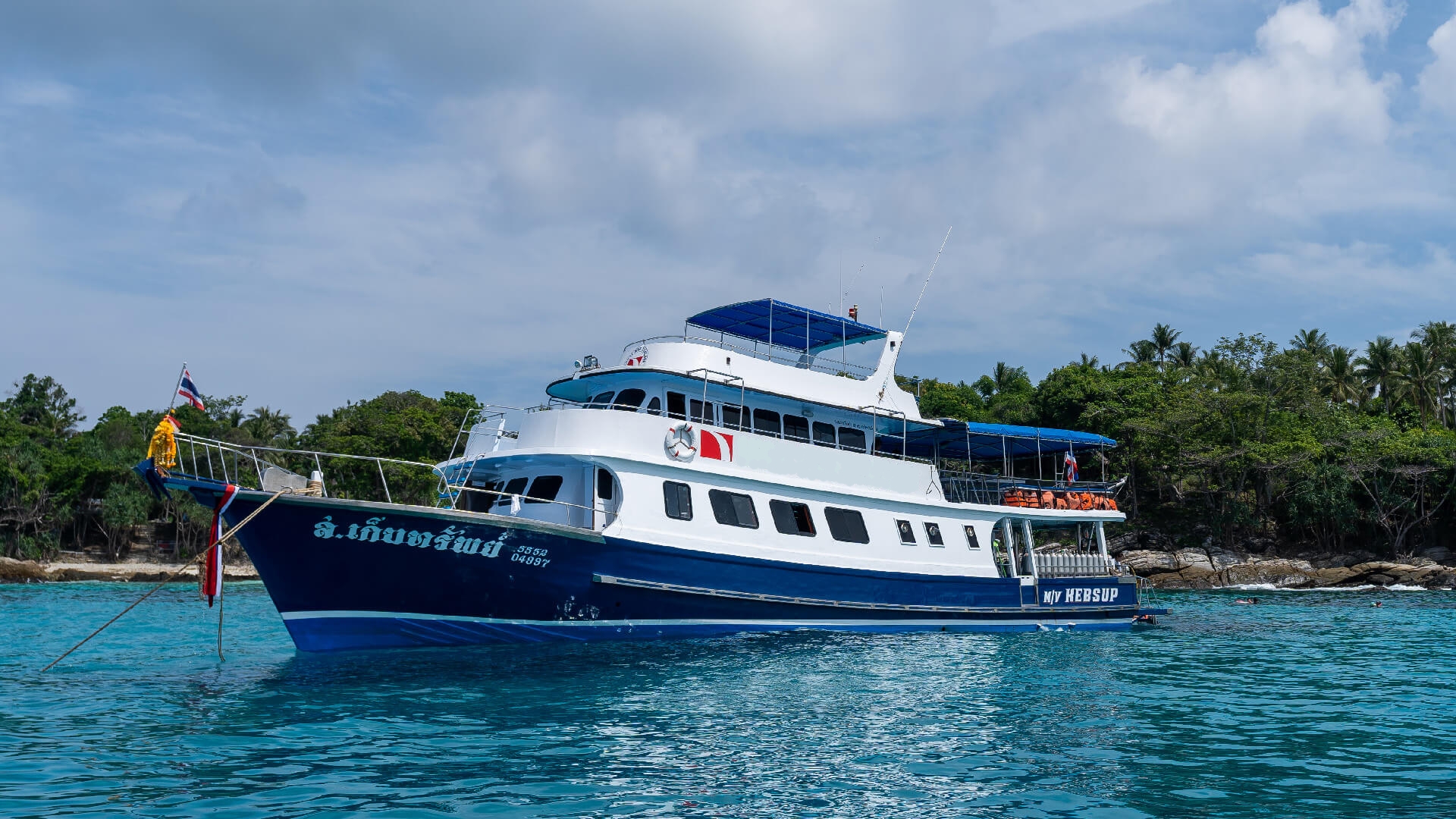
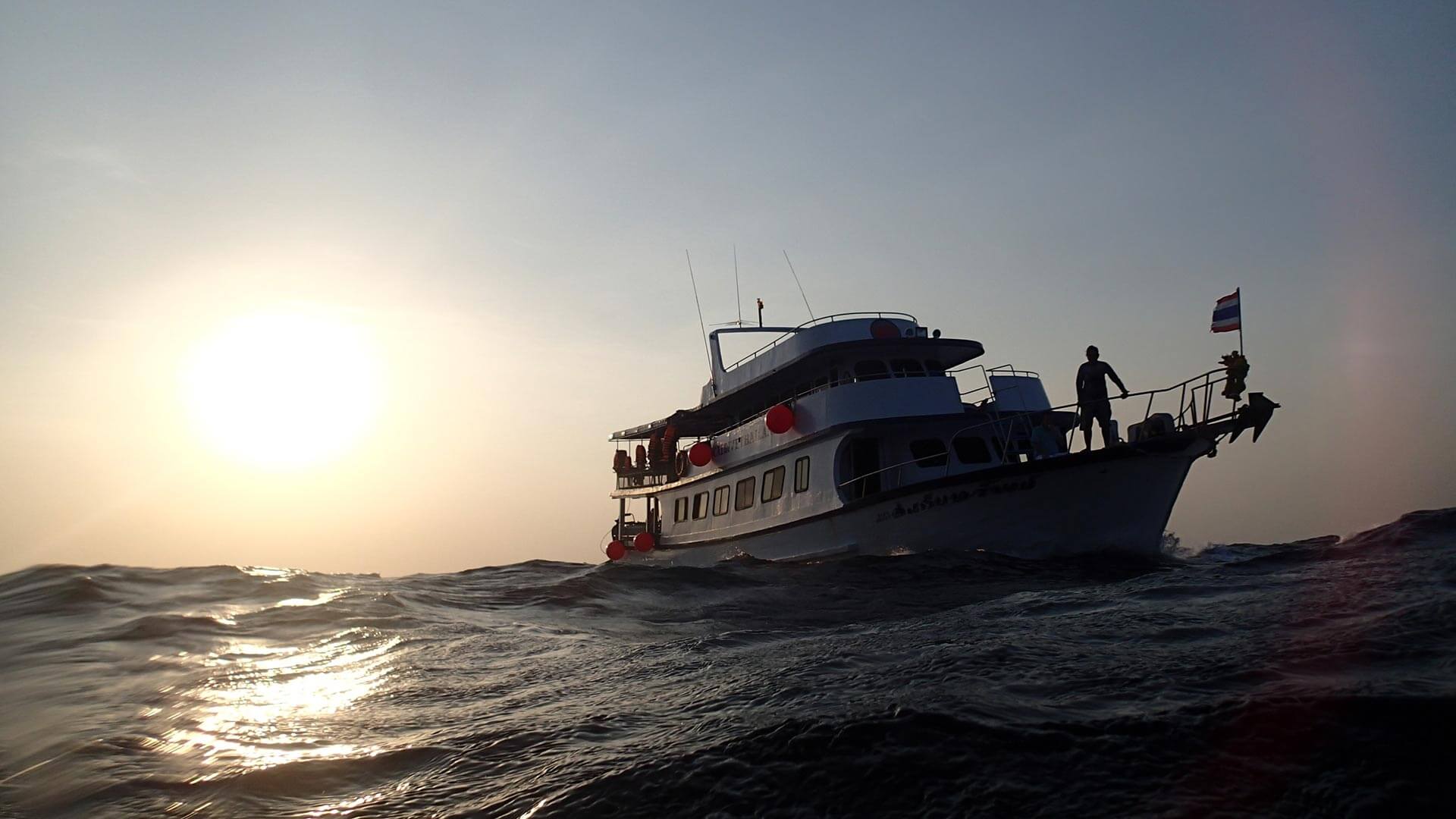
Our scuba diving day trips to sites like Racha Noi/Yai & Phi Phi still run all year round. Most of the monsoonal weather arrives from the West. Of course, the weather is not always ‘perfect’ in the wet season and the oceans may be a little bumpy on the boat trip to and back from the dive sites. A lot of our dive sites though do offer good protection from the weather coming from the west. Once you reach the sites the oceans will be nice and calm and mostly flat. Wet-season can also surprise us with many days being just as nice as our dry season.

Racha Islands
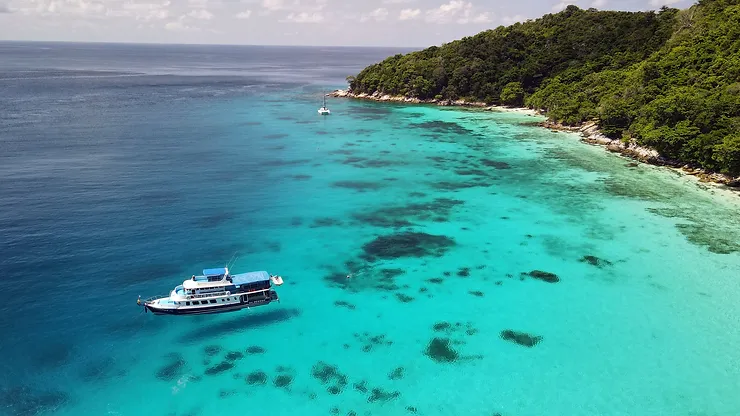
The Racha Islands are an excellent choice for diving during the wet season, offering some of the better underwater conditions thanks to their strategic location. The eastern side of the islands provides natural protection from the westerly monsoonal weather, making it an ideal spot for diving when other areas might be too turbulent. This shelter from the elements ensures that divers can enjoy calm and serene waters, even during the wettest months.
The journey to the Racha Islands takes approximately 90-120 minutes, with most of the trip being protected from the wind and waves. Only about 30-50 minutes of the journey occurs in the open ocean, which can be a bit bumpy, but once you reach the eastern side of the islands, the waters become calm again. This makes the Racha Islands a comfortable and accessible destination for divers looking to explore Phuket’s underwater treasures during the monsoon season.
One of the standout features of diving at the Racha Islands during the wet season is the impressive visibility. Unlike other locations, the Racha Islands experience minimal freshwater runoff, which means the water remains clear even after heavy rains. Divers can often enjoy visibility ranging from 20 to 30 meters or more, providing breathtaking views of the vibrant marine life and stunning coral formations that inhabit these waters.
Overall, the Racha Islands offer a fantastic diving experience during the monsoon season, combining favourable weather conditions, excellent visibility, and the chance to explore some of the region’s most beautiful dive sites. Whether you’re a seasoned diver or a beginner, the Racha Islands are sure to provide a memorable underwater adventure.
Phi Phi & Shark Point
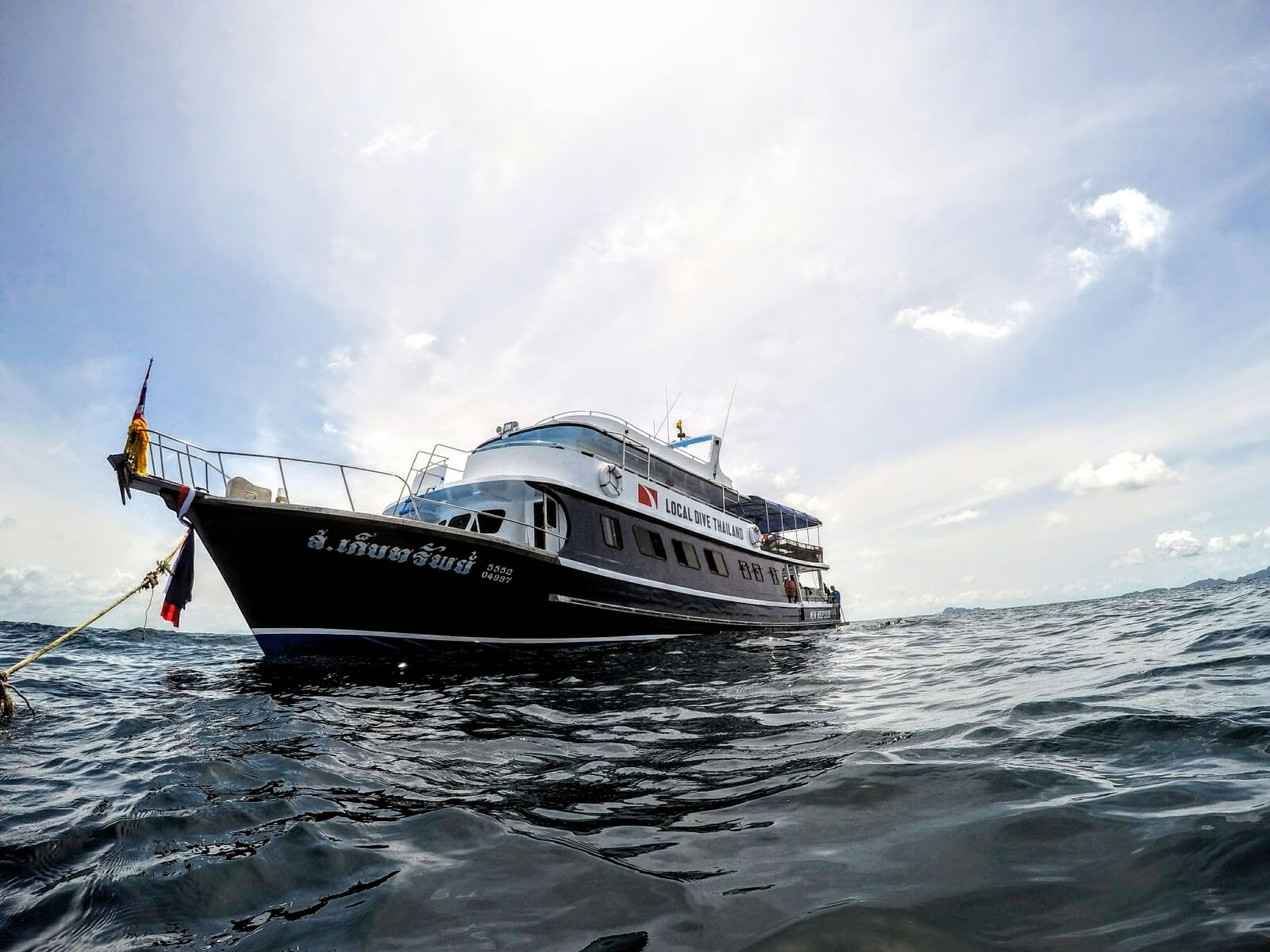
The Phi Phi Islands are approximately a three-hour boat trip east of Phuket, with most of the journey taking place in open ocean waters. Larger charter boats are typically able to reach the Phi Phi dive sites on most days throughout the year, as they are designed to handle rough sea conditions. However, during the wet season, trips to Phi Phi may be rerouted to the Racha Islands or cancelled altogether if the weather is unfavourable. For the comfort and safety of passengers, when waves reach heights of 1.5 to 2 meters, these larger boats will often change course and head to closer dive sites like Racha Noi or Racha Yai instead.
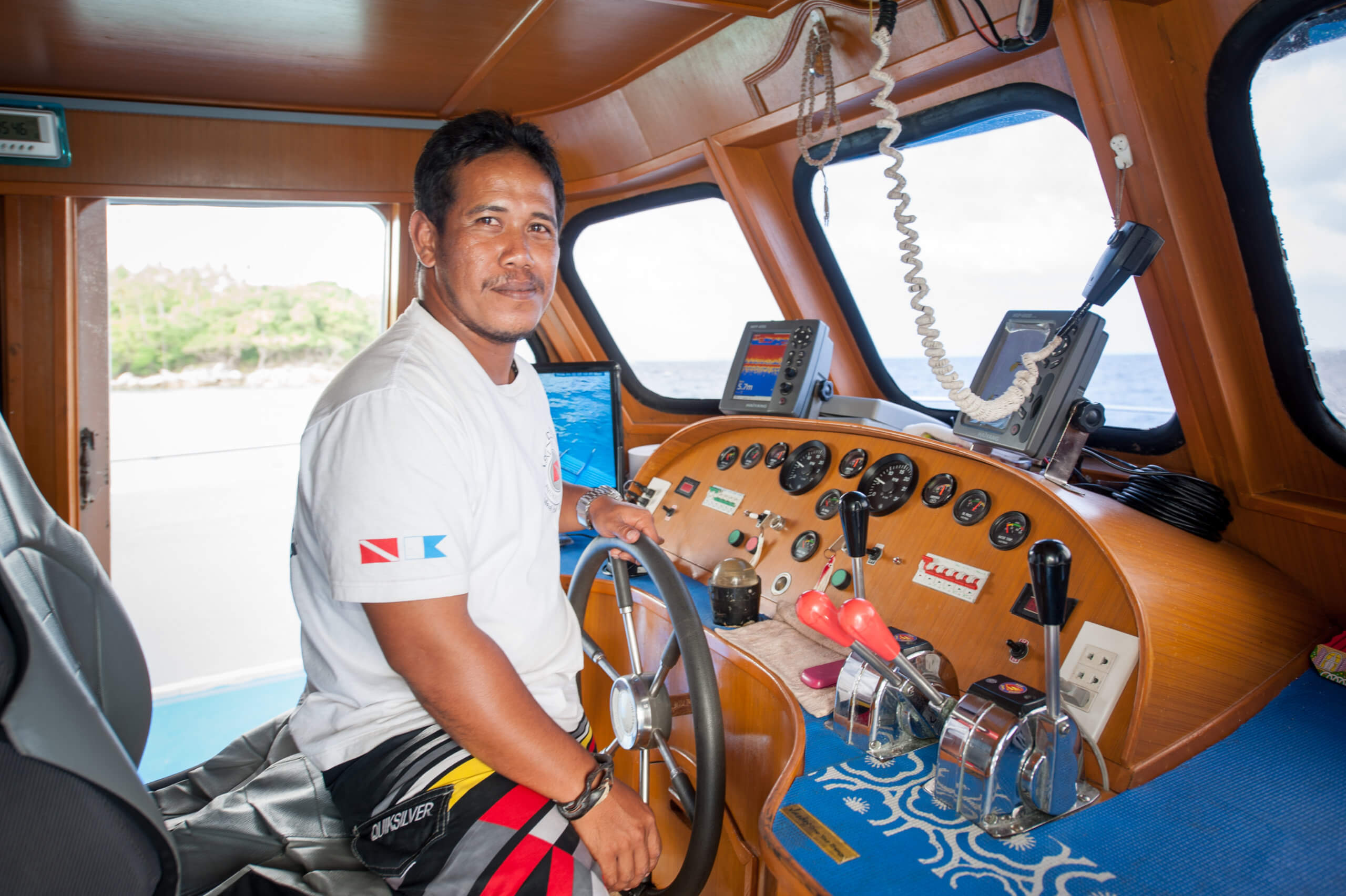
Though it is uncommon for boats to change destinations, the decision is often made by the boat captains and crew once they are beyond the Chalong harbour. This flexibility ensures that divers have a safe and enjoyable experience, even if it means exploring different dive sites than originally planned.
One challenge of diving the Phi Phi sites during the monsoon season is that the premier sites, such as Koh Bida Nok, Bida Nai, and Shark Point, offer little to no protection from the elements. These sites consist of small islands or open ocean areas, making them vulnerable to strong winds and waves. In such conditions, dive boats may opt to visit more sheltered but less renowned sites like Viking Cave and Phalay Wall to ensure diver safety and comfort.
Despite these challenges, diving in Phi Phi during the monsoon season can still be rewarding, offering a unique and adventurous experience for those willing to embrace the unpredictability of nature.
Shark Point/King Cruiser/Anemone Reef
These particular dive sites are all in the open ocean and offer no protection from wind or waves. The boats can still go here some days but the King Cruiser trip will be the first to be changed/cancelled. On the Phi Phi day trip, the boats will still try and dive Shark Point as the 3rd dive of the day. However, if there is any strong wind, waves or heavy rain then the 3rd dive of the day will be at Koh Doc Mai (Flower Island). Koh Doc Mai is a nice macro dive site with heaps of life on the walls of the island, also being a small island it offers protection from the waves.
PADI Courses
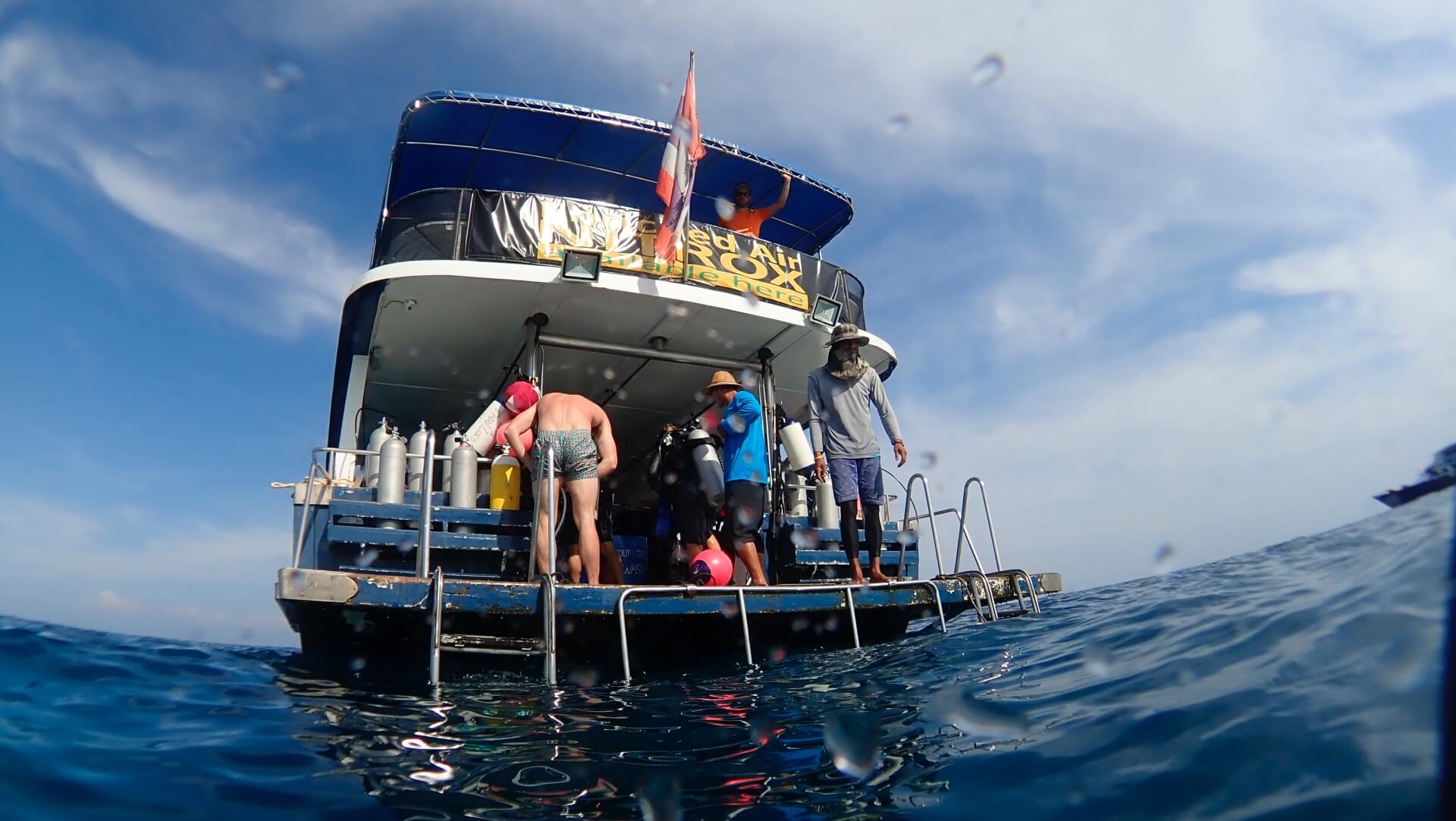
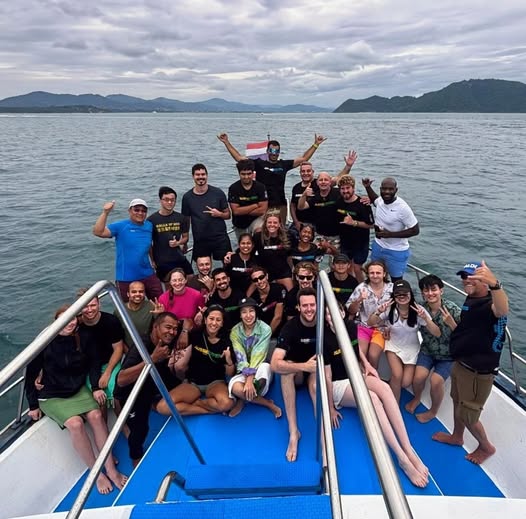
We also still conduct all of the PADI courses during the wet season. From the introduction PADI Discover Scuba Diving Experience through to Rescue diver and Pro level courses. With fewer people on the boats and less crowded dive sites, low Season is a great time to look at doing PADI courses.
The Racha Islands are a great place for education/training dives and the boats will still be heading to these dive sites most days.
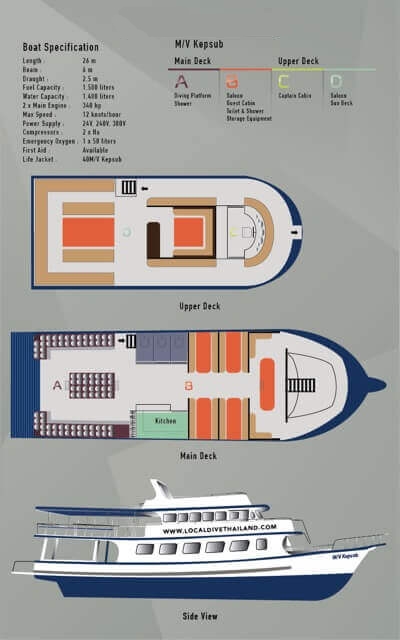
Also, some of the boats that usually operate in the Similan Islands in the high season will be doing local 3-day/2-night liveaboard trips. This is a great way to experience a short liveaboard trip and upgrade your certification to the PADI Advanced Open Water certification whilst onboard.

You May be Suprised
You may be surprised & the weather gods may be on your side, with nice beautiful sunny days, uncrowded beaches and some amazing diving. Yes, there is a slight risk with booking diving in the wet season, however, with the cheaper airfares, cheaper accommodation, etc this risk can be worth the reward.
We recommend planning a few extra days and being a little flexible with the diving days. The Aussie Diver’s staff will keep you well informed on the weather in the lead-up to your booking, and give you options.