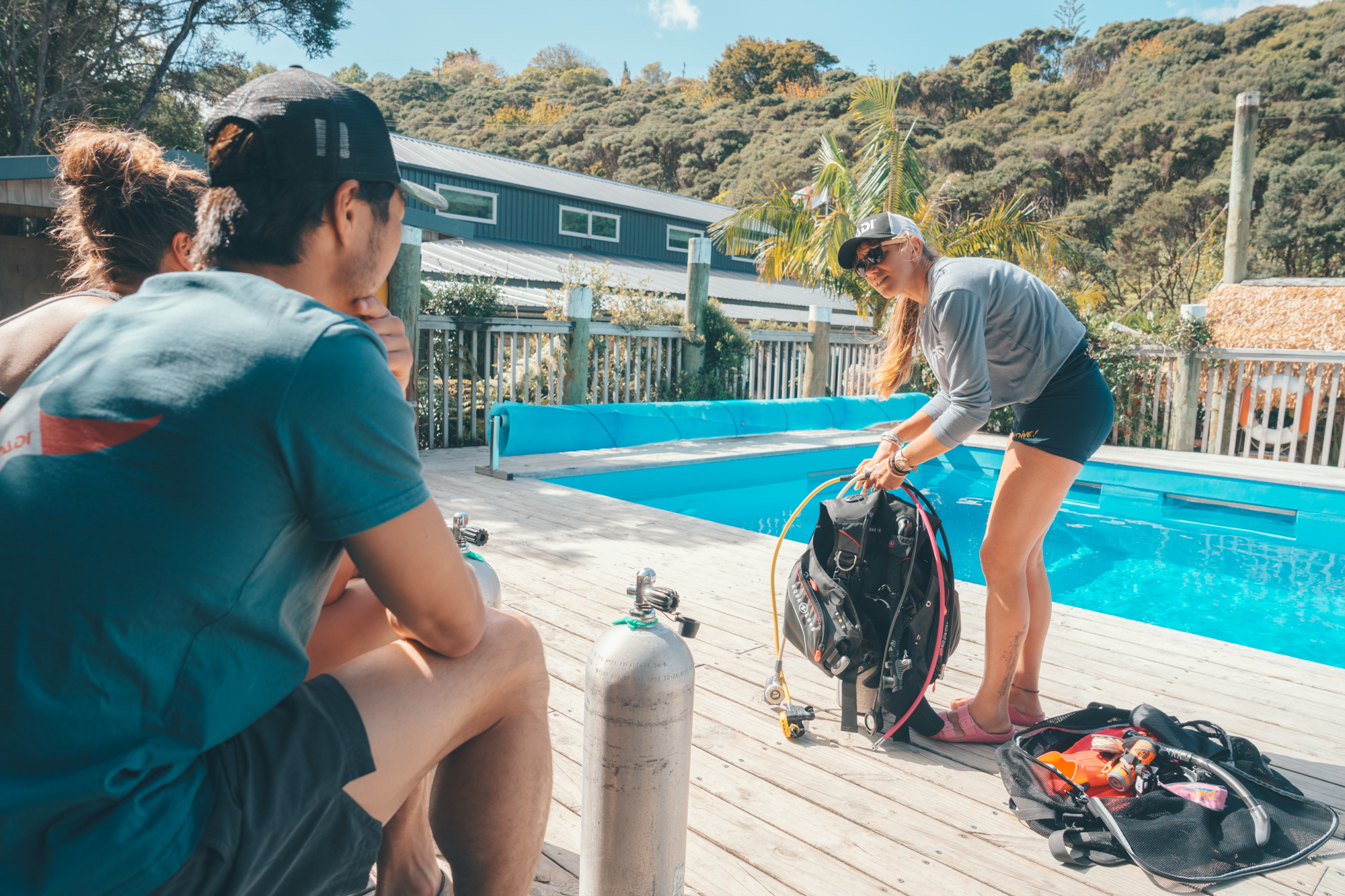

If you’re ready to take the next step from PADI Divemaster to PADI Instructor, choosing where to complete your PADI Instructor Development Course (IDC) is almost as important as choosing the IDC itself.
You’re going to spend a couple of intensive weeks studying, presenting, practising teaching skills, diving and preparing for your PADI Instructor Examination (IE). So why not do it somewhere that makes life outside the classroom pretty good as well?
That’s one of the reasons Phuket, Thailand has become such a popular destination for professional-level scuba training.
With an international airport, affordable accommodation, a huge choice of food and entertainment, year-round diving and one of Thailand’s largest diving communities, Phuket offers an excellent combination of professional training and lifestyle.
And if you’re searching for the Best PADI IDC in Phuket, there’s another factor worth considering: what happens after the IE?
At Aussie Divers Phuket, as a PADI 5 Star CDC our aim isn’t simply to help you pass an exam. We want to help develop capable, confident and employable PADI Instructors who are ready for the realities of working in the diving industry.
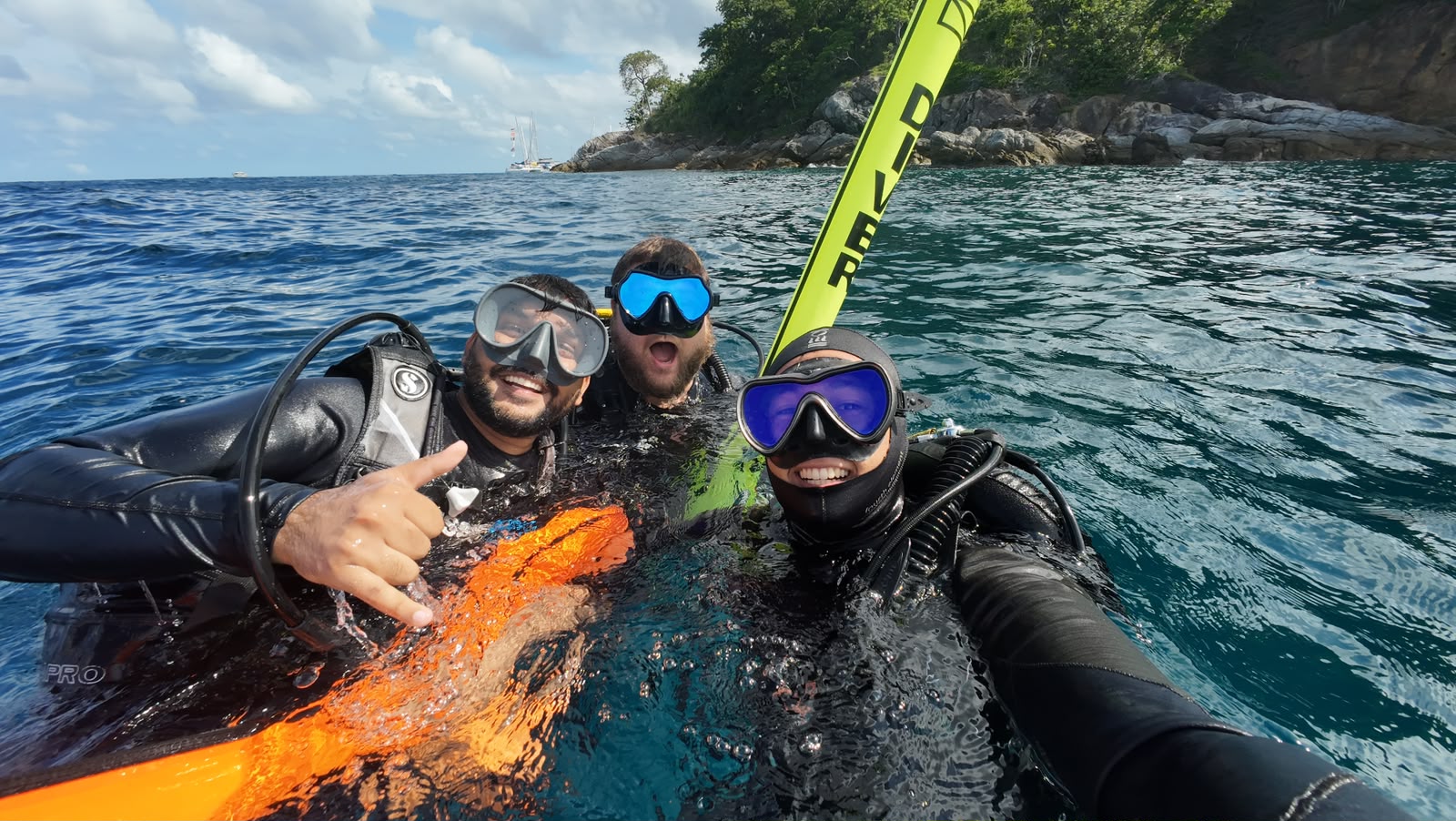
Why Do Your PADI IDC in Phuket?
There are plenty of amazing places around the world where you can become a scuba instructor.
But an IDC isn’t quite the same as going somewhere for a week’s diving holiday.
For most candidates, completing a PADI IDC means temporarily relocating for several weeks. You need somewhere to live, somewhere to eat, easy transportation, reliable facilities and somewhere you can switch off when you’re finished studying for the day.
Phuket ticks a lot of those boxes.
It is a major international tourism destination while still being home to a large, established scuba diving industry. That combination makes it particularly well suited to anyone travelling to Thailand to complete professional-level dive training.
1. Easy International Access
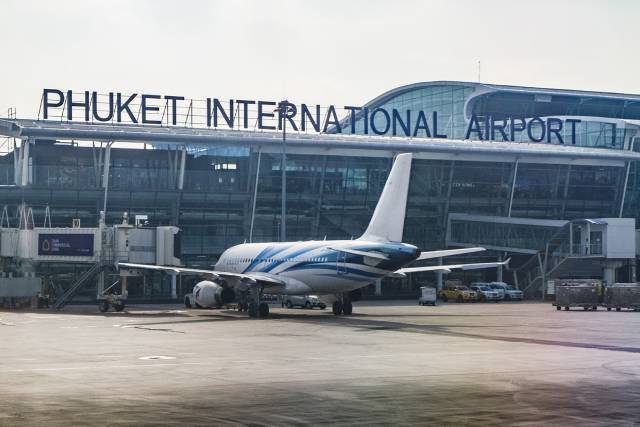
One of Phuket’s biggest advantages is simply how easy it is to get here.
Phuket International Airport (HKT) is one of Thailand’s major international gateways, with domestic and international connections making Phuket accessible from destinations throughout Asia, Australia, Europe, the Middle East and beyond.
That can make a big difference when comparing IDC destinations.
Instead of flying into a major city and then organising another flight, ferry, long bus journey or complicated transfer to a remote island, you can arrive directly in Phuket and travel by road to your accommodation.
For international IDC candidates arriving with dive equipment, luggage and everything required for several weeks in Thailand, keeping the journey simple is definitely a bonus.
It also makes arriving a few days before your IDC — something we generally recommend — much easier.
Give yourself time to unpack, settle into Phuket, sort out anything you need locally and get yourself into IDC mode before training begins.
2. Affordable Long-Term Accommodation
Accommodation can become a significant part of the cost of completing an IDC overseas.
Fortunately, Phuket isn’t limited to holiday resorts and beachfront hotels.
Around areas such as Chalong, Rawai and southern Phuket, there is a large selection of local apartments, guesthouses, studios and monthly rentals catering to people staying on the island for longer periods.
This is particularly useful for IDC candidates.
Rather than paying nightly hotel rates throughout your IDC and IE, you can often arrange a simple studio or apartment on a weekly or monthly basis.
It also means you can have something that feels a little more like home.
A fridge, somewhere to prepare breakfast, space for your dive equipment and somewhere quiet to study become surprisingly valuable once the IDC gets underway.
Our team can also give incoming candidates some local guidance on areas that are convenient for their training rather than simply choosing accommodation based on where tourists normally stay.
3. Everything You Need Is Close By
One of the underrated advantages of doing your PADI IDC in Phuket is convenience.
Phuket has all the infrastructure of a major tourism destination.
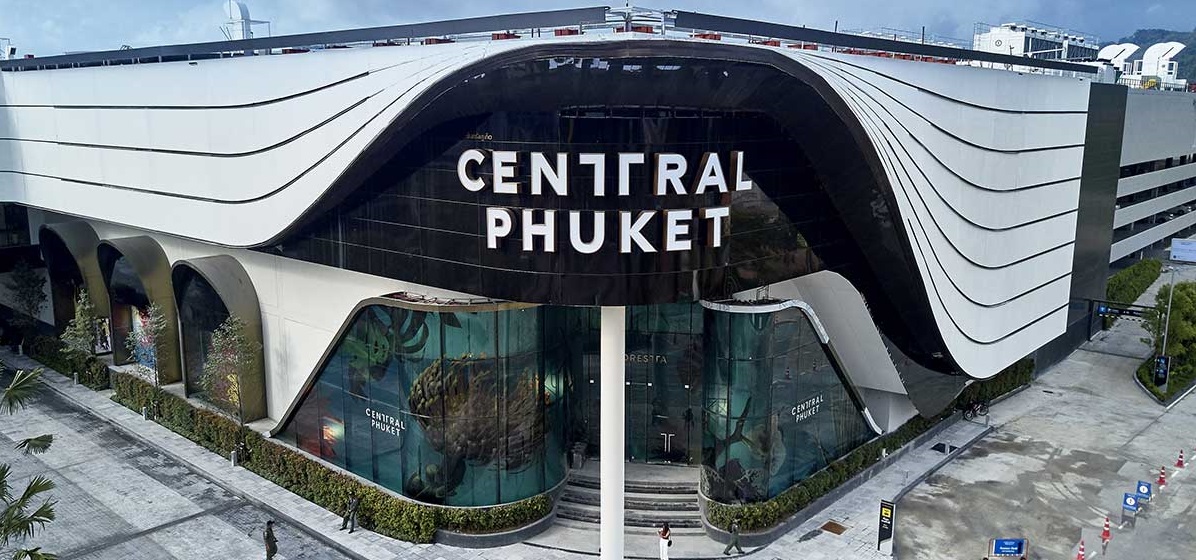
There are supermarkets, pharmacies, hospitals, gyms, cafés, shopping centres, cinemas, banks, mobile phone stores, laundries, equipment suppliers and just about everything else you might need during a longer stay.
That might not sound particularly exciting when you’re researching where to become a scuba instructor.
Until your mask strap breaks, you need something printed, you’ve run out of clean clothes and suddenly realise you haven’t eaten anything since breakfast.
Then convenience becomes rather important.
The PADI IDC can be intensive. Having everything you need relatively close by means you can concentrate on your training instead of spending your spare time dealing with logistics.
4. Plenty to Do When You’re Not Diving
Your PADI IDC is important.
But we don’t expect you to spend every waking hour staring at the PADI Instructor Manual.
Having some downtime is important too.
Phuket gives you plenty of ways to switch off between training days.
There are shopping centres and cinemas, cafés, gyms, markets and countless local attractions. You can visit Phuket Old Town, explore viewpoints, head to one of the island’s beaches or simply find somewhere quiet for a coffee.
And if you’ve arrived in Thailand with a little extra time before or after your IDC, there is considerably more to explore.
Temples, islands, beaches, kayaking, Thai cooking classes, Muay Thai, night markets and day trips are all easily accessible.
You can make your trip about becoming a PADI Instructor without making every minute of the trip about diving.
Your dive theory books will survive an afternoon at the beach.
Probably.
5. Phuket’s Beaches Aren’t Bad Either
There are certainly worse places to study dive theory.
Phuket is famous for its beaches, and having them nearby gives you somewhere to properly unwind when you have a free afternoon.
Kata, Karon, Nai Harn, Ya Nui, Rawai and numerous smaller beaches and bays are all within relatively easy reach of the Chalong area.
Sometimes after a full day of presentations, workshops and skills practice, the best revision strategy is knowing when to put the books away for a couple of hours.
Grab some food, watch the sunset and come back tomorrow with a fresh brain.
IDC candidates are still allowed to enjoy Thailand.

6. Thai Food… and Just About Everything Else
One of the great advantages of spending several weeks in Phuket is the food.
If you love Thai food, you’ll be spoilt for choice.
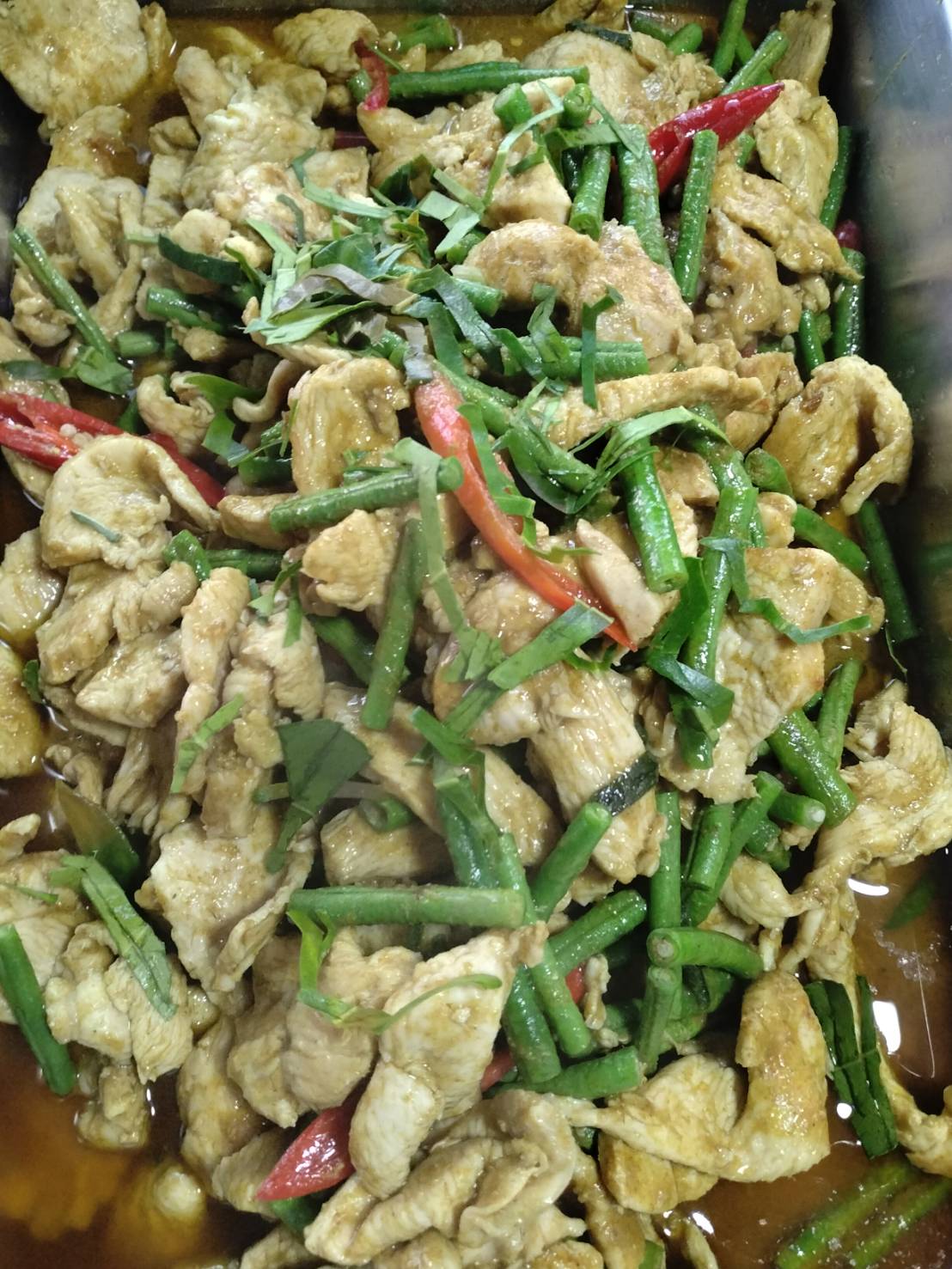
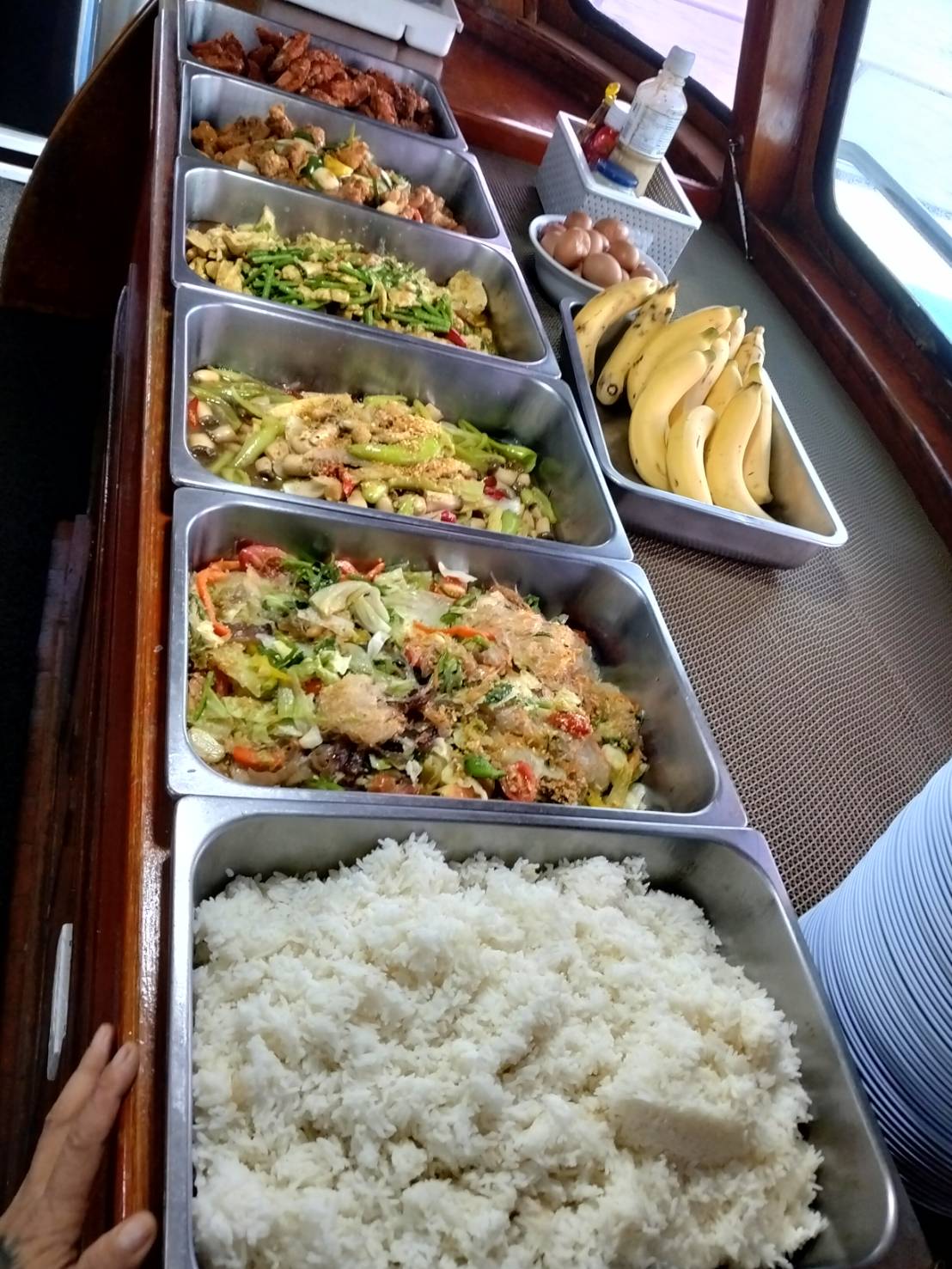
Local restaurants and markets offer everything from curries, noodles and stir-fries to seafood and southern Thai specialities, often at very reasonable prices.
But living somewhere for several weeks is different from being there on holiday.
Eventually you might want something other than Thai food.
Fortunately, Phuket’s international population means you’ll find restaurants covering cuisines from around the world. Italian, Indian, Japanese, Korean, Chinese, Mexican, Middle Eastern, Australian and European food is readily available across the island.
Whether you want a quick 70-baht local meal after training or decide you’ve earned a proper dinner after finally getting your physics calculations right, you won’t struggle to find somewhere.
7. Train in a Real, Active Dive Centre
This is where choosing your IDC provider becomes particularly important.
Aussie Divers Phuket isn’t a training facility that suddenly becomes busy when an IDC starts.
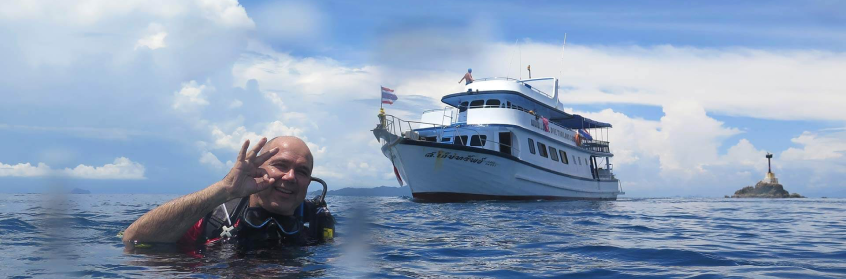
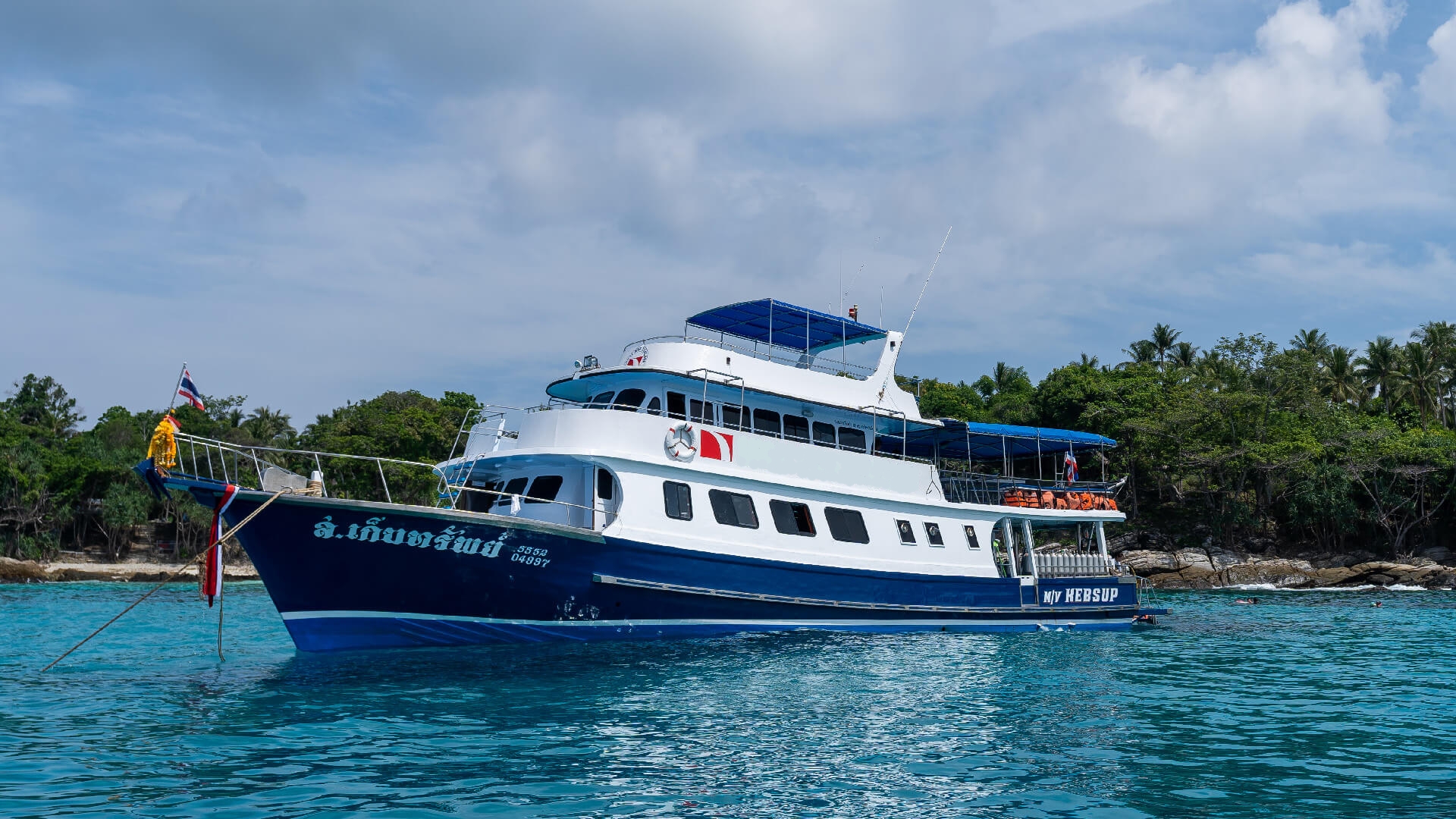
We are an active PADI 5 Star Career Development Centre operating dive trips, courses and professional-level training throughout the year.
Our instructor team is out working with real divers and students on a regular basis.
For an IDC candidate, that environment matters.
Becoming a good instructor involves considerably more than learning how to score well on an evaluation.
Real-world instructors need to manage different personalities, different abilities, different languages and occasionally very different expectations.
They need to organise equipment, brief divers clearly, work with boat crews and other instructors, manage time, solve problems and make good decisions while maintaining professional standards and keeping their students safe.
Your IDC teaches you how to become a PADI Instructor.
Being surrounded by working instructors gives you an opportunity to see how those principles are applied in the real world.
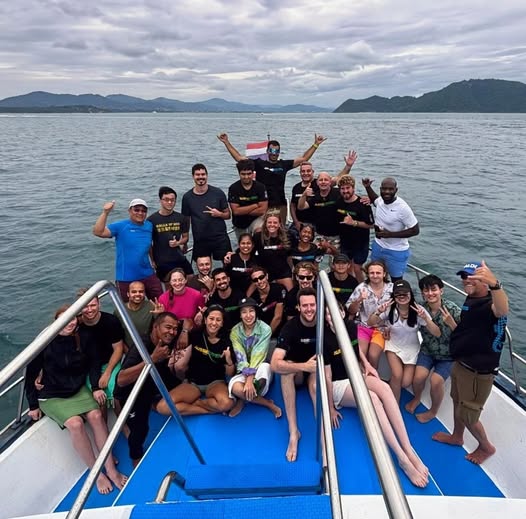
8. Learn From an Experienced Instructor Team
A PADI IDC is conducted by a PADI Course Director, but the wider team involved in your development can also make a considerable difference to the experience.
PADI itself recommends considering not only your Course Director but also the teaching staff and whether experienced IDC Staff Instructors are involved when choosing an Instructor Development Course.
At Aussie Divers Phuket, our professional instructor team can assist throughout our IDC programs, bringing different teaching styles, backgrounds and real-world experiences into the training environment.
That’s useful because there isn’t one personality type that makes a great dive instructor.
Some instructors are naturally confident presenters. Others are fantastic in the water. Some are brilliant with nervous students. Some have excellent technical knowledge. Others are particularly good at making complicated information easy to understand.
During your IDC, you’ll start developing your own teaching style.
Our job isn’t to turn every candidate into the same instructor.
It’s to help you become a professional, safe and confident version of yourself.
9. Phuket Has a Large, Established Diving Industry
If you’re planning to work as a scuba instructor after your IE, doing your IDC somewhere with an established diving industry has obvious benefits.
Phuket has been one of Thailand’s major scuba diving destinations for decades.
The island supports dive centres, day boats, liveaboards, equipment retailers, technicians, instructors, divemasters, underwater photographers and professionals working throughout almost every part of the recreational diving industry.
During your time here, you’re not isolated from the industry you’re hoping to join.
You’re right in the middle of it.
That gives you opportunities to meet other dive professionals, understand how larger dive operations work and start building professional contacts.
Even if you ultimately plan to work somewhere completely different after becoming an instructor, those connections and experiences can be valuable.
10. Year-Round Diving and a Variety of Dive Sites
Another advantage of Phuket is that diving doesn’t simply stop for half the year.
Local dive operations run throughout the year, with different sites becoming preferable depending on seasonal weather and sea conditions.
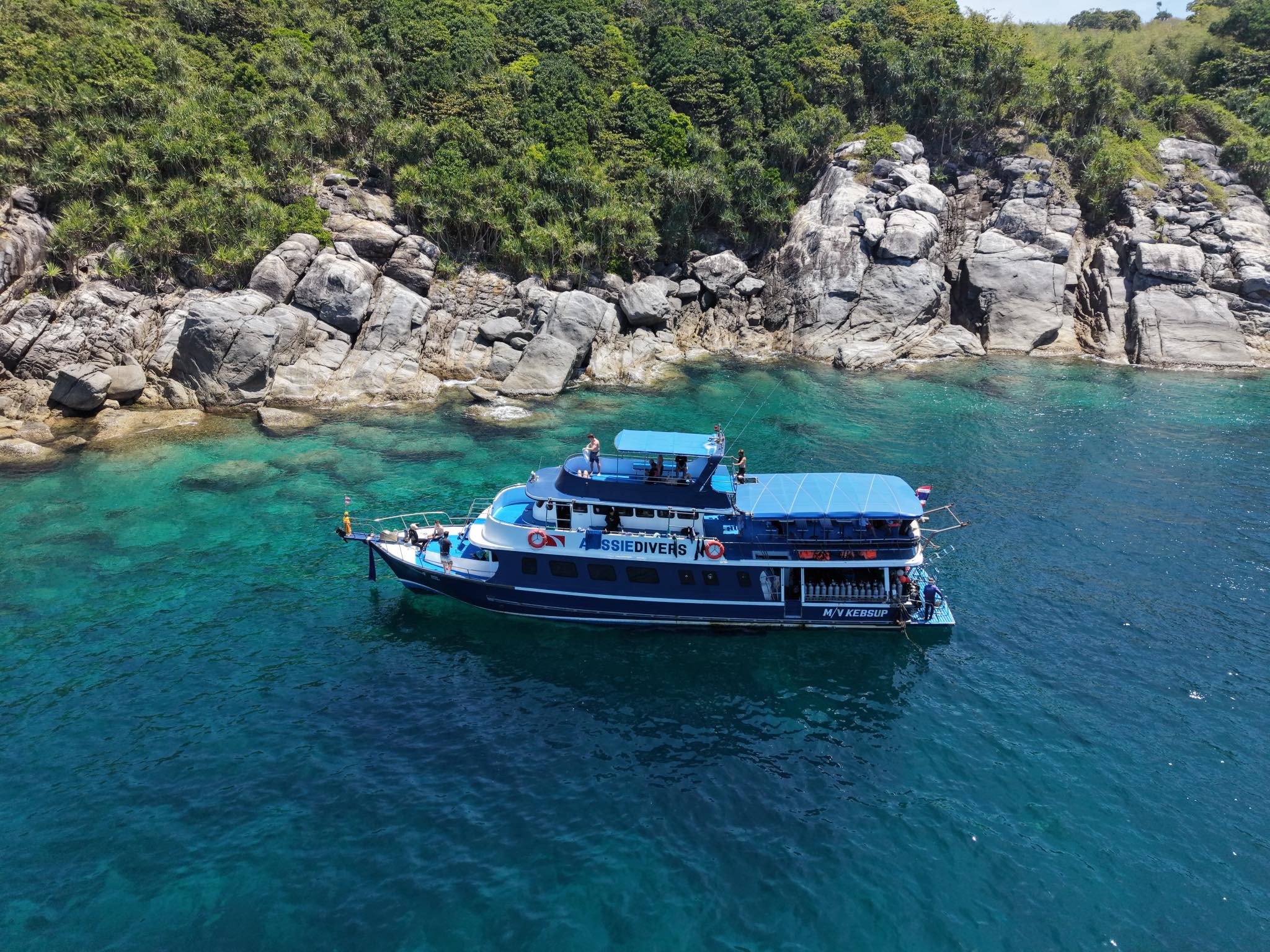
The Racha Islands provide excellent training and recreational diving, while sites around Phi Phi, Shark Point, Anemone Reef, Koh Doc Mai and the King Cruiser wreck provide a wide range of diving environments.
During the Similan Islands season, Phuket is also one of the major gateways for trips north to the Similan and Surin regions.
For a developing instructor, exposure to an active and varied diving environment is valuable.
You’re entering an industry where conditions, customers and dive sites are rarely identical from one day to the next.
11. Your IDC Should Prepare You for More Than the IE
Of course, passing your PADI Instructor Examination is important.
The IE provides an independent evaluation of your ability to demonstrate the knowledge and teaching skills required of a new PADI Instructor. PADI uses its own Instructor Examiners for this process, helping provide consistency in instructor evaluations worldwide.
But we don’t believe the IE should be the finish line.
It’s the starting line.
Once you’ve passed, suddenly you’re the instructor.
A real student is looking at you and expecting you to know what happens next.
That’s why our approach to instructor development is about more than memorising evaluation criteria.
We want candidates thinking like instructors.
Why are you teaching something this way?
What could go wrong?
How could you prevent that problem?
How do you recognise when a student isn’t comfortable?
How do you adapt your communication?
How do you manage a group without making them feel managed?
Those are the skills that begin turning a newly certified instructor into a good one.
12. Support After Your PADI IDC and Instructor Examination
This is one of the biggest things we encourage candidates to consider when comparing IDC programs.
What happens after you pass?
Some candidates already have jobs arranged before beginning their IDC.
Others have absolutely no idea where they’re going next.
Both are completely normal.
At Aussie Divers Phuket, our relationship with candidates doesn’t need to finish when the IE does.
We can provide advice on continuing education, Specialty Instructor ratings, Master Scuba Diver Trainer development and building experience as a new instructor.
More importantly, we’re happy to remain a point of contact as you begin your professional diving career.
Your first few months as an instructor will probably generate questions you never thought to ask during the IDC.
Having experienced instructors and mentors you can contact can be incredibly useful.
Looking for the Best PADI IDC in Phuket?
There’s no single IDC that’s automatically the best choice for every candidate.
And we’d be suspicious of anyone who told you otherwise.
Your learning style, goals, previous experience, budget and plans after becoming an instructor should all influence your decision.
If you’re comparing programs and looking for the Best PADI IDC in Phuket, ask more than simply:
“How much does the IDC cost?”
Ask:
- Who will actually be teaching me?
- How much preparation is included?
- Who assists the Course Director?
- Is the dive centre actively operating outside the IDC?
- What facilities will I use?
- What happens if I need extra help with dive theory or skills?
- Can they help me prepare before I arrive?
- What support is available after the IE?
- Can I continue with Specialty Instructor training?
- Will I still be able to contact the team six months later when I have a question?
The answers will tell you considerably more than the price alone.
Choose Phuket. Then Choose the Right IDC Team.
Phuket gives you an excellent location.
It’s easy to reach, relatively affordable for a longer stay, packed with restaurants and activities, surrounded by beaches and supported by one of Thailand’s largest recreational diving industries.
But the location is only half of the decision.
The people training you matter.
At Aussie Divers Phuket, we’re proud to be a PADI 5 Star Career Development Centre and to run regular PADI Instructor Development Courses here in Phuket.
Our focus is straightforward:
Prepare you for the IE, but train you for what comes after it.
Because passing your Instructor Examination gets you the card.
Becoming a great instructor takes a little longer.
Ready to Start Your PADI IDC in Phuket?
If you’re considering becoming a PADI Instructor and would like to know more about our upcoming PADI IDC Phuket programs, speak with the Aussie Divers Phuket team.
We can help you check your prerequisites, explain the IDC and IE process, discuss accommodation and preparing for your stay in Phuket, and work out the best pathway based on where you currently are in your diving career.
Whether you’re already a PADI Divemaster or you’re still working your way towards the professional levels, you’re welcome to get in touch and start planning the next step.