
Tips On Buying a Scuba Regulator
When you’re looking at buying your first dive regulator there are a couple of tips to consider. How deep will you be diving, cold water vs warm water, brand & serviceability?
It is likely that after learning to dive & your first few dives, you will now likely be addicted to scuba diving and looking at every possibility to go diving now that you are certified. If you plan on spending a lot of time underwater then you should look at investing in some equipment, including purchasing your first dive regulator. But what factors should you be considering when looking at buying a regulator?
Brand & Serviceability
One of the first questions you should be asking is how easily can you get the regulator serviced. Especially if you are looking at dive travel around the world. Will parts be available in remote areas if you need an o-ring etc? Some of the cheaper & unknown brands may not have knowledgeable service technicians in all areas.
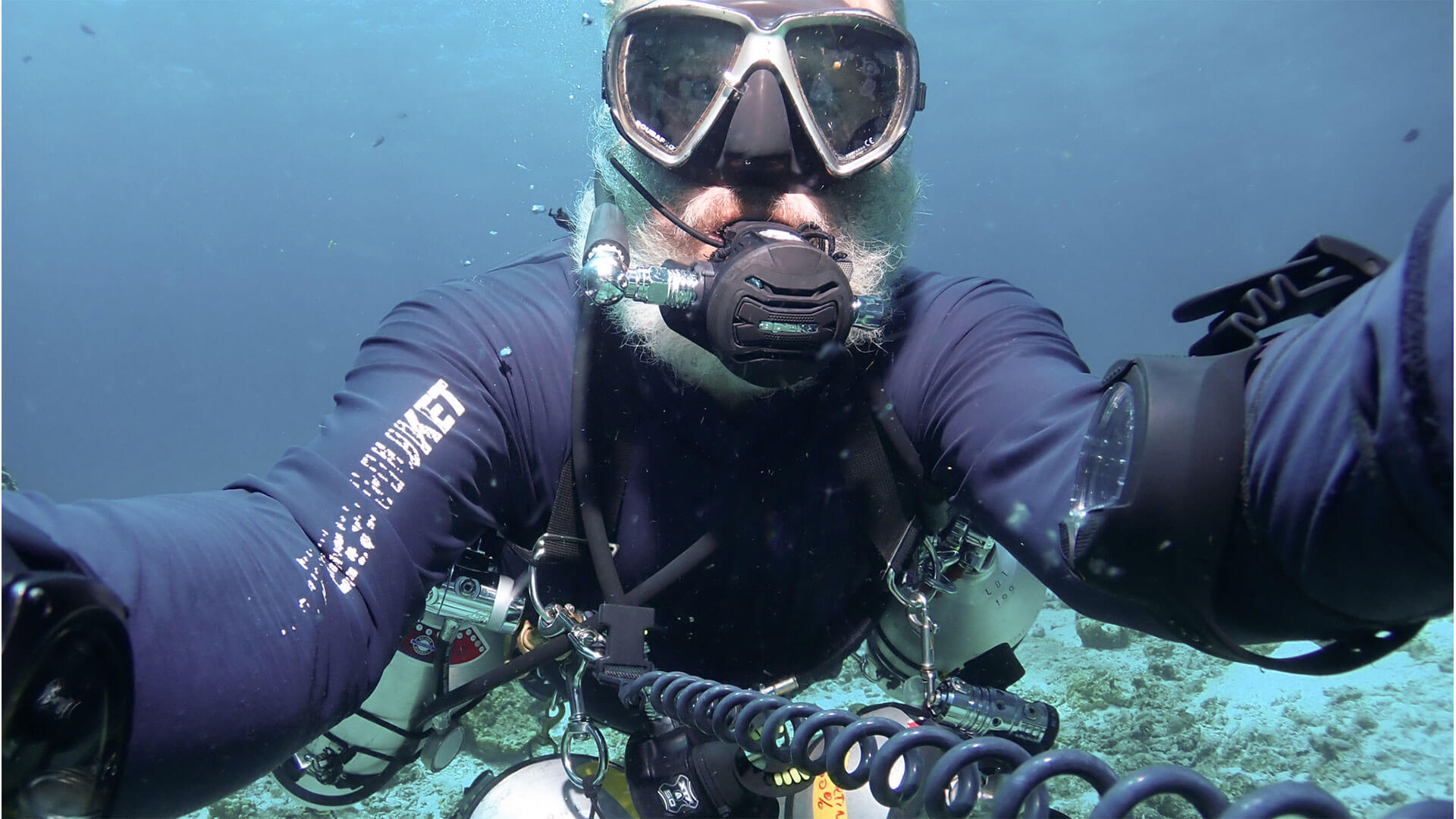
If you choose the major regulator brands, like Scubapro, Mares, Apek or Aqualung it is fairly certain that these brands will have service technicians available around the world. Knowing that you can get a hose or o-ring replaced whilst on that 10-day dive holiday is reassuring.
Also, the top brands are well-known and popular for a reason. They tend to have the latest technology and features and are the leaders in design. The major companies spend a lot of time and money in research, development, and testing. So you know you have a well-tested and trialled product once they finally get to launch.
How Deep Will You Be Diving
The rental regulator you had on your Open Water course would have most likely been an ‘unbalanced’ regulator. As these are some of the cheapest & easiest to service regulators, with far fewer moving parts.
With an ‘unbalanced’ regulator however the ‘ease of breathing’ gets harder as you go deeper and as the tank pressure drops. This is generally not a problem on the Open Water course with a max depth of 18m/50ft. However, once you start doing deeper dives to 30m on the Advanced course this may become noticeable.
Spending a little more and getting a regulator that is ‘balanced’ will be noticeable if you plan on doing deeper dives. A ‘balanced’ regulator will also be better performing in the unlikely case you need to share your air with a buddy.
Cold Water Diving
So you just finished your PADI Open Water course in the nice warm tropical waters of Phuket, Thailand. Now you are planning on diving in the chilly waters around Melbourne, Australia, a cold water-rated regulator may be a consideration.
Coldwater diving is not for me, but having cold water or cold air around a regulator can cause ‘free-flowing’ of the regulator. This is more likely in icy cold waters where there can be a risk of icing the first stage.
If you plan on doing any cold-water diving at all then you should look at investing in an environmentally sealed first stage. Having the first stage environmentally sealed minimises free flows in cold water. They generally also breathe better even in warmer weather & are usually the top-of-the-line regulators.

Cylinder Connection
In most of the world & in tropical locations you will find the yoke tanks being used. The yoke fitting simply slides over the top of the tank valve, easier to set up and easier for students to use. In colder climates or areas where Tec diving is popular, they may use DIN tanks, which is a more secure fitting as the DIN regulator threads into the take valve.
This should be something you consider when purchasing a regulator. However, most modern tanks now have an international DIN/Yoke valve that has a small adapter to convert between DIN & Yoke in the tank.
If you purchase a DIN regulator and are travelling in tropical areas like Phuket it is a good idea to also have a DIN to Yoke Adaptor in your kit bag just in case.
Final Considerations
Finally, the last thing to think about is hose lengths, would you like a longer hose on your primary or not? Keeping in mind that you want your equipment to be well streamlined, optimal hose lengths can be discussed at your dive centre. Most hoses will now be the flex or mi-flex style hoses however if you are planning cold water dives you may want to consider rubber hoses.
SPG or just an air transmitter for integrated dive computers should be another consideration. The transmitters are more streamlined & are far more reliable these days, however, do you need a small backup SPG?
The final consideration should be on what path your diving is heading in. Are you going to stay on the recreational path, or maybe head onto the professional levels? Alternatively, there is also the TEC diving pathway with cave or deep diving. You will want to make sure your regulator is going to be compatible with the direction you are heading.
Ultimately when choosing a regulator, you can read many endless reviews & videos etc online. The best thing though is to chat to your local dive shop, instructors or dive club members. Ask questions & decide what’s best for you & your diving style when investing in your first dive regulator.